
Tools
Struggling to protect delicate plants in your raised garden beds? These 10 shade solutions help control sunlight exposure without sacrificing aesthetics or plant health, ensuring your greens, herbs, and flowers thrive year-round.
Adjustable Lattice Shade Panels
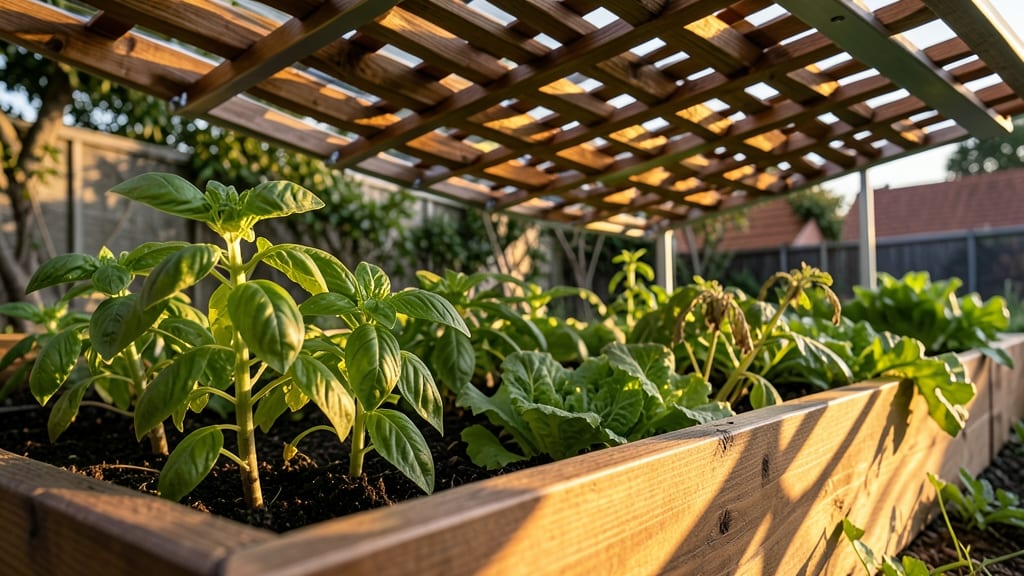
Tired of watching your basil and lettuce wilt under the midday sun? Adjustable lattice shade panels offer a game-changing solution by letting you fine-tune shade levels without blocking airflow—critical for heat-sensitive plants in hot climates.
Made from durable materials like cedar or aluminum, these panels tilt at 15-45 degrees to diffuse sunlight while allowing gentle breezes to circulate. For basil, aim for 30-40% shade during peak hours (11 AM–3 PM), while leafy greens like lettuce thrive with 50% shade. The panels attach easily to raised bed frames or stakes, making them ideal for urban gardens or small spaces.
Perfect for gardeners who want low-maintenance shade without sacrificing aesthetics—just tilt them higher in cooler months or lower during summer. Your heat-loving herbs will thank you! 🌿
Floating Row Cover Fabric
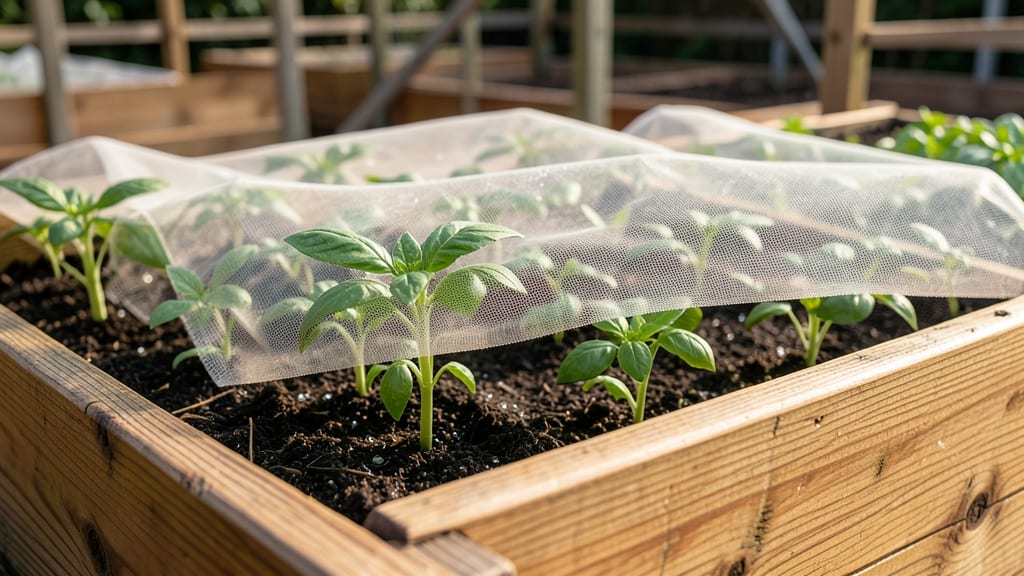
When your seedlings are stretching toward the sun like sun-starved teenagers, floating row cover fabric is the gentle hand they need to ease into full light. This ultra-lightweight fabric blocks 30-50% of sunlight while allowing air and water to pass through—ideal for hardening off tender greens, herbs, or flowers before transplanting.
Made from polypropylene mesh, it’s easy to drape over raised beds without weighing down plants, and its breathability prevents overheating. Use it to protect leafy greens, brassicas, and young tomatoes from afternoon sunburn while still letting them soak up enough light to grow strong. Simply secure with clips or bricks, and remove when plants are ready for full sun.
Perfect for beginners or anyone with delicate seedlings, this fabric is a budget-friendly way to extend your growing season without the hassle of permanent shade structures. 🌱
DIY Shade Sail Canopy
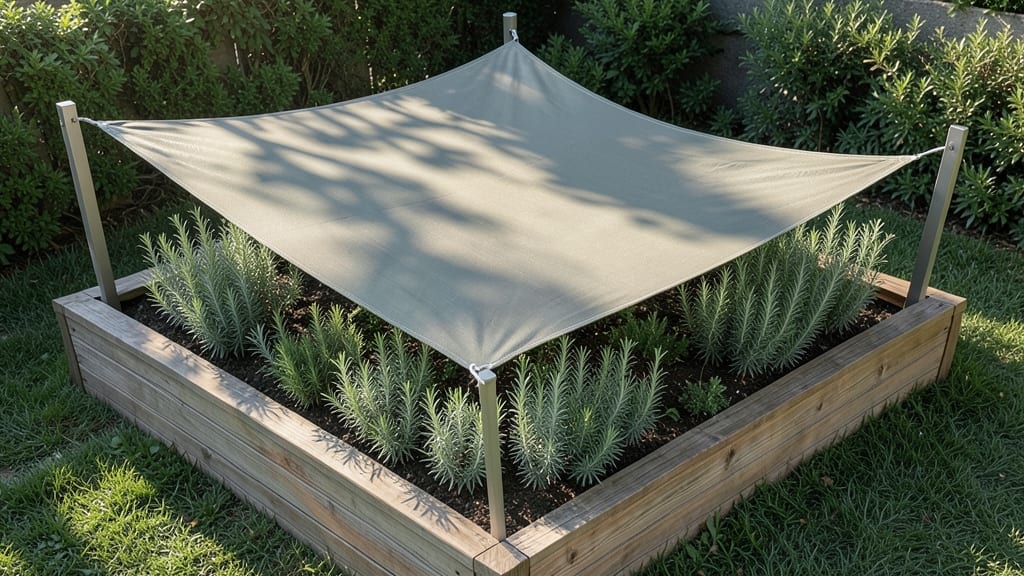
Transform your raised bed into a stylish sanctuary with a DIY shade sail canopy—the perfect blend of function and form. These UV-resistant sails filter harsh sunlight while casting elegant patterns that elevate your garden’s aesthetic, making them ideal for Mediterranean herbs like rosemary and tropical plants such as coleus.
Choose from pre-made kits or craft your own using marine-grade polyester fabric and sturdy aluminum poles for durability. Position the sail to block midday sun (10 AM–4 PM) while allowing morning light for photosynthesis. For extra flair, opt for geometric or striped patterns that double as decor while protecting your plants from overheating.
Urban gardeners and small-space growers will love how shade sails maximize vertical space without sacrificing sunlight control. Plus, they’re easy to store when not in use, making them a flexible solution for seasonal shade needs. 🌻
Bamboo Shade Trellis
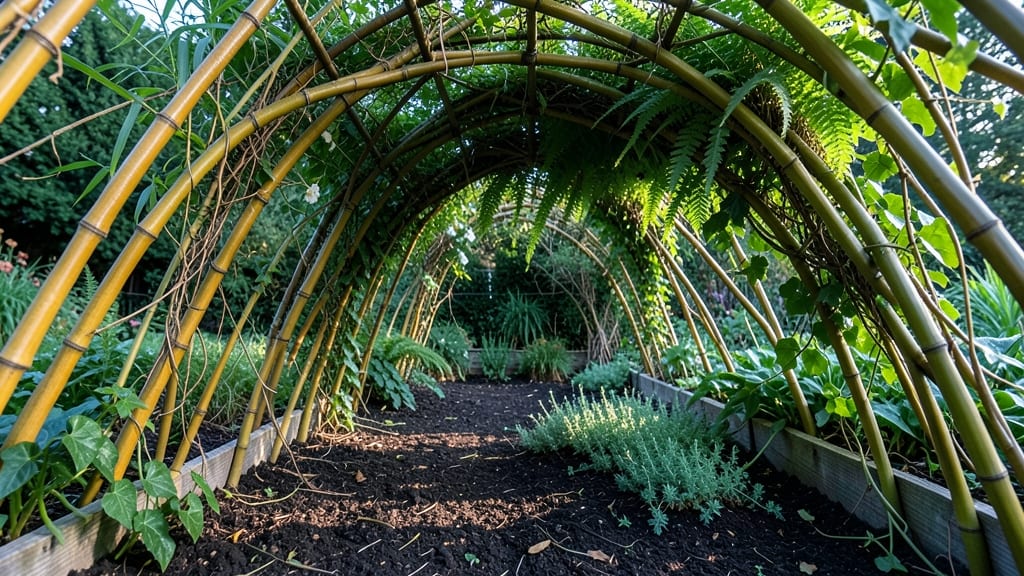
Skip the rigid metal frames—your bamboo shade trellis grows right along with your plants, creating dynamic shade that evolves as vines climb. Unlike fixed structures, this living trellis adjusts naturally, offering perfect dappled shade for ferns, impatiens, and other shade-lovers while adding organic texture to your garden.
Start by planting bamboo stakes** (like Phyllostachys varieties) around your raised bed, weaving them into a loose lattice as they grow. Train fast-climbing vines like clematis or morning glories to intertwine, which will gradually filter sunlight as they thicken. The best part? This system becomes more effective each season, requiring only minimal pruning to maintain balance.
Perfect for gardeners who love low-maintenance, eco-friendly** solutions, this trellis thrives in partial shade itself—ideal for woodland gardens or north-facing raised beds. Watch your delicate plants flourish under their natural canopy. 🌿
Retractable Awning Shade
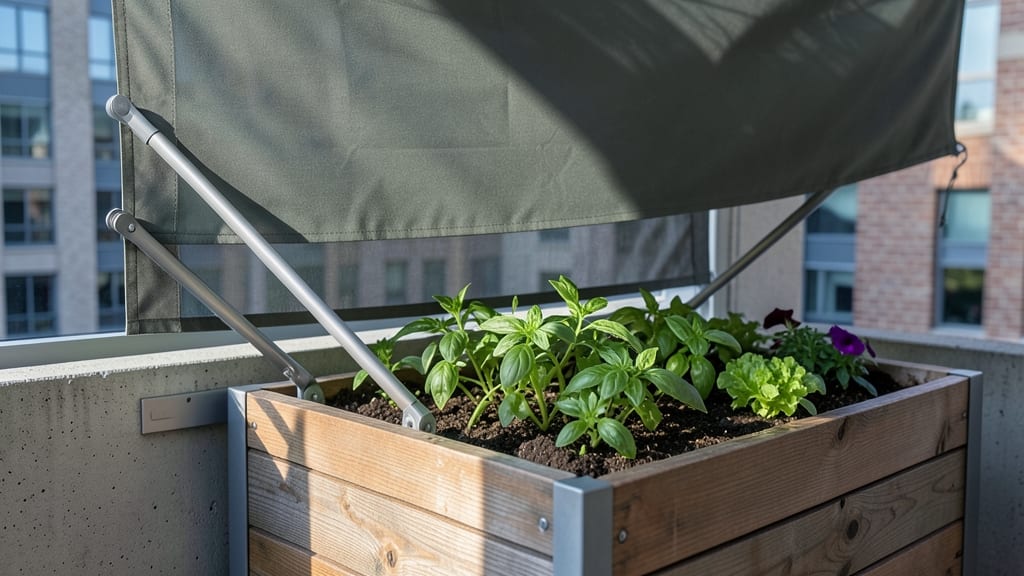
When your raised bed is tucked into a tight urban space or balcony, retractable awnings offer a sleek, space-saving way to shield heat-sensitive plants from afternoon sun without sacrificing growing area. Unlike permanent structures, these awnings extend only when needed—perfect for container gardens or small beds where every inch counts.
Look for motorized models with remote controls for effortless adjustments, or opt for manual versions if you prefer simplicity. Position the awning to block the hottest afternoon rays (typically 12–4 PM) while allowing morning sunlight to reach your plants. They work especially well for leafy greens like lettuce or herbs such as basil, which bolt in intense heat. For extra durability, choose awnings with UV-resistant fabric to prevent fading over time.
This solution is ideal for renters, small-space gardeners, or anyone who wants flexible shade control without permanent installations. Just extend it during peak sun hours and retract it when cooler weather arrives. 🌻
Living Shade with Tall Plants
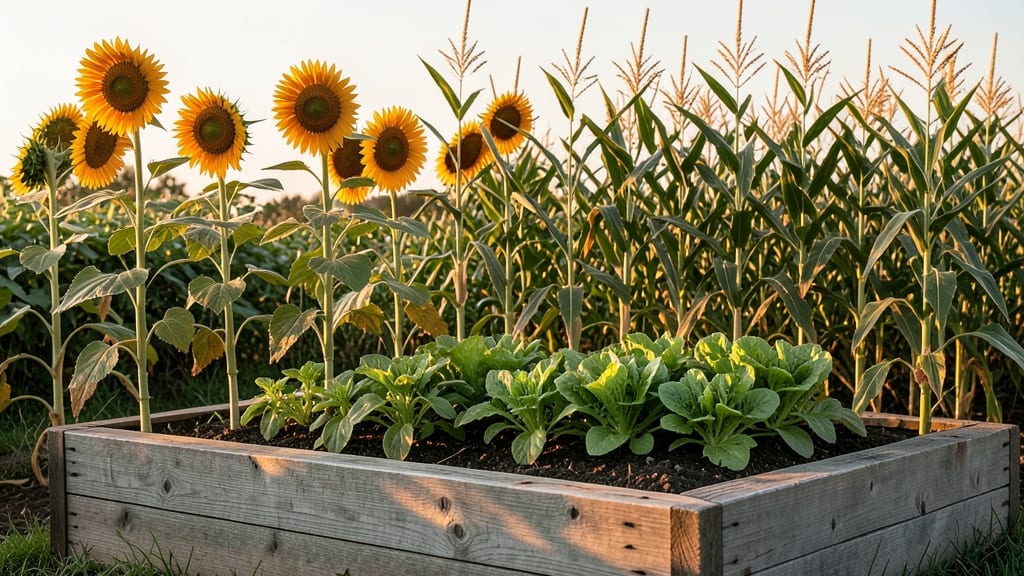
Want to create shade without extra hardware? Let your plants do the work! By planting sunflowers or corn around the perimeter of your raised bed, you create a dynamic, living shade canopy that grows with your garden.
These towering plants naturally filter sunlight during peak afternoon hours when heat is most intense, protecting heat-sensitive crops like leafy greens or radishes below. The best part? You get a bonus harvest—sunflowers provide seeds, while corn offers fresh ears. Just ensure your shade plants are spaced properly to avoid overcrowding your delicate crops.
This low-maintenance strategy is perfect for permaculture enthusiasts or those who prefer organic solutions over synthetic shade structures. Plus, it adds vertical interest to your garden while keeping everything thriving. 🌻
Shade Paint for Garden Beds
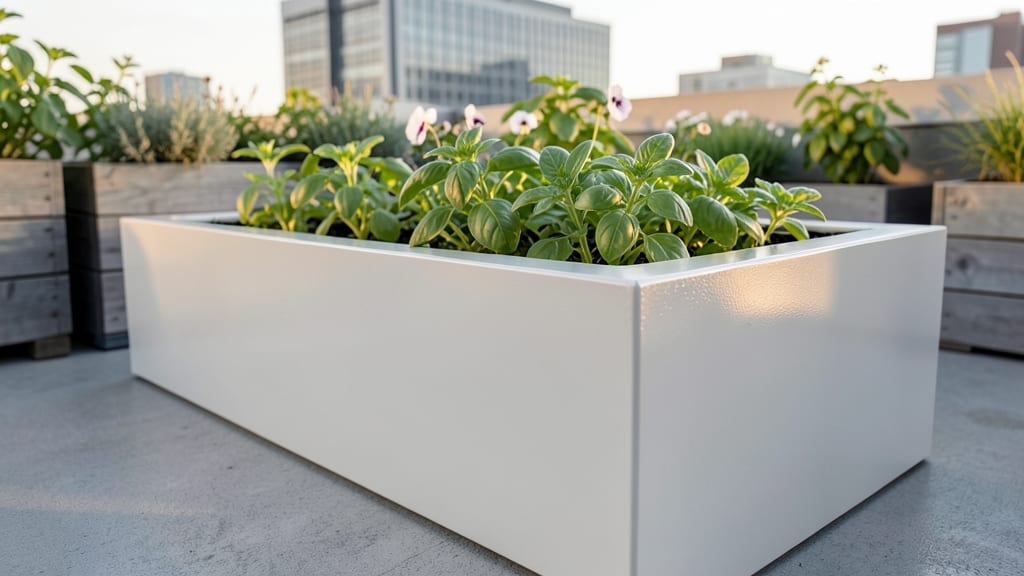
Urban gardeners with limited space can finally get creative with a low-cost, high-impact trick: painting your raised bed edges with reflective white or light-colored paint. This simple hack bounces excess sunlight away from delicate plants while adding a sleek, modern touch to your garden.
Use non-toxic, exterior-grade paint (like chalk or acrylic) on the outer edges or sides of your bed to maximize reflection. This works especially well for heat-sensitive herbs like cilantro, chives, or parsley, which bolt quickly in direct sun. For extra effectiveness, pair it with light-colored mulch (like gravel or sand) to amplify the cooling effect. The best part? It’s reusable for years—just refresh the paint as needed.
This solution is perfect for small-space gardeners or those renting properties, as it requires no additional structures or materials beyond a brush and paint. Plus, it’s a zero-maintenance way to keep your plants thriving without sacrificing style. 💡
Movable Shade Cloth Hoops
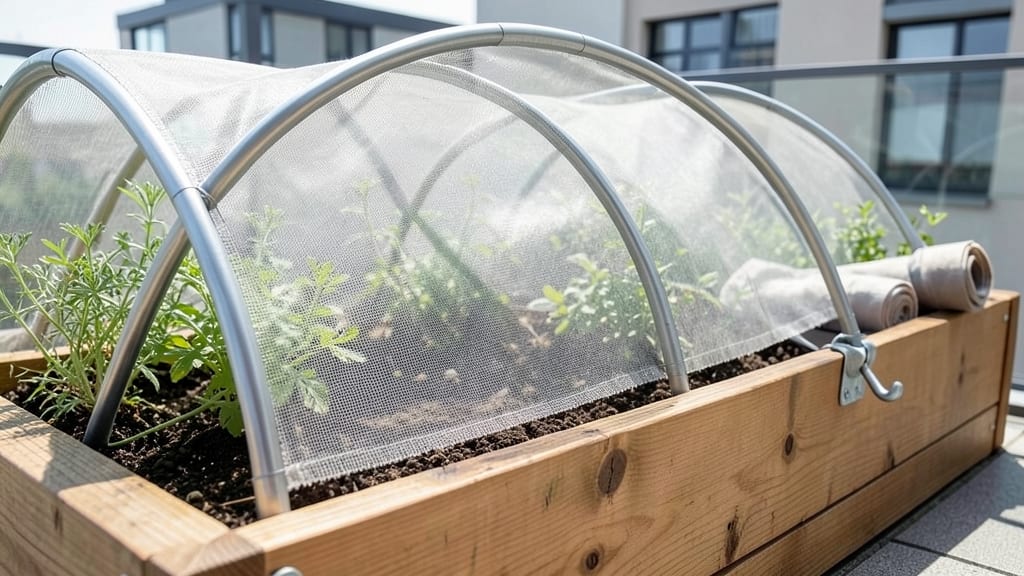
Renting an apartment or only gardening seasonally? Movable shade cloth hoops are your answer—they let you control sunlight without permanent installations. These lightweight hoops (often made of galvanized steel or PVC) support collapsible shade cloth that rolls up neatly when not in use, fitting perfectly in a closet or under a bed.
Choose 30-50% shade cloth for heat-sensitive crops like strawberries or lettuce, or opt for 50-70% for tropical plants. The hoops (typically 4-6 feet tall) can be wheeled or carried between beds, making them ideal for small spaces or temporary setups. Pair them with strawberry jars or spinach for maximum protection during peak afternoon sun.
Perfect for renters, urban gardeners, or anyone who needs flexibility—these hoops give you the freedom to move shade where it’s needed most without leaving a trace. 🌻
Overhead Pergola with Vines
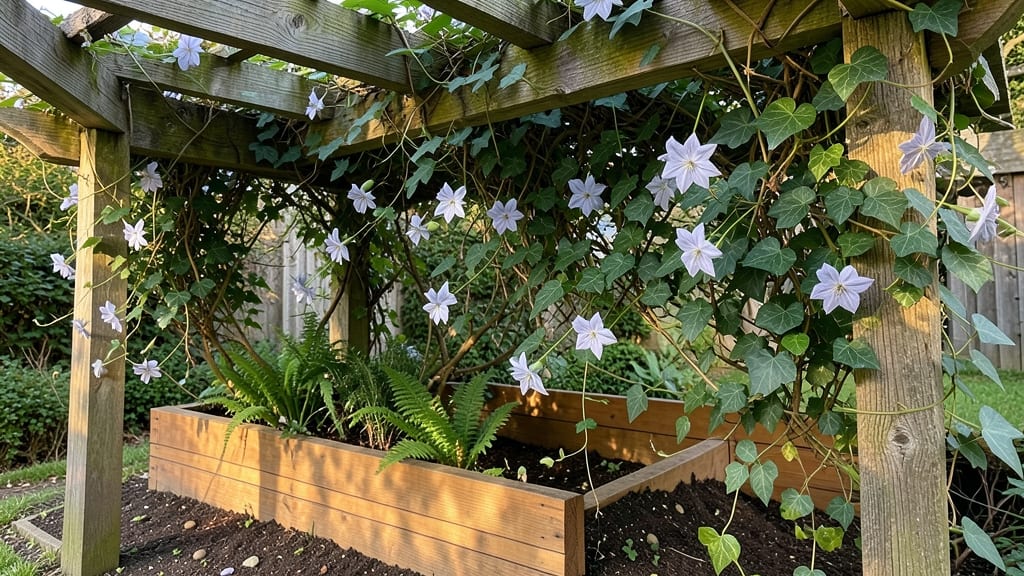
Transform your raised garden bed into a cool, shaded oasis with a permanent pergola structure trained with fast-growing vines like clematis or English ivy. This dual-purpose solution offers both functional shade and year-round greenery, creating a lush canopy that matures over time while protecting heat-sensitive plants below.
Install a wooden or metal pergola frame above your bed, then guide vines along the beams using soft ties or trellis netting. Clematis thrives in partial shade and blooms prolifically, while ivy provides dense, evergreen coverage. Prune regularly to control growth and maintain airflow—aim for 50-70% shade by mid-summer. Pair with shade-tolerant crops like lettuce, spinach, or eggplant for a thriving understory.
This elegant solution is perfect for gardeners who want long-term shade without sacrificing aesthetics—ideal for patios, courtyard gardens, or urban raised beds where temporary shade options fall short. 🌿
Reflective Mulch Film

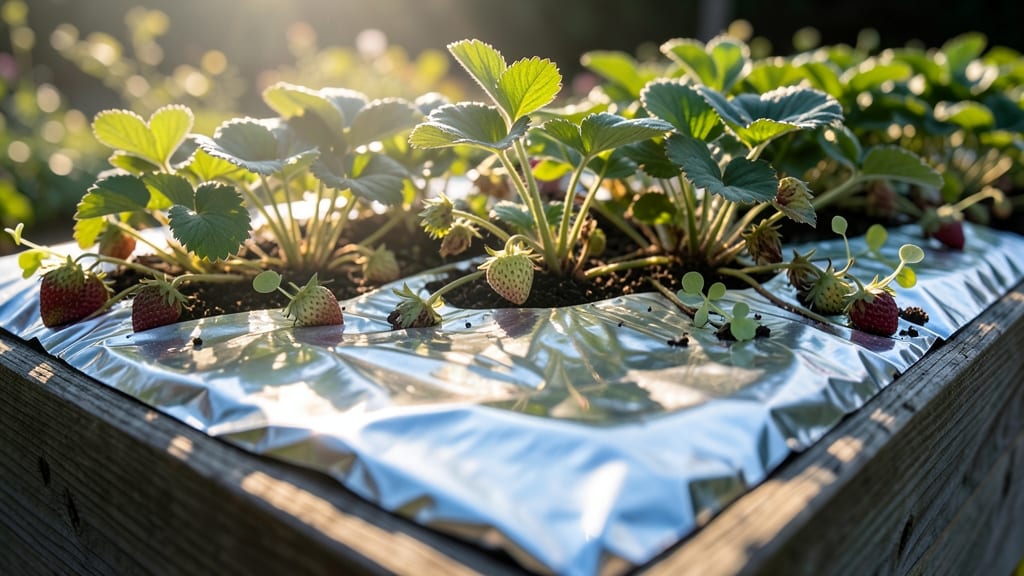
When your strawberries or microgreens are wilting under relentless afternoon sun, reflective mulch film becomes your secret weapon. This thin, aluminum or silver film sits directly on the soil surface, bouncing harmful UV rays away while keeping roots cool—ideal for high-value crops that need precise light control.
Simply lay the perforated film over your raised bed (with plants growing through the holes) and secure the edges with soil or stakes. The reflective surface reduces soil temperature by up to 10°F, preventing bolting in greens and improving fruit quality in berries. For best results, use it during peak sun hours (10 AM–4 PM) or leave it in place year-round for drought-prone areas.
This low-cost, reusable solution is perfect for urban gardeners with limited space or anyone growing heat-sensitive crops in full sun. It’s the ultimate hack for maximizing yield without sacrificing plant health. ✨