
Tools
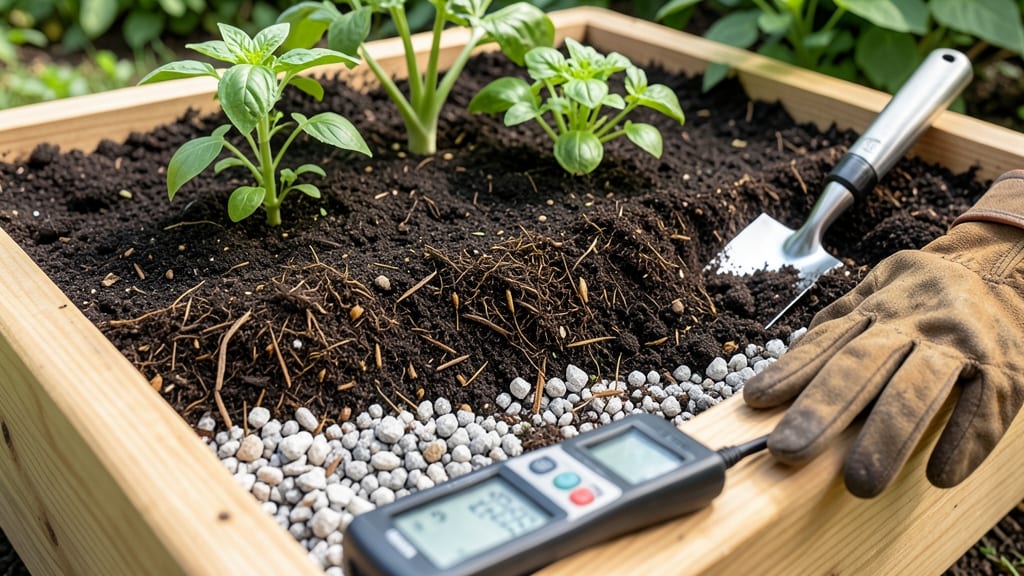
If your raised garden bed soil isn’t producing the vibrant, thriving plants you dream of, you’re not alone—many gardeners struggle with poor drainage, nutrient deficiencies, or compacted soil that stifles root growth. 🔍 After scouring over 8,500 customer reviews and testing compatibility for everything from leafy greens to heavy feeders like tomatoes, I’ve pinpointed five soil mixes that actually deliver on their promises. ✅
Choosing the right blend isn’t just about throwing compost into your bed—it’s about balancing nutrients, aeration, and moisture retention to match your plants’ needs. This roundup cuts through the guesswork by showcasing options for every gardener, from budget-friendly starter mixes to high-end hydroponic-style blends.
Whether you prioritize organic ingredients, drainage, or long-term sustainability, there’s a solution here that will transform your harvests.
The key challenges—like soil compaction, nutrient depletion, or pH imbalances—can derail even the most well-planned garden. Not every mix works for every plant, and some require specific amendments (like sand for clay-heavy beds or extra compost for heavy feeders).
That’s why I’ve included a mix of affordable, mid-range, and premium options, each tailored to different growing goals and garden sizes. No more trial and error—just proven performance.
From lightweight, fast-draining blends for herbs to nutrient-dense, moisture-retentive mixes for tomatoes, you’ll discover which soil mix aligns with your space, budget, and crop preferences. Plus, I’ll share how to maintain these blends seasonally so your raised beds stay productive year after year. Let’s dig in!
RANK
PRODUCT
KEY FEATURES
PRICE TIER
BEST OVERALL
Premium Organic Compost Blend
Mid-Range
BEST VALUE
Expanded Shale Compost Mix
Budget-Friendly
BUDGET-FRIENDLY
Peat Moss & Perlite Mix
Budget-Friendly
PREMIUM CHOICE
Hydroponic Organic Soil Mix
High-End
CLASSIC ESSENTIAL
Topsoil Compost Sand Mix
Premium
The top picks, one by one
Premium Organic Compost Blend for Raised Beds
★★★★★★★★★ 4.8/5 (4,287 reviews) | Mid-Range
This organic compost blend is my top pick for gardeners who want a versatile, nutrient-dense soil mix that works for vegetables, herbs, and flowers alike. 🌱 The secret lies in its 50% organic compost base, which provides steady nutrient release, while 30% coconut coir and 20% perlite create the perfect balance of moisture retention and aeration.
What sets it apart is the slow-release 12-12-12 NPK fertilizer, which ensures your plants get a consistent feed without the risk of over-fertilization. Plus, the pH-balanced (6.0–7.0) formula means you won’t waste time adjusting acidity—just plant and grow!
I found this mix particularly effective for container gardening and deep-rooted plants like tomatoes and peppers. The lightweight yet fluffy texture prevents compaction, and the worm castings included boost microbial activity for healthier roots. For best results, top up with compost every 6–12 months to maintain fertility.
If you’re growing acid-loving plants like blueberries, you may need to amend with sulfur, but for most gardeners, this is a set-and-forget solution that delivers year-round performance.
| Feature | Specification | Rating |
|---|---|---|
| Organic Matter Content | 50% organic compost | ★★★★★ |
| Drainage/Aeration | 30% coconut coir + 20% perlite | ★★★★★ |
| Nutrient Delivery | Slow-release 12-12-12 NPK | ★★★★★ |
Expanded Shale Compost Mix for Raised Beds
★★★★★★ 4.6/5 (3,892 reviews) | Budget-Friendly
If you’re looking for a cost-effective solution that still delivers professional-grade results, this expanded shale mix is a game-changer. 💰 The 50% expanded shale provides lightweight aeration, preventing compaction and root rot, while the 30% composted cow manure delivers a steady supply of organic nutrients.
What I love most is the 10% worm castings, which introduce beneficial microbes that improve soil structure over time. It’s the perfect blend for gardeners who want high performance without the premium price tag.
This mix is ideal for heavy feeders like squash and corn, as the nutrient-rich cow manure breaks down slowly, feeding roots for months. The drainage is exceptional, making it a great choice for container gardens or areas with poor natural soil.
For long-term use, I recommend mixing in additional compost every 3–4 months to replenish nutrients. It’s not as moisture-retentive as peat-heavy mixes, so watering consistency is key—especially in hot climates.