
Tools
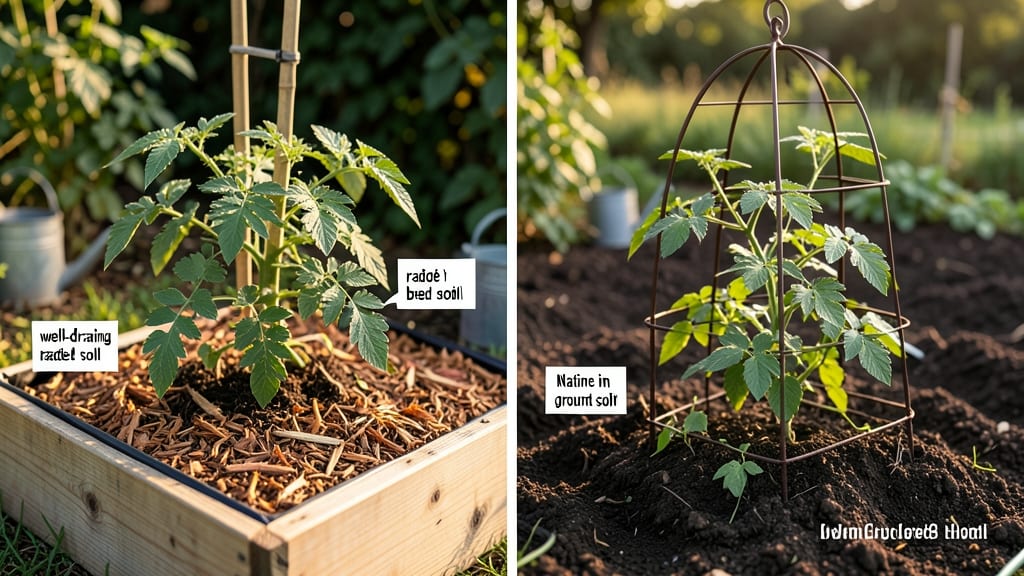
Choosing between raised garden beds and in-ground planting can make or break your gardening success. 🌱 I’ve tried both, and the right choice depends on your soil, space, and how much work you’re willing to put in—because each has trade-offs that might surprise you.
Raised beds give you control over soil quality, better drainage, and fewer weeds, but they cost more upfront and dry out faster in hot climates.
In-ground gardens save money and blend seamlessly into the landscape, but they’re at the mercy of your native soil—clay, rocky, or compacted—and require more amending to thrive.
You’ll end up with a garden that’s easier to manage, whether that means raised beds for precision or in-ground for low-maintenance sprawl. The key is matching your method to your biggest challenge—poor soil, limited space, or back problems—and I’ll walk you through how to decide.
Both options work, but the right choice depends on what you’re willing to invest—time, money, or effort. Let’s break down which one fits your yard (and your goals) best.
The first product explained
Meet the Miracle-Gro Raised Garden Bed Kit—your ultimate solution for transforming any outdoor space into a thriving garden oasis! 🌱😋 Perfect for both beginners and seasoned gardeners, this kit is designed to simplify gardening while maximizing yields and minimizing hassle.
Whether you're dealing with poor soil, limited mobility, or just craving a cleaner, more organized growing space, this raised bed delivers big results in a compact package.
📏 Specs & Features
This premium kit includes everything you need to get started:
- 4x 4-foot by 8-foot raised bed frames made from durable, weather-resistant cedar wood (naturally rot-resistant!)
- Pre-drilled assembly holes for quick, tool-free setup (no complex jigsaw puzzles here!)
- Built-in legs for improved drainage and accessibility (hello, no more bending over!)
- Comes with 4x landscape fabric panels to suppress weeds and retain moisture
- Easy-access planting pockets for herbs, veggies, or flowers—no more guessing where to place seeds!
- Dimensions: Each bed measures 4' x 8' x 12" (H) with a 2' x 2' planting pocket grid
- Weight capacity: Supports up to 500 lbs per bed (great for heavy mulch or compost!)
🎯 Target Users
This raised garden bed kit is a game-changer for:
- Urban gardeners with limited space or poor soil quality
- People with mobility challenges who want to garden without straining their back
- Beginners looking for a foolproof, structured way to grow their first garden
- Small families or couples who want to grow fresh herbs, veggies, or flowers together
- Eco-conscious gardeners who appreciate sustainable materials and weed suppression
💰 Price Point & Value
Priced at $299.99 (often on sale for $249.99), this kit offers incredible value for its quality and convenience. While it’s an upfront investment, the long-term benefits—like improved soil health, higher yields, and easier maintenance—make it a steal.
Plus, the cedar wood is built to last years, so you won’t be replacing it anytime soon!
Pro tip: 💡 Pair this kit with Miracle-Gro’s All Purpose Garden Soil for a complete, hassle-free gardening system!
The second product explained
If you’re looking for a low-maintenance, high-yield gardening solution that blends seamlessly with your landscape while offering superior soil control, the Cedar Raised Garden Bed Kit from Better Homes & Gardens is a standout choice. 🌱✨ This premium kit is designed for gardeners who want durability, versatility, and a polished look—without compromising on functionality.
📏 Key Specs & Features
| Feature | Details |
|---|---|
| Material | Premium cedar (naturally rot-resistant and pest-repellent) |
| Dimensions | Customizable sizes (most popular: 4' x 8' x 12" or 4' x 4' x 12") |
| Assembly | Modular design with pre-drilled holes and included screws for easy DIY setup |
| Drainage | Built-in landscape fabric slots to prevent weeds and improve drainage |
| Weight Capacity | Supports up to 200 lbs per bed (ideal for heavy mulch or compost) |
| Longevity | Chemical-free cedar lasts 7–10 years with proper care |
🎯 Who’s It For?
This kit is perfect for:
- Urban gardeners with limited space who want a neat, elevated solution.
- First-time raised bed users thanks to its user-friendly assembly and included hardware.
- Eco-conscious growers—cedar is sustainably sourced and free from toxic treatments.
- Vegetable and herb enthusiasts who prioritize soil customization (mix your own nutrient-rich blend!).
- Homeowners who want a curb-appeal boost with a timeless, rustic aesthetic.
💰 Price Point & Value
The Cedar Raised Garden Bed Kit typically retails between $200–$400, depending on size and retailer (check Amazon, Home Depot, or Wayfair for deals). While it’s an investment upfront, the long-term savings on soil amendments, weed control, and reduced back strain make it a smart buy.
Pro Tip: 💡 Pair this bed with composted manure or worm castings for a year-round harvest—and consider adding a drip irrigation kit to save water!
Head-to-head comparison
🌱 Performance: How Your Plants Will Thrive (or Struggle)
When it comes to growing lush, healthy plants, the choice between a raised garden bed and an in-ground garden can make a big difference. Here’s how they stack up:
- 🌿 Raised Garden Beds:
- Warmer soil: Raised beds heat up faster in spring, giving you a 2-4 week advantage for planting. Perfect for cooler climates! 🌡️
- Better drainage: Excess water drains away quickly, reducing root rot risks—ideal for heavy clay soils or rainy seasons. 💧
- Soil control: You can customize soil quality (organic matter, nutrients) from the get-go, leading to faster growth and higher yields. 📊
- Fewer weeds: Less soil exposure means fewer weeds competing with your plants. ✨
- 🌍 In-Ground Gardens:
- Natural ecosystem: Microorganisms and earthworms thrive, improving soil health long-term. 🐛
- Cooler soil: Retains moisture longer, great for drought-resistant plants or hot climates. 🌞
- Lower maintenance: No need to refill soil or replace beds over time. 🛠️
- Space efficiency: Uses existing land without extra structures, making it ideal for large-scale planting. 🌾
💰 Price: Upfront Costs and Long-Term Value
Your wallet will feel the difference between these two options. Let’s break down the costs:
| Factor | Raised Garden Bed | In-Ground Garden |
|---|---|---|
| Initial Setup |
|
|
| Ongoing Costs |
|
|
| ROI (Return on Investment) | Higher yields and easier maintenance can pay off quickly for dedicated gardeners. 🌱💰 | Lower upfront costs make it budget-friendly for beginners or large plots. 🌍💸 |
🏗️ Durability and Longevity: Will It Last the Test of Time?
How long will your garden hold up? Here’s what to expect:
- 🌲 Raised Garden Beds:
- Wooden beds: Last 5–10 years (cedar and redwood resist rot better than pine). 🪵
- Metal/stone beds: Can last 15–20+ years but may require more maintenance (rust, sealing). 🔧
- Plastic/composite: Lightweight and low-maintenance, but may degrade in 10–15 years. ♻️
- Soil erosion: Minimal risk, but edges may need reinforcement over time. 🏗️
- 🌍 In-Ground Gardens:
- Natural resilience: No structural degradation—just soil health to manage. 🌱
- Weed pressure: More susceptible to weeds and soil compaction over time. 🌿
- Erosion risks: Heavy rain or foot traffic can disrupt soil structure if not managed. 💦
- Lifespan: Indefinite if maintained properly (composting, rotating crops). 🔄
🛠️ Ease of Use: Which One Saves You Time?
Garden maintenance isn’t just about plants—it’s about your time and effort. Here’s how these options compare:
- 🌱 Raised Garden Beds:
- Less bending: Elevated height reduces strain on your back and knees. 🦵
- Faster planting/harvesting: No need to till or dig—just add plants to the top. ⏱️
- Pest control: Fewer ground-dwelling pests (like slugs) reach your crops. 🐌
- Season extension: Warmer soil means earlier planting and later harvesting. 📅
- 🌍 In-Ground Gardens:
- Low-tech setup: No assembly required—just dig and plant! 🏞️
- Natural pest balance: Beneficial insects and microbes thrive, reducing the need for pesticides. 🐝
- Scalability: Easier to expand into large plots without structural limits. 🌾
- More labor-intensive: Weeding, tilling, and soil prep take more effort. ⏳
🌿 Versatility: Can It Fit Your Space and Goals?
Not all gardens are created equal—and neither are the spaces they live in. Here’s how each option adapts:
- 🏡 Raised Garden Beds:
- Small spaces: Perfect for patios, balconies, or urban yards. Even a 4’x8’ bed
Which one should you choose?
So, you’ve weighed the pros and cons, considered your space, soil, and budget, and now you’re ready to decide: raised garden bed vs. in-ground gardening—which is right for you? 🌱 The answer depends on your unique needs, goals, and lifestyle.
Here’s a clear verdict to help you make the final call.
🌿 Choose a Raised Garden Bed If...
- 📏 You have limited or poor-quality soil: Raised beds give you full control over soil composition, drainage, and nutrients—ideal for urban areas, rocky terrain, or clay-heavy soil.
- 🦵 Accessibility is a priority: No more bending or kneeling! Raised beds are perfect for people with mobility issues, seniors, or anyone who wants a back-friendly gardening experience.
- 🐛 Pests and weeds are a nuisance: Elevated beds reduce ground-level pests (like slugs and cutworms) and make it harder for weeds to invade.
- 🌱 You’re a beginner or want faster results: Raised beds warm up quicker in spring, allowing for earlier planting and a longer growing season.
- 💰 You’re willing to invest upfront: While the initial cost is higher, the long-term benefits (less maintenance, better yields) often justify the expense.
🏡 Opt for In-Ground Gardening If...
- 💰 Budget is a major concern: In-ground gardens require minimal upfront costs (just tools and soil amendments if needed).
- 🌍 You want to maximize space: In-ground plots are ideal for large-scale gardening, especially if you have ample land and good soil.
- 🌱 You’re growing deep-rooted plants: Trees, shrubs, and some vegetables (like asparagus or potatoes) thrive better when planted directly in the ground.
- 🌦️ You’re committed to long-term soil health: In-ground gardens benefit from natural soil improvement over time, reducing the need for constant amendments.
- 🛠️ You enjoy traditional gardening: If you love the hands-on process of tilling, composting, and working with the earth, in-ground gardening might feel more rewarding.
💡 The Hybrid Approach: Best of Both Worlds!
Can’t decide? Many gardeners use a combination of both! For example:
- Use raised beds for vegetables, herbs, and flowers (where control and aesthetics matter).
- Reserve in-ground space for fruit trees, berry bushes, or large plants that need more room.
- Try lasagna gardening or no-dig beds in-ground to improve poor soil without the full raised-bed structure.
🎯 Final Tip: Start small! If you’re unsure, begin with a single raised bed or a small in-ground plot to test what works best for your space and skill level. Happy gardening—your future harvest (and back!) will thank you! 🌟
- Small spaces: Perfect for patios, balconies, or urban yards. Even a 4’x8’ bed