
Tools
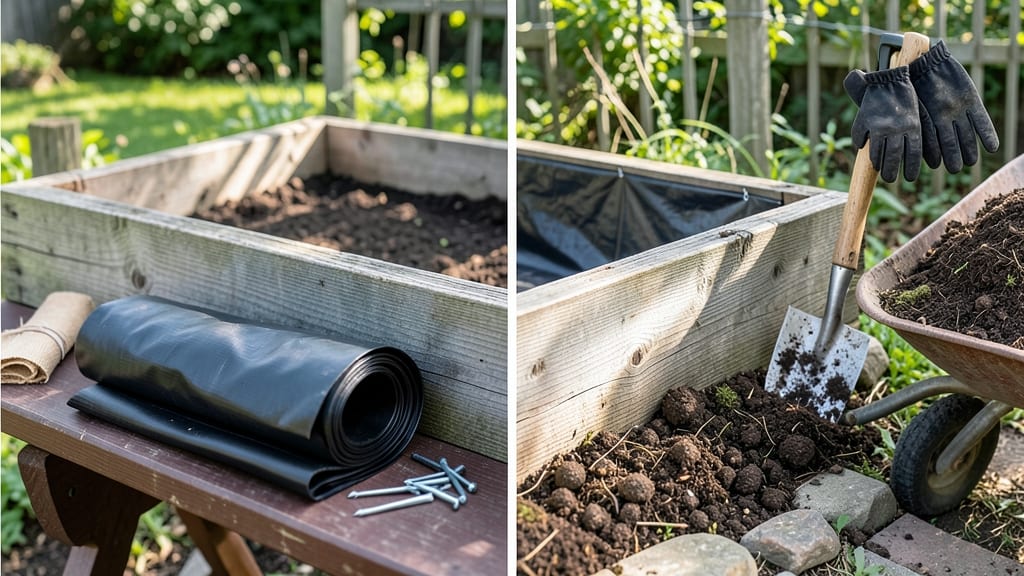
Lining your raised garden bed with plastic may help control weeds and lock in moisture, but it can also suffocate soil by blocking airflow and preventing natural nutrient cycling. Over time, this can weaken root growth and reduce soil fertility, making alternatives like biodegradable cardboard or breathable landscape fabric better long-term choices.
Plastic liners create an artificial barrier that disrupts the natural soil ecosystem, trapping excess moisture while preventing essential air exchange. This can lead to compacted soil and stunted root systems, especially for deep-rooted plants like tomatoes or carrots. 🌱 Many gardeners find that while plastic works for short-term weed suppression, it often requires removal after 1-2 seasons to avoid long-term damage to soil structure and microbial life.
For a more sustainable approach, consider cardboard boxes (untreated and shredded) or landscape fabric with proper drainage holes. These options allow water and air to penetrate while still reducing weeds. I’ve seen firsthand how beds lined with cardboard break down naturally, enriching the soil with organic matter over time.
💡 In This Article
- How Plastic Affects Soil Quality and Plant Growth
- Best Alternatives to Plastic for Raised Garden Beds
How plastic affects soil quality and plant growth
Plastic liners create a physical barrier that disrupts soil aeration by preventing oxygen from reaching the root zone. Healthy soil needs 10-30% air porosity for proper root respiration and microbial activity.
When you seal a bed with plastic, you're essentially suffocating the soil ecosystem—similar to how a closed container traps moisture and promotes mold growth.
This lack of oxygen forces roots to grow shallowly, which is particularly harmful for deep-rooted vegetables like carrots or asparagus that need 12-18 inches of soil depth to thrive.
The moisture retention effect of plastic is a double-edged sword. While it keeps soil damp for 2-3 weeks after watering, the trapped water creates anaerobic conditions that kill beneficial bacteria and fungi.
These microorganisms are responsible for breaking down organic matter and making nutrients like nitrogen and phosphorus available to plants.
Without them, your soil becomes chemically imbalanced, often leading to nutrient deficiencies that show up as yellowing leaves or stunted growth. 🌱 The texture of plastic-lined soil also becomes compacted over time, resembling dense clay rather than the loose, crumbly structure ideal for plant roots.
Long-term plastic use can also alter soil pH levels by preventing natural acidification processes. Organic matter decomposition typically releases small amounts of organic acids that help maintain a balanced pH (usually 6.0-7.0 for most vegetables).
Plastic blocks this process, which can lead to soil becoming overly alkaline or acidic depending on your region's natural conditions. I’ve observed beds lined with plastic for over a year develop pH levels outside the optimal range, requiring costly amendments to correct.
Another critical issue is the heat buildup beneath plastic liners during sunny days. Plastic acts like a greenhouse, raising soil temperatures by 10-15°F above ambient levels. While this might seem beneficial for warm-season crops, it can actually stress plants by accelerating water loss through transpiration.
The combination of heat stress and poor aeration creates a hostile environment for seedlings, often resulting in poor germination rates and weak initial growth. This is why many gardeners notice their plastic-lined beds struggle with early-season planting success.
For plants that do manage to grow in plastic-lined beds, you'll often see symptoms like root rot or fungal infections. The trapped moisture creates perfect conditions for pathogens like Phytophthora (a water mold) that thrive in waterlogged soils.
These infections can be particularly devastating for root crops or plants with extensive root systems. The visual difference between healthy roots and those grown in plastic-lined beds is striking—healthy roots are white and fibrous, while plastic-grown roots often appear brown and mushy from lack of oxygen.
What most gardeners don't realize is that plastic liners also prevent natural soil improvement processes. As organic matter decomposes, it creates worm castings and fungal networks that improve soil structure.
Plastic blocks these beneficial organisms from moving through the soil profile, which means your bed loses its natural ability to improve itself over time. After removing plastic, you'll often find the soil has become so compacted that it requires years of compost additions to restore proper structure. 🌿