
Landscaping
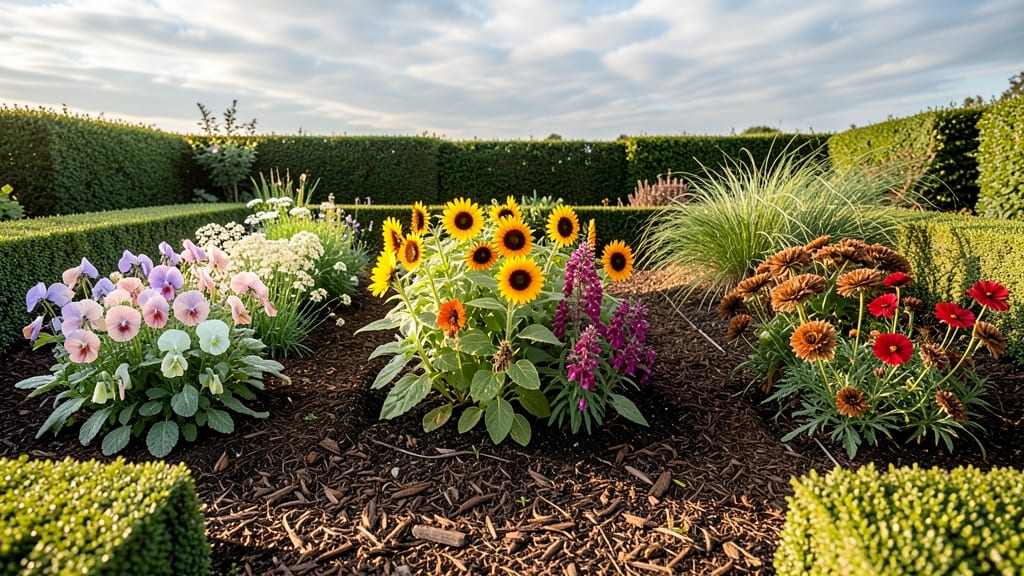
Transforming a small backyard into a vibrant, low-maintenance garden is easier than you think. These 10 flower bed ideas maximize beauty while minimizing upkeep, ensuring year-round color and texture without overwhelming your space or schedule.
Tiered Stone Edged Flower Beds
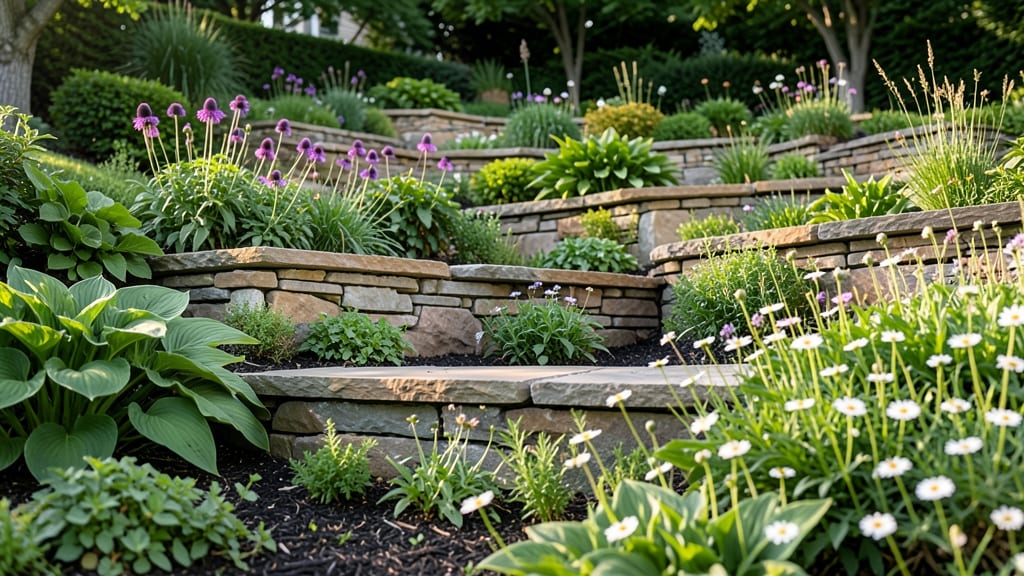
Turn your sloped backyard into a stunning, functional garden with tiered stone-edged flower beds. These layered designs not only prevent soil erosion but also create stunning visual interest by adding height and dimension to compact spaces.
Start by outlining each tier with flat, durable stones (like flagstone or river rock) to contain soil and plants. Use taller plants like salvia or delphinium in the back tiers, mid-height flowers like coreopsis in the middle, and trailing plants like sweet potato vine in the front. The tiered structure naturally directs water downhill, reducing runoff while giving you multiple planting levels for varied textures and colors.
This design is perfect for small spaces with slopes or uneven terrain, offering both practical erosion control and a professional, landscaped look with minimal effort. 🌻
Raised Wooden Box Planters
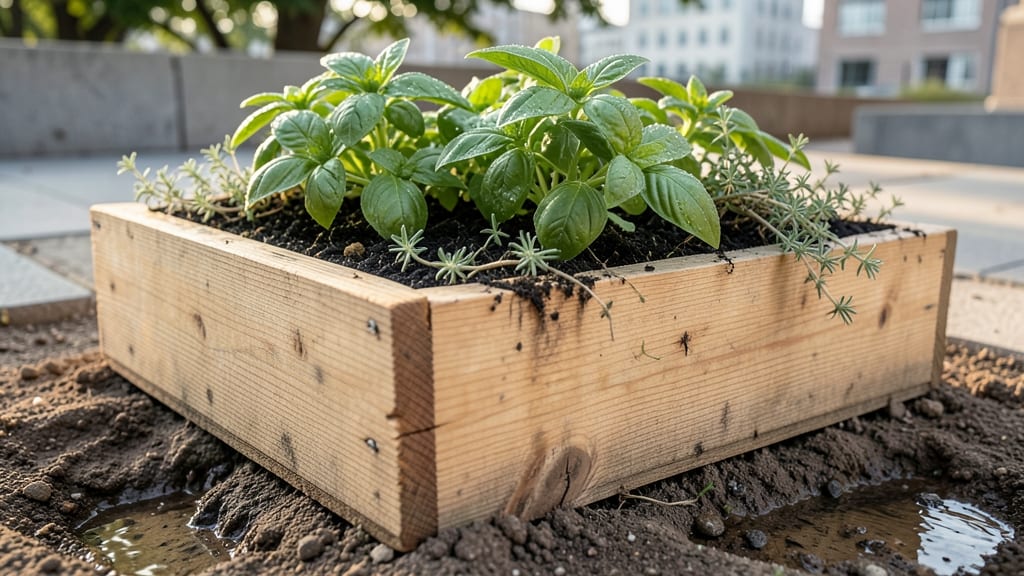
If your backyard has compacted soil or poor drainage, raised wooden box planters are the game-changer you need. These elevated beds lift your plants above ground-level challenges, creating an ideal growing environment while adding charm to urban spaces.
Fill them with a mix of herbs like basil and thyme alongside flowers like marigolds and lavender for a functional yet beautiful display. The improved drainage prevents root rot, while the contained soil warms up faster in spring—giving you a head start on the growing season. Plus, the raised edges keep pets and weeds out naturally.
Perfect for renters or small spaces, these planters require minimal ground prep and can be moved as your garden evolves. They’re especially great for urban gardeners who want to grow fresh herbs and vibrant flowers without the hassle of amending heavy soil. 🌿
Circular Herb and Flower Spiral
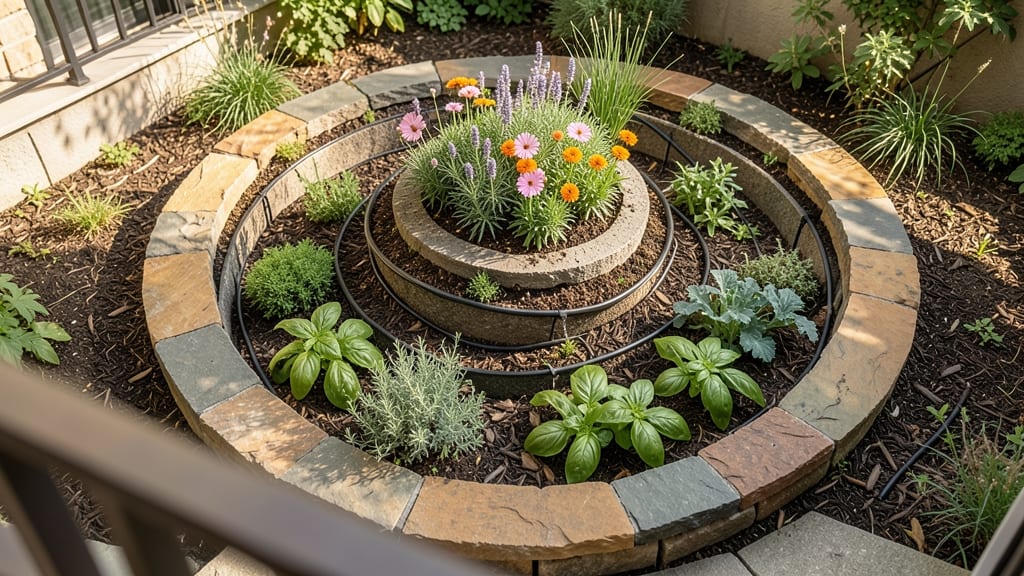
Turn your tiny urban yard into a functional oasis with a circular herb and flower spiral—a space-saving design that packs edible delights and pollinator magnets into a single, self-sustaining structure. This spiral layout maximizes root zones while minimizing water waste, making it ideal for balconies, patios, or cramped backyards.
Start by creating concentric circles using landscape fabric or bricks to define plant zones. Place drought-tolerant herbs like rosemary and thyme at the center (they thrive with minimal water), then layer pollinator-friendly flowers like cosmos and borage around them. The spiral’s design naturally channels rainwater toward the roots, reducing your watering chores by up to 50%. Add a thick layer of mulch to retain moisture and suppress weeds.
This design is perfect for urban gardeners who want fresh herbs for cooking and a buzzing ecosystem for bees and butterflies—all without sacrificing square footage. Plus, the spiral’s organic shape adds modern charm to any small space. 🌱
Vertical Trellis Flower Garden
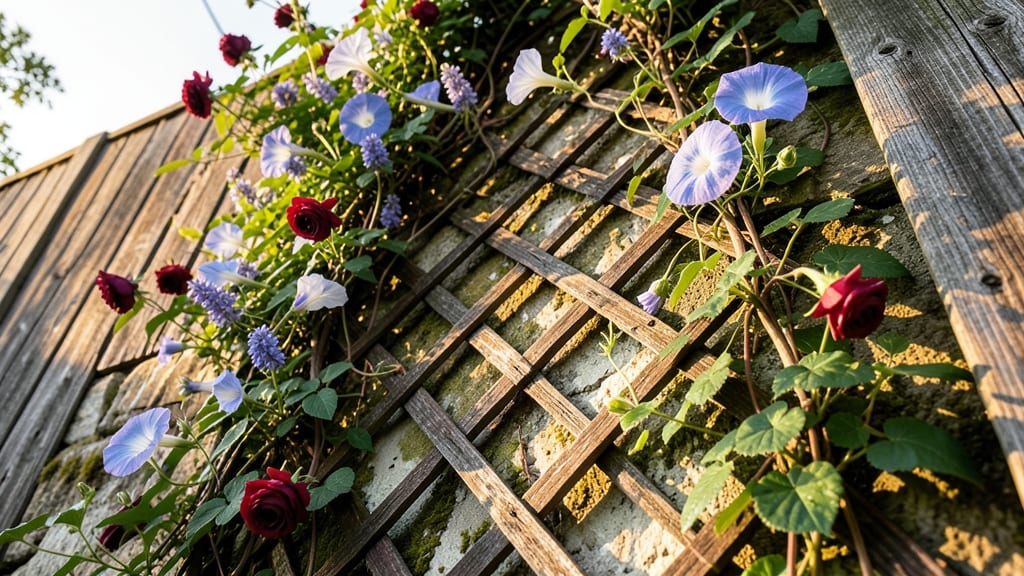
Turn your fence or wall into a romantic, lush backdrop without sacrificing precious ground space. A vertical trellis flower garden transforms blank vertical surfaces into a cascading display of color using clematis, morning glories, or climbing roses—perfect for small backyards where every inch counts.
Start by installing a sturdy trellis (wood, metal, or even a simple wire mesh) along your fence or wall. Plant fast-growing vines at the base, ensuring they have 6 hours of sun daily for maximum blooms. For a year-round show, pair summer-blooming morning glories with clematis varieties that bloom in spring and fall. Water deeply at the base to encourage strong root growth, and prune in late winter to shape the vines and remove dead foliage.
This design is ideal for gardeners who love whimsical charm but hate sacrificing space. It’s especially great for urban backyards, patios, or small lots where vertical gardening maximizes beauty without the footprint. 🌻
Mulch and Gravel Border Beds
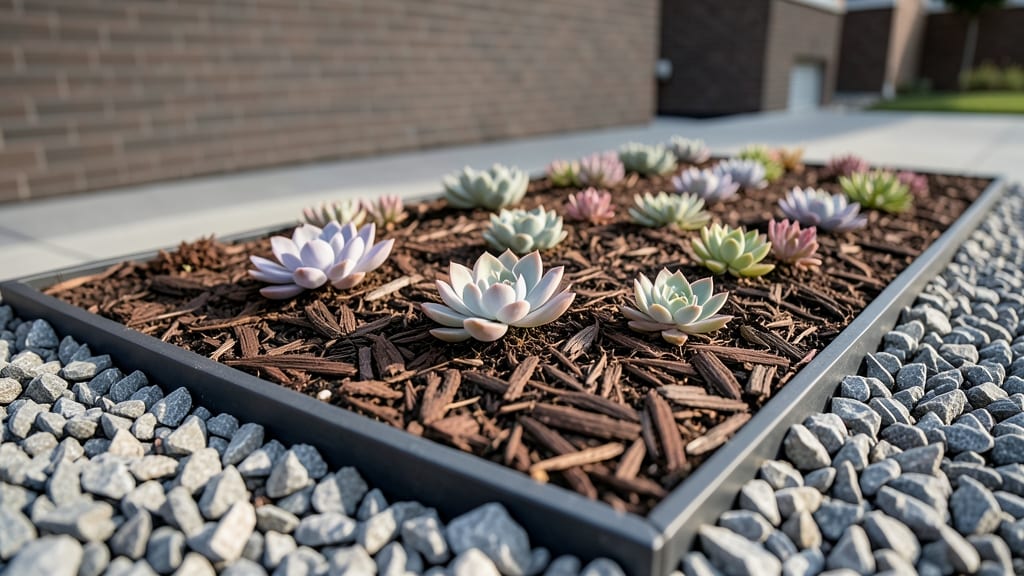
Tired of battling weeds while still wanting a sleek, modern garden? Mulch and gravel border beds offer the perfect solution—combining natural weed suppression with striking visual contrast. This minimalist approach is ideal for small spaces where you want to showcase drought-tolerant plants like succulents and lavender without the fuss.
Start by outlining your bed with a clean border (wood, metal, or even bricks), then fill the center with soil and your chosen plants. Top with a layer of gravel or decorative mulch—like smooth river rocks or dark bark—to block sunlight from weed seeds while adding texture. For best results, pair this with lavender, sedum, or ornamental grasses, which thrive in well-draining conditions and complement the gravel’s modern look.
This design is perfect for urban gardeners or anyone who prefers a low-maintenance aesthetic. The gravel stays in place while keeping weeds at bay, and the contrast between soft foliage and hard-edged stones creates a polished, contemporary vibe. 💚
Container Planter Flower Arrangement
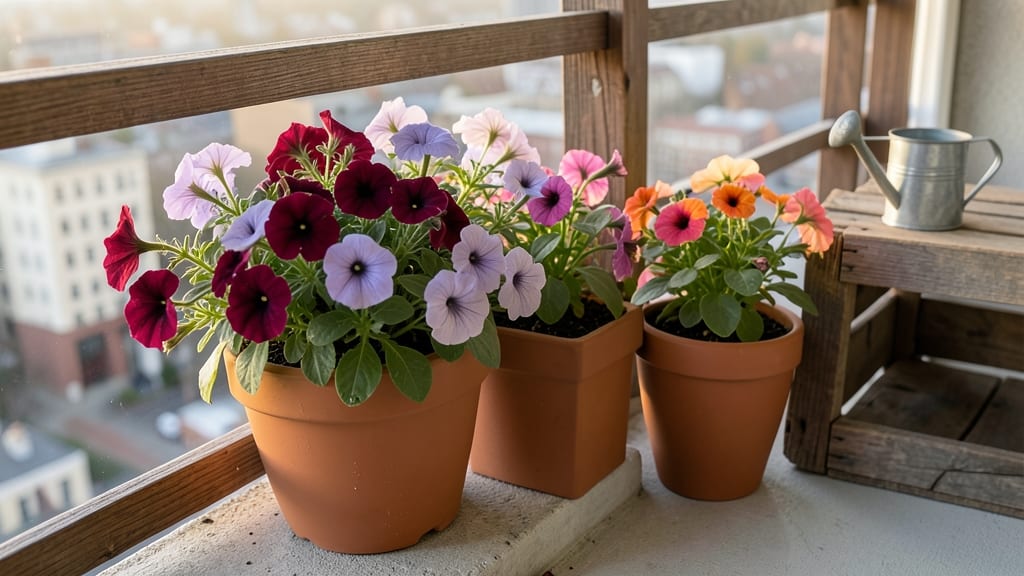
If you're a renter, apartment dweller, or simply love the idea of moving your garden without digging—container planter arrangements are your secret weapon. These portable displays let you swap out seasonal blooms like petunias or impatiens in minutes, giving you instant curb appeal without the long-term commitment of permanent beds.
Start with large pots (12-18 inches wide) filled with well-draining potting mix and a slow-release fertilizer. Group odd numbers of plants (3, 5, or 7) for a natural look, and mix heights—tall snake plants or caladiums in back, trailing fuchsias in front. Water deeply when the top inch of soil feels dry, and fertilize every 4-6 weeks for continuous blooms. For extra charm, wrap moss around the pot edges or add decorative stones.
This approach is perfect for urban balconies, patio corners, or even front porches—ideal for anyone who wants to garden without the hassle of soil prep or permanent installations. 🌻
Native Wildflower Meadow Patch
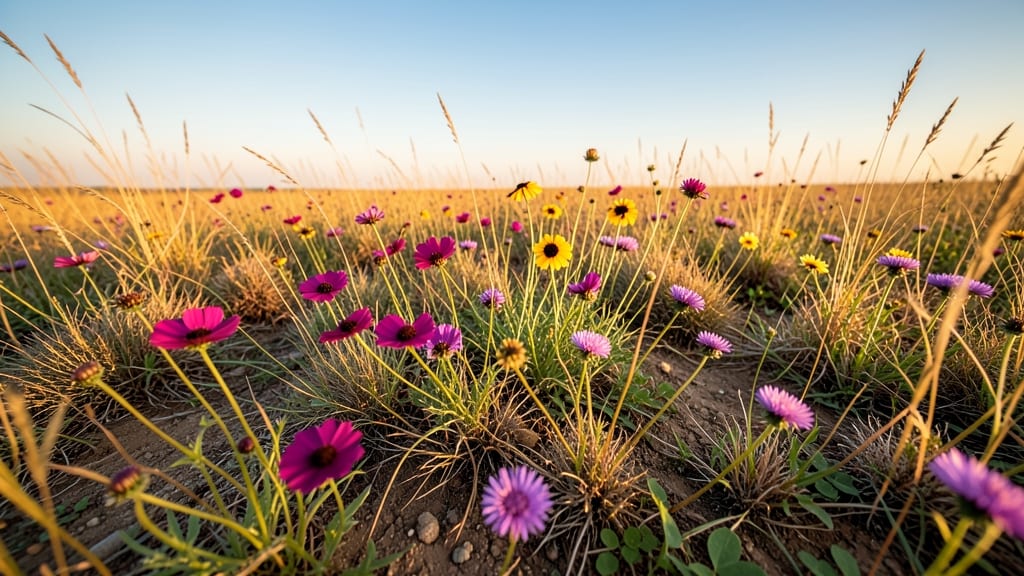
Tired of battling weeds and watering schedules in your sunny backyard? A native wildflower meadow patch offers a carefree alternative where beauty thrives on its own terms—no fertilizers, no pruning, just vibrant blooms that support local ecosystems.
Simply clear the area, mow once a year, and let native species like black-eyed Susans and purple coneflowers take over. These plants are bred to handle your region’s drought conditions and poor soil, while attracting bees and butterflies. For best results, choose a mix of seeds tailored to your climate zone.
This design is ideal for busy gardeners or anyone wanting to reduce water usage by up to 90%. Plus, it’s the ultimate zero-maintenance solution for open spaces. 🌻
Moon Garden with White Flowers
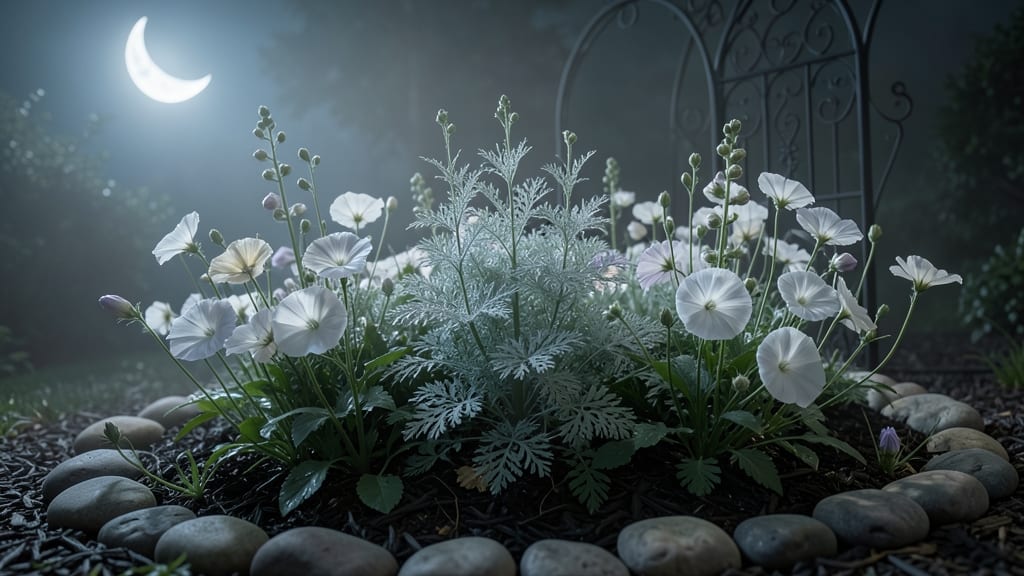
Transform your backyard into an enchanting nighttime retreat with a moon garden—a serene space designed to glow under moonlight. This design focuses on white and pale flowers that open after sunset, like moonflowers and night-scented stocks, creating a magical atmosphere perfect for evening relaxation.
Plant moonflowers (Ipomoea alba) along fences or trellises for their large, fragrant white blooms that unfurl at dusk. Pair them with night-scented stocks (Matthiola longipetala) for their sweet evening fragrance. Add silver foliage plants like lamb’s ear (Stachys byzantina) to reflect moonlight beautifully. This garden thrives in partial shade and well-draining soil, making it ideal for small spaces near patios or decks.
Perfect for gardeners who love low-light gardening or enjoy evening strolls, this design requires minimal upkeep while delivering maximum nighttime charm. 🌿
Butterfly Attracting Pollinator Bed
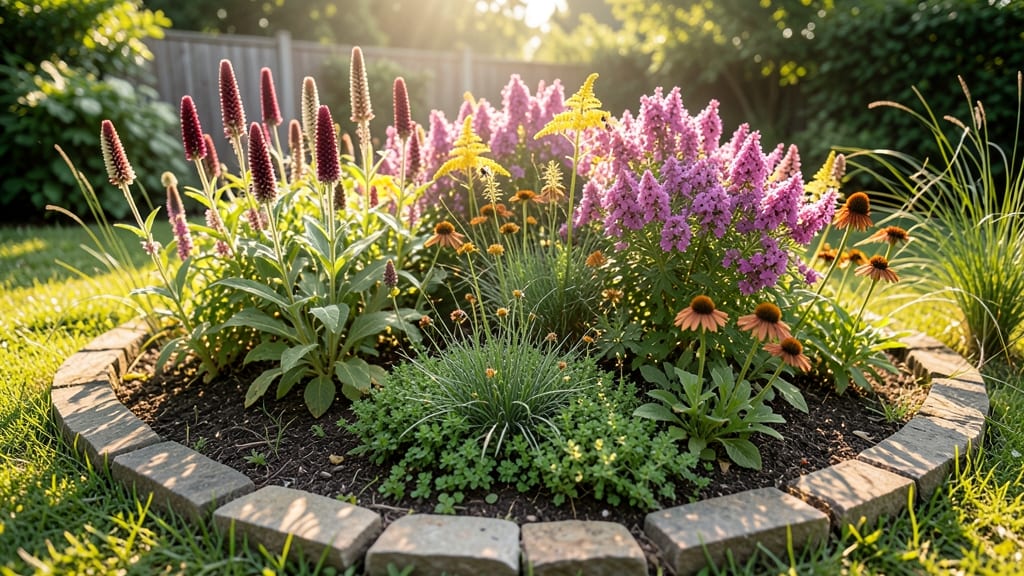
Want to turn your small backyard into a buzzing hub for butterflies and bees? A pollinator bed packed with nectar-rich flowers like milkweed and butterfly bush is the perfect way to support local wildlife while adding vibrant color. This design thrives in full sun and requires minimal upkeep—just plant, water, and watch pollinators flock to your garden.
Start with a mix of host plants (like milkweed for monarchs) and nectar sources (such as coneflowers and bee balm). Group plants in odd-numbered clusters for visual appeal, and leave some bare soil for ground-nesting bees. Mulch with straw to retain moisture and reduce weeds, ensuring your bed stays lush without constant attention.
This is the ideal project for eco-conscious gardeners who want to make a difference—even in small spaces. Your efforts will create a thriving ecosystem right in your backyard! 🌻
Seasonal Color Wheel Beds

Tired of flower beds that look dull between seasons? Seasonal color wheel beds solve this by rotating blooms to match the palette of each season—spring’s soft pastels, summer’s bold hues, and fall’s fiery tones—without replanting from scratch.
Start with three distinct beds: one for each season. Plant spring bulbs like tulips and daffodils alongside early bloomers such as pansies, then transition to summer annuals like zinnias and marigolds. For fall, swap in mums, asters, and ornamental grasses for warm tones. Use overlapping bloom times (e.g., late-spring tulips fading as peonies open) to create seamless transitions. This strategy keeps your garden vibrant with minimal effort.
Perfect for gardeners who love variety but hate replanting, this method works especially well in small spaces where every square foot counts. 🌻