
Tools
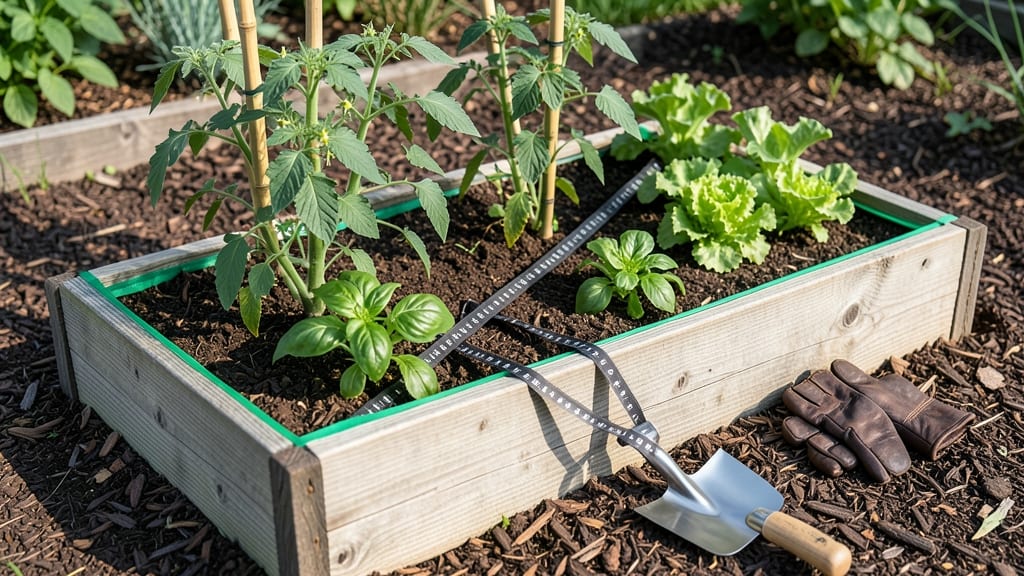
Standard garden bed sizes typically range between 4 feet wide and 8–12 feet long, with a depth of 6–12 inches to ensure proper plant root growth and easy maintenance. Raised beds often follow 4x8-foot dimensions for optimal accessibility and soil control.
Choosing the right garden bed dimensions isn't just about fitting your yard—it's about creating the ideal environment for your plants to thrive. 🌱 A 4-foot width is perfect for reachability, letting you work from either side without stepping into the bed and compacting the soil.
For length, 8–12 feet balances space efficiency with practicality, while 6–12 inches of depth accommodates most root systems, from shallow carrots to deeper potatoes. Raised beds, in particular, benefit from these dimensions because they warm up faster in spring and give you better control over soil quality.
If you're working with limited space, consider smaller beds like 3x6 feet—these are great for herbs or salad greens and prevent soil compaction from frequent access. For larger plots, you can extend the length while keeping the width manageable.
The key is balancing your garden's productivity with your ability to maintain it comfortably.
💡 In This Article
- Why Standard Garden Bed Dimensions Matter for Plant Health
- Choosing the Best Garden Bed Size for Your Space and Plants
Why standard garden bed dimensions matter for plant health
The 4-foot width of standard garden beds isn't arbitrary—it's rooted in human ergonomics and plant biology. When you design beds this size, you can reach the center from either side without stepping on the soil, which prevents compaction.
Compacted soil restricts root growth and reduces oxygen flow to roots, stunting plant development. Studies show that soil compaction can reduce root zone oxygen by up to 30%, directly impacting nutrient uptake. 🌱
Depth plays a crucial role too. Most vegetable roots thrive in 6–12 inches of loose soil. For example, carrots need about 10–12 inches to develop properly, while lettuce only requires 4–6 inches.
The extra depth in raised beds (often 12 inches) accommodates deeper-rooted plants like potatoes while improving drainage. This vertical space also allows for better soil layering—topsoil at the surface for plants, followed by compost-rich subsoil below.
Length becomes important for efficiency. Beds that are 8–12 feet long maximize growing space while keeping the bed's perimeter manageable. Longer beds reduce the number of pathways you need to maintain, saving time and materials.
The 4x8-foot raised bed standard, in particular, creates a perfect balance: it fits most wheelbarrows for easy soil delivery, allows for crop rotation planning, and minimizes edge effects where plants might dry out faster.
Weed control is another key factor. Narrower beds (under 4 feet) force you to step into the planting area, creating trampled paths that become weed highways. Wider beds (over 5 feet) make reaching the center difficult, leading to uneven watering and maintenance.
The 4-foot rule also aligns with how most gardening tools are designed—hoes, rakes, and trowels can easily access the entire bed without awkward stretching.
Soil aeration improves dramatically with these dimensions. A well-designed bed allows for 18–24 inches of soil surface area per foot of length, creating ideal conditions for earthworms and beneficial microbes. These creatures are essential for breaking down organic matter and creating nutrient-rich castings.
Without proper aeration, roots suffocate, and beneficial soil life can't thrive—leading to weaker plants and more susceptibility to disease. 🌿
Consider how different plants interact with these dimensions. Tall crops like tomatoes or sunflowers benefit from the 4-foot width because they can be placed along the edges, leaving the center for shorter plants.
This vertical layering maximizes space while ensuring all plants get adequate sunlight. In contrast, sprawling plants like zucchini or pumpkins need the full length to spread without crowding their neighbors.