
Tools
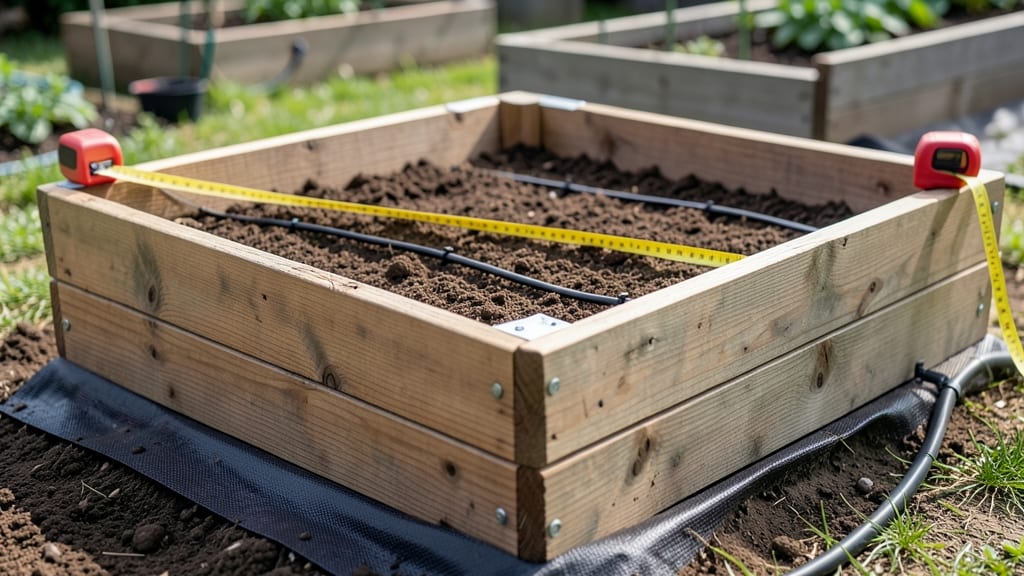
The standard raised garden bed size is 4 feet wide by 8 feet long, designed to balance accessibility with efficient use of planting space. This configuration ensures easy reach from all sides while maximizing soil volume for healthy plant growth.
The 4×8-foot dimensions aren't arbitrary—they're carefully chosen to fit the average person's arm span while eliminating wasted soil along edges. 🌱 This size makes it possible to plant in straight rows without stepping on the bed, which helps prevent soil compaction and makes maintenance easier.
Many gardeners also find this layout ideal for arranging plants in neat, organized sections that maximize sunlight exposure and air circulation.
Beyond the standard, you can adjust dimensions based on your specific needs—whether you're working with limited urban space or need wider beds for wheelchair access.
For example, a 3×6-foot bed might work better in tight corners, while a 4×12-foot bed could be ideal for growing long vining plants like cucumbers or pole beans. The key is always maintaining at least 2-3 feet of clear space around the bed for comfortable access.
💡 In This Article
- Why 4x8 Feet Is the Optimal Raised Garden Bed Size
- Customizing Raised Garden Bed Dimensions for Space and Needs
Why 4x8 feet is the optimal raised garden bed size
The 4-foot width of a standard raised bed aligns perfectly with the average adult's arm span, allowing you to reach the center without stepping inside. This design eliminates soil compaction from foot traffic, which can suffocate plant roots and reduce air circulation.
Studies show that compacted soil can decrease root oxygen by up to 40%, directly impacting plant health and yield. The 8-foot length provides enough space for multiple rows of vegetables while keeping the bed narrow enough to maintain consistent moisture and temperature across the entire surface.
From a soil efficiency perspective, the 4x8-foot footprint minimizes edge waste—the area where soil isn't usable for planting. A typical garden bed loses about 10-15% of its soil volume to edges, but this standard configuration reduces that loss to just 5-8% by maximizing the planting area.
The rectangular shape also allows for precise row arrangement, letting you plant in straight lines that maximize sunlight exposure and make harvesting easier.
For example, you can fit 4 rows of tomatoes (spaced 18 inches apart) or 6 rows of carrots (spaced 6 inches apart) in this space, demonstrating how the dimensions optimize both yield and organization.
This size also works beautifully with common gardening tools. Most hoes, rakes, and trowels have handles designed for beds this width, making cultivation more efficient.
The length allows for easy access to both ends without needing to stretch awkwardly. 🌱 What's often overlooked is how this dimension supports companion planting—you can pair deep-rooted plants like tomatoes with shallow-rooted herbs like basil, creating a natural ecosystem that improves flavor and reduces pests.
The 4-foot width is particularly important for this strategy, as it prevents overcrowding while still allowing enough space for each plant to thrive.
For those concerned about soil depth, the standard 10-12 inches of soil in a raised bed (the typical height) works perfectly with these dimensions. This depth accommodates the root systems of most vegetables while providing enough volume to retain moisture without becoming waterlogged.
The 4x8-foot base gives you about 32 cubic feet of soil, which is ideal for growing a diverse range of plants without needing to constantly replenish nutrients. This balance between surface area and depth is what makes this size so universally effective for both beginners and experienced gardeners.
One common misconception is that larger beds always mean better yields. However, the 4x8-foot size actually optimizes the ratio of planting area to soil volume, preventing waste.
Larger beds require more soil, which can become expensive and difficult to maintain, while smaller beds might not provide enough space for proper plant spacing. The standard dimensions strike that perfect balance, making it easier to rotate crops, manage weeds, and maintain consistent growing conditions across the entire bed.
If you're working with limited space, you can create multiple 4x8-foot beds in a grid pattern, which actually improves air circulation between plants compared to a single large bed. This arrangement also makes it easier to rotate crops annually, a practice that prevents soil depletion and reduces disease buildup.
The modular nature of this size means you can expand your garden incrementally without sacrificing efficiency or accessibility.