
Trees
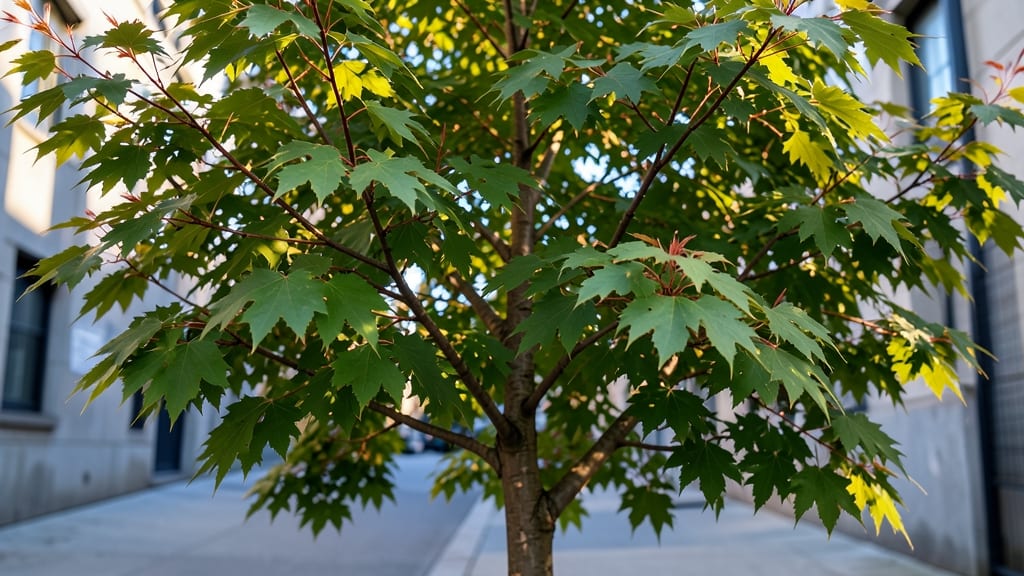
Identifying trees with classic 5-lobed leaves can transform your garden into a vibrant autumn showcase. These stunning maple varieties offer year-round interest, from fiery fall foliage to elegant winter silhouettes, making them perfect for landscaping and shade.
Sugar Maple Tree with Vibrant Fall Colors
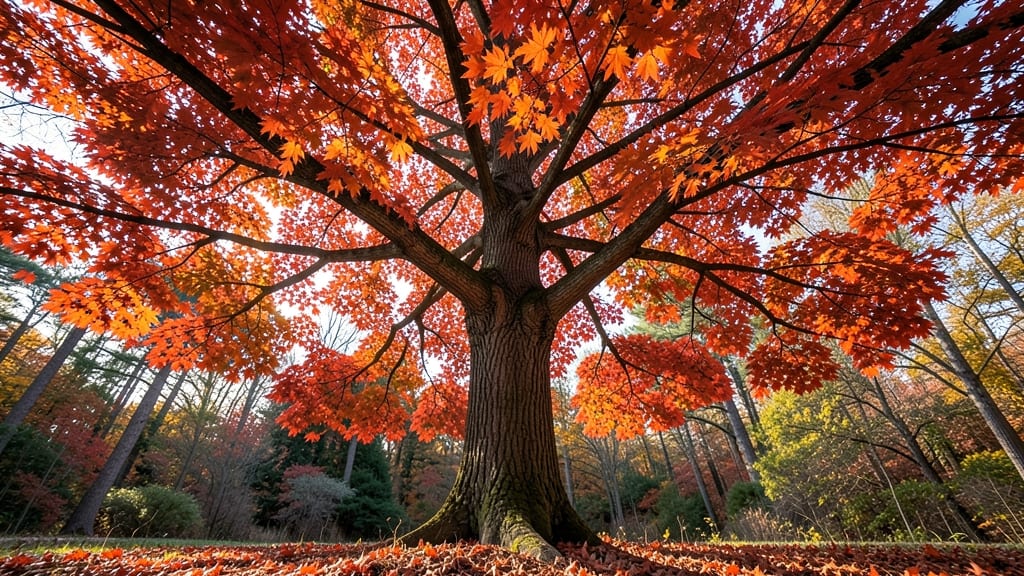
The sugar maple (Acer saccharum) isn’t just a tree—it’s a seasonal masterpiece that turns neighborhoods into fiery art galleries every autumn. Known for its brilliant red-orange foliage, this iconic North American species thrives in hardy climates and even produces the prized sap for maple syrup, making it a dual-purpose star for gardeners and foragers alike.
Plant your sugar maple in well-drained, slightly acidic soil with full sun to partial shade, and watch it grow into a majestic 60- to 80-foot shade provider. Prune young trees to encourage strong branch structure, and avoid overwatering—this tree prefers moisture but hates soggy roots. Bonus: The samaras (helicopter seeds) add whimsy in late spring, while the bark’s deep grooves offer winter texture.
Perfect for large properties, parks, or as a focal point in rural landscapes, the sugar maple rewards patience with year-round beauty—from spring’s delicate flowers to autumn’s breathtaking display. 🌟
Norway Maple Tree for Urban Landscapes
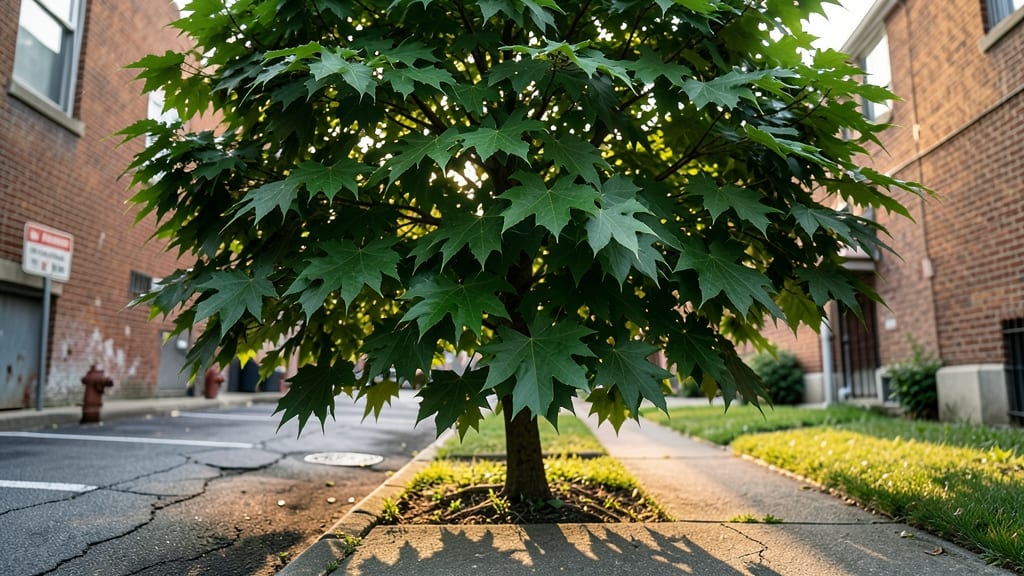
When city sidewalks and small yards demand shade without sacrificing space, the Norway maple delivers a fast-growing, pollution-tolerant solution that outperforms most urban trees. Its dense, glossy canopy blocks sunlight aggressively while adapting to compact spaces—ideal for parking lot perimeters or tight backyards.
This hardy tree thrives in full sun to partial shade and handles urban stressors like salt spray and compacted soil better than native maples. Plant in well-draining soil (though it tolerates clay) and water deeply during the first year to establish roots. Prune in late winter to maintain its rounded shape and prevent overgrowth. The trade-off? Its aggressive root system may outcompete nearby plants, so install root barriers if needed.
Urban gardeners and city planners love this tree for its low-maintenance shade and ability to filter air pollution—making it a hero for smoggy cities. For maximum impact, pair it with drought-tolerant ground covers to reduce water needs. 🌿
Red Maple Tree with Early Spring Blooms
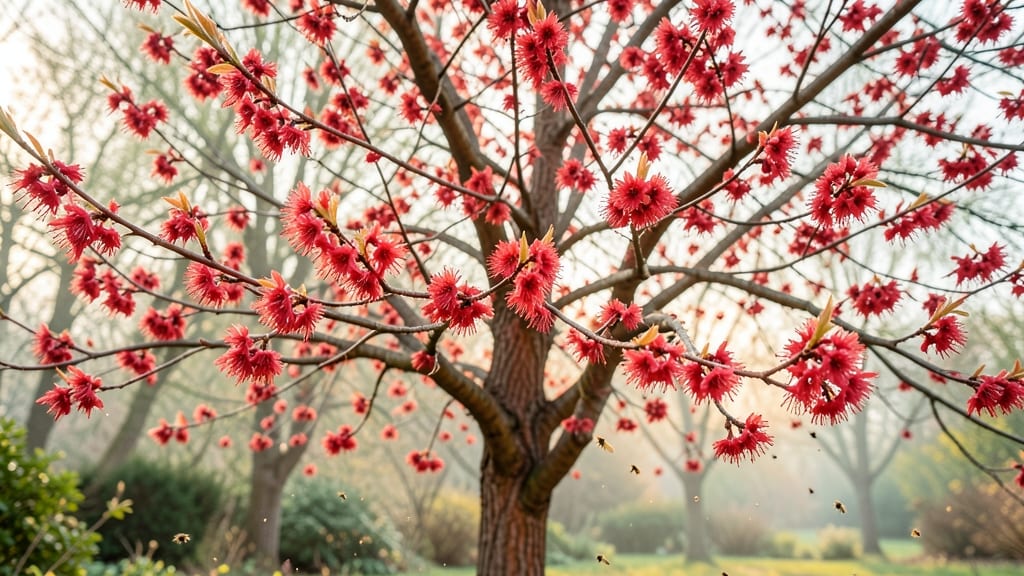
If you love a garden that buzzes with life from the moment spring arrives, the red maple tree (Acer rubrum) is your perfect partner. Unlike other maples that wait for leaves to emerge, this species bursts into showy red flowers in early spring, providing critical nectar for bees and butterflies before most plants even think about blooming.
This adaptable tree thrives in full sun to partial shade and tolerates a wide range of soils, making it ideal for both woodland edges and urban landscapes. In autumn, its foliage transforms into vibrant scarlet, creating a dramatic contrast against other fall colors. For wildlife gardeners, it’s a dual-season powerhouse—feeding pollinators in spring and supporting birds with its samaras (helicopter seeds) in late summer.
Perfect for gardeners who want low-maintenance beauty with high ecological value, the red maple delivers year-round interest with minimal effort. 🌟
Silver Maple Tree for Wet Soil Areas
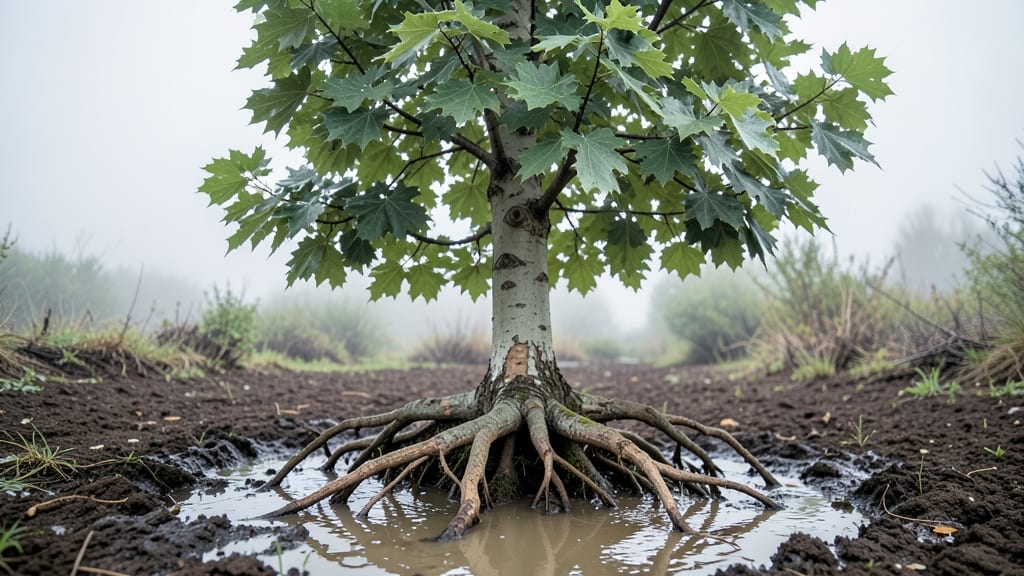
Struggling with soggy soil that stunts other maples? The silver maple thrives where most trees fail, thanks to its natural tolerance for wet, poorly drained soils. This hardy species is the secret weapon for rain gardens, pondsides, and low-lying areas where water pools after heavy rains.
What sets it apart is its silvery undersides—when the wind rustles the leaves, they shimmer like liquid metal, creating a dazzling light show. Plant it in full sun to partial shade, and watch it grow 3-5 feet per year. While its wood is weaker than other maples, its adaptability makes it ideal for urban waterfronts or landscapes with seasonal flooding.
Perfect for eco-conscious gardeners or those with challenging sites, the silver maple brings beauty to places where few other trees dare to grow. 🌿
Japanese Maple with Lace-Like Foliage
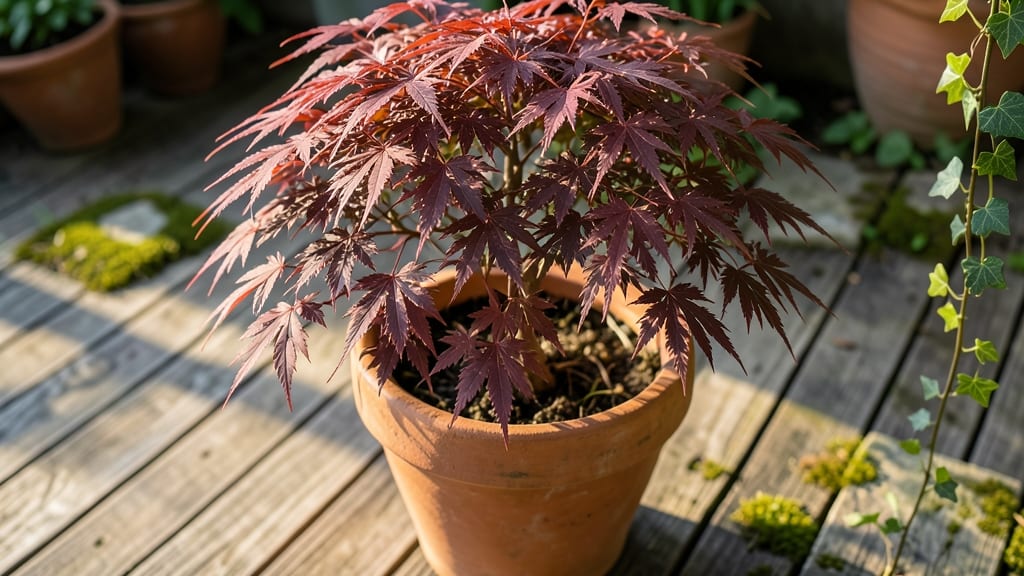
Transform tiny spaces into enchanting gardens with Japanese maple varieties like 'Bloodgood' or 'Emperor I', whose delicate, lace-like foliage creates a fairy-tale effect. These dwarf cultivars thrive in containers as small as 15-gallon pots, making them perfect for patios, balconies, or even bonsai enthusiasts seeking intricate branching patterns.
Plant them in well-draining soil with morning sun and afternoon shade to protect their tender leaves from scorching. Mulch annually to retain moisture, and prune in late winter to shape their growth while they're dormant. The payoff? Vibrant fall colors ranging from fiery red to golden yellow, plus intricate textures that catch light like stained glass.
Urban gardeners and small-space enthusiasts will love how these maples add drama without overwhelming their surroundings. Even beginners can master their care—just avoid heavy clay soils and you'll enjoy years of whimsical beauty. ✨
Boxelder Maple for Fast Growth Needs
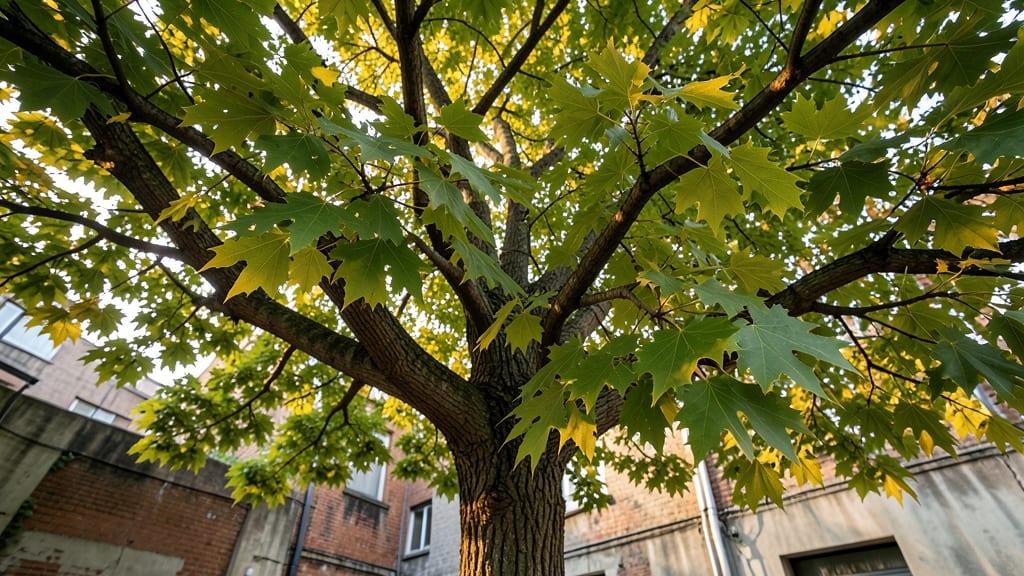
Need a privacy screen or shade solution in a hurry? The boxelder maple (Acer negundo) grows with reckless speed—up to 3 feet per year—making it one of the fastest maturing maples for large properties. Its compound leaves (unlike other maples) and adaptable nature let it thrive in urban edges, fence lines, or even disturbed soils where slower trees would struggle.
Plant it in full sun to partial shade and expect a 30-foot-tall tree within a decade. However, its aggressive root system and prolific seed production mean it’s best suited for open landscapes where it won’t crowd out neighbors. Prune young branches to encourage a single trunk, and monitor for aphids or verticillium wilt—common issues for fast-growing maples.
Ideal for landowners with large yards or those needing quick shade, but avoid planting near foundations or sidewalks. Its bold growth makes it a standout for bold, low-maintenance landscapes. 🌟
Freeman Maple with Unique Purple Foliage
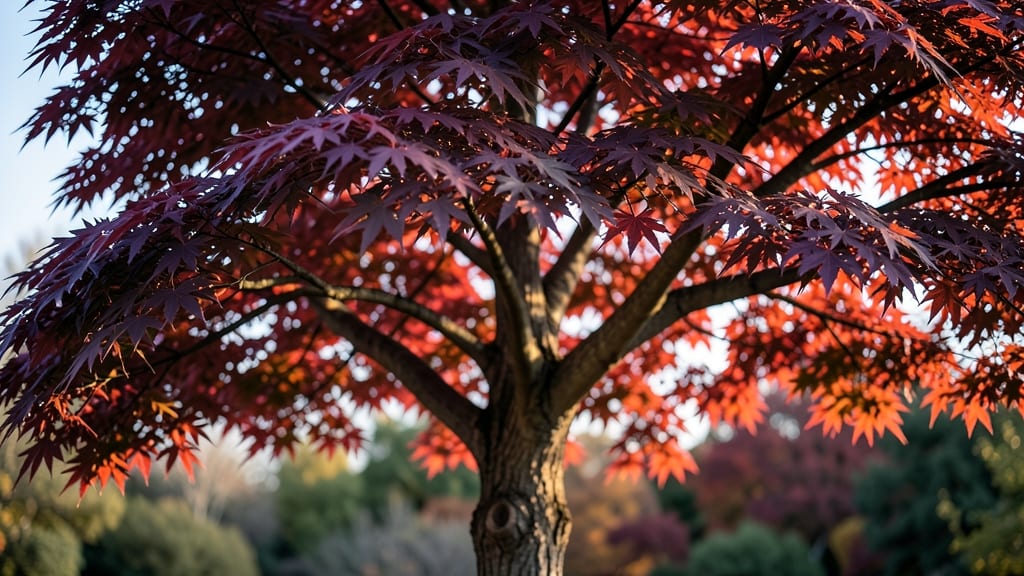
Looking for a maple tree that turns heads all season long? The Freeman Maple delivers with its deep purple foliage that evolves into fiery red, creating a stunning color show from summer through autumn. Unlike traditional maples, this hybrid variety extends its vibrant display longer, making it a standout in modern landscapes.
This disease-resistant cultivar thrives in full sun to partial shade and tolerates a range of soil types, including clay. Its upright growth habit reaches 30-40 feet, making it ideal for focal points or mixed borders. Prune in late winter to maintain shape while encouraging dense branching for maximum color impact.
Perfect for gardeners seeking bold accents without sacrificing hardiness, the Freeman Maple is especially prized in urban settings where space is limited but visual drama is desired. 💚
Moose Maple Tree for Cold Climates
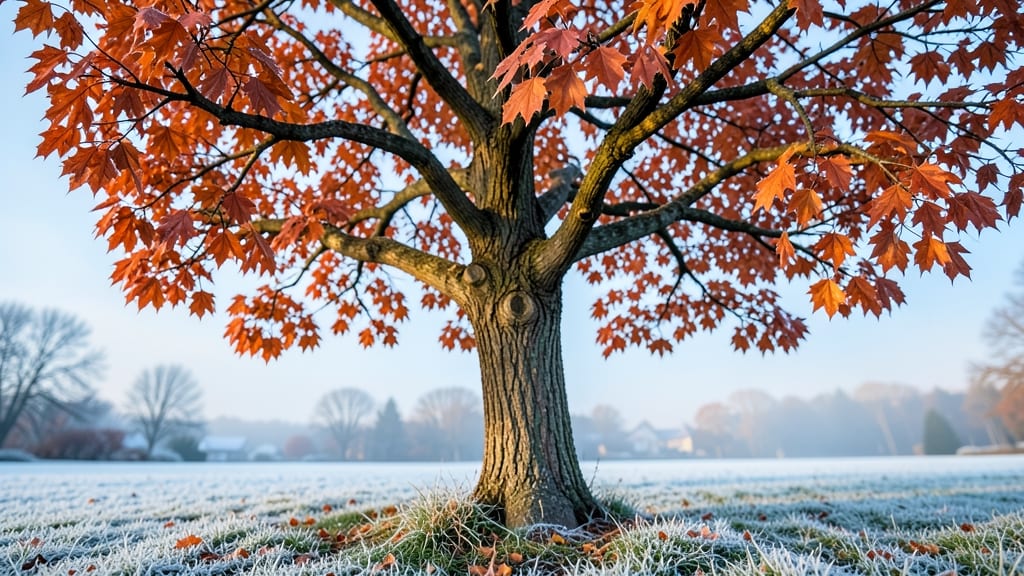
If your garden faces subzero winters that leave other maples gasping, the Moose Maple (Acer rubrum 'Moose') is your unsung hero. This cold-hardy champion thrives in USDA zones 3-6, where traditional maples often succumb to frost damage, yet still delivers stunning orange-red fall colors that rival more delicate species.
Native to northern forests, the Moose Maple grows 40-50 feet tall with a pyramidal shape, making it ideal for windbreaks or focal points in large landscapes. Its leaves emerge bright green, turning fiery shades of orange and red in autumn before dropping cleanly—unlike some maples that cling through winter. Plant it in full sun to partial shade and well-drained soil; it tolerates clay and rocky conditions better than most maples.
Northern gardeners and wildlife enthusiasts will love this low-maintenance workhorse. Its late-season color provides food for birds when other trees have long since shed theirs. 🌟
Manitoba Maple with Compact Growth Habit
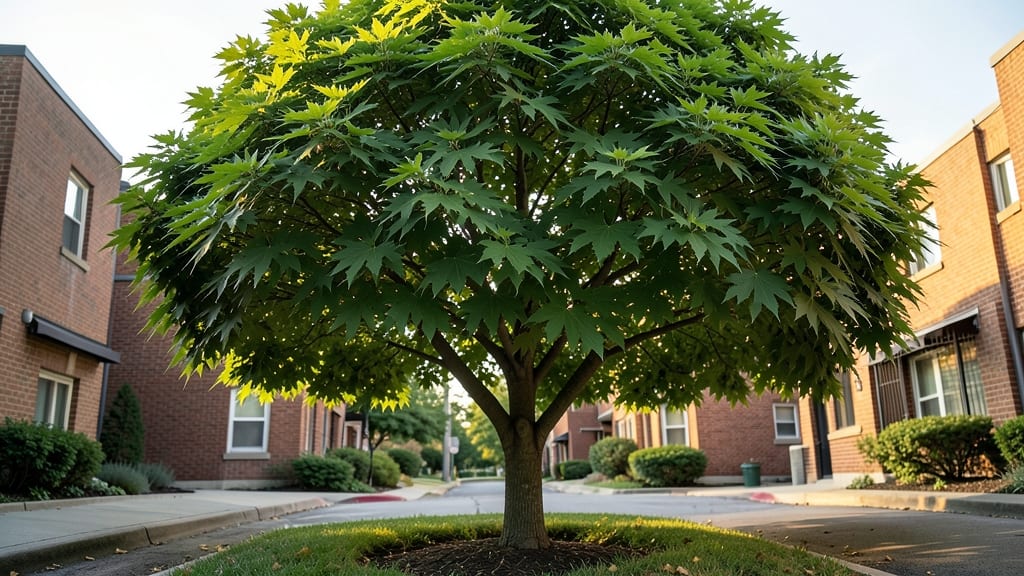
Tired of sacrificing space for stunning foliage? The Manitoba Maple delivers all the classic maple beauty in a compact package, growing just 20-25 feet tall with a spread of 15-20 feet—ideal for urban yards or small properties.
This slow-growing variety maintains its manageable size while still producing the iconic 5-lobed leaves and vibrant autumn colors gardeners love. It thrives in full sun to partial shade and tolerates a wide range of soil types, making it one of the most adaptable maples for city planting.
Perfect for homeowners who want the drama of a maple tree without the sprawling footprint, this variety also handles urban conditions well, including pollution and compacted soil. 🌻
Amur Maple for Disease Resistance

Tired of battling fungal spots and mildew on your maples? The Amur maple (Acer ginnala) is the disease-resistant champion you’ve been waiting for. Unlike many maples prone to anthracnose or powdery mildew, this hardy species thrives even in urban environments with minimal care.
Its small, rounded leaves (just 1–2 inches wide) create a dense canopy that resists pests, while fall colors range from fiery orange to deep purple. Plant it in full sun to partial shade with well-drained soil—it tolerates drought and urban pollution better than most maples. Prune lightly in late winter to maintain shape.
Perfect for gardeners in USDA Zones 3–8, this low-maintenance tree is ideal for small yards, street plantings, or pollinator-friendly landscapes. 💚