
Landscaping
Urban gardeners know space is precious—but with the right vegetable bed layout, you can grow more in less area. These 10 creative designs transform tight balconies, patios, and backyards into high-yield edible gardens, even in containers.
Square Foot Gardening Grid Layout
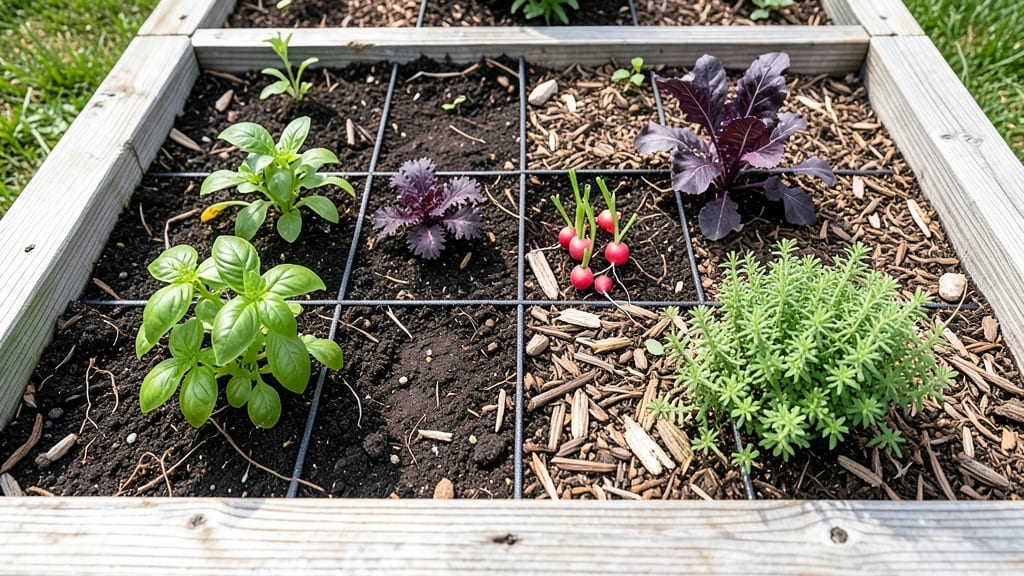
Tired of watching precious garden space go to waste between plants? The square foot gardening grid layout turns your vegetable bed into a high-efficiency puzzle, where every inch works for you. This science-backed system (developed by Mel Bartholomew) divides beds into 1-foot squares, letting you plant the right number of crops per square based on their mature size—not guesswork.
Start by marking your grid with string or wooden stakes, then fill each square with companion crops that support each other (like tomatoes with basil or carrots with onions). The grid also makes crop rotation effortless—simply shift your planting plan each season. For urban gardeners, this layout maximizes yields in small spaces, and the modular design lets you expand or shrink your bed as needed.
Perfect for beginners and space-challenged gardeners, this method ensures no square (or dollar) is wasted. 🌱
Vertical Pallet Herb Garden
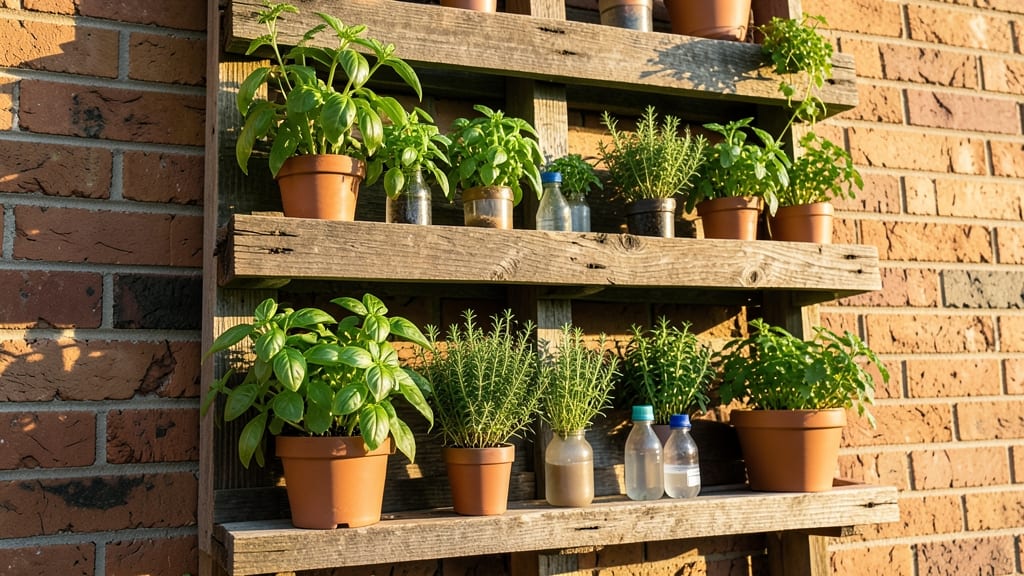
Turn your unused wooden pallets into a vertical herb garden that transforms dead space into a thriving kitchen garden. This 3D growing system lets you grow basil, thyme, and parsley in recycled bottles or small pots while reclaiming wall space—ideal for balconies, patios, or even alleyways.
Start by sanding and sealing the pallet to prevent splinters, then mount it vertically against a fence or wall. Use plastic bottles with drainage holes or shallow pots to hold herbs, arranging them in rows for easy access. Place your pallet in at least 6 hours of sun for sun-loving herbs like basil, or partial shade for parsley and chives. Water from the top to ensure even moisture distribution.
This setup is perfect for urban gardeners with limited floor space—it’s affordable, customizable, and produces fresh herbs year-round with minimal maintenance. Plus, the rustic charm adds character to any small garden. 🌿
Spiral Herb Bed Design
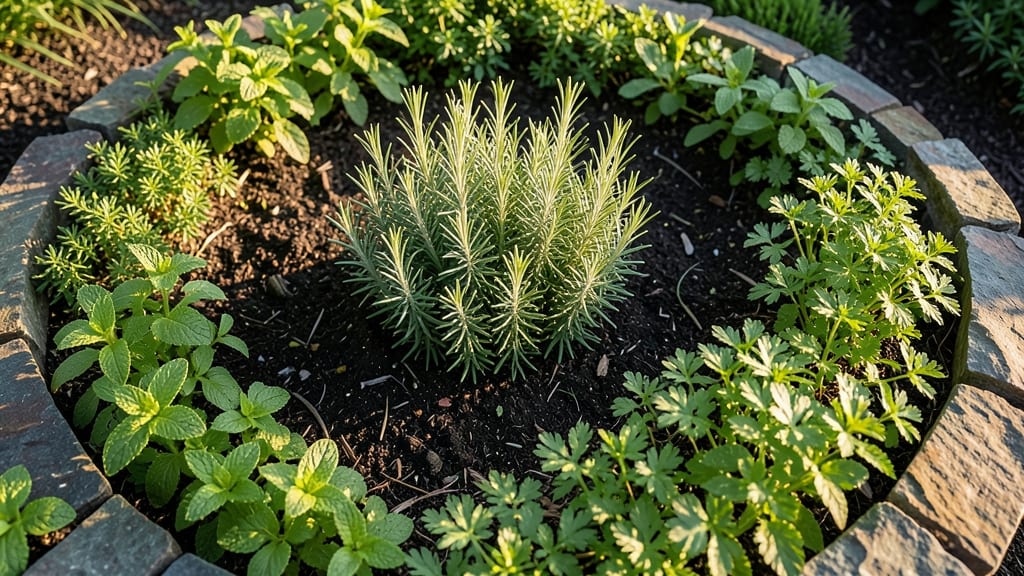
If your urban yard has patches of sun and shade that make traditional herb beds tricky, a spiral herb bed design solves the puzzle by blending microclimates into one harmonious growing space. This organic, swirling shape lets you place sun-loving rosemary at the center while surrounding it with shade-tolerant mint and parsley—all within arm's reach.
Start by creating a 3-4 foot diameter spiral using bricks, stones, or even repurposed wood. Place the most sun-hungry herbs (like thyme or oregano) in the brightest center, then transition to partial-shade varieties (such as chives or cilantro) as you spiral outward. Mulch with straw to retain moisture and suppress weeds, and water at the base to keep roots hydrated without overwatering delicate leaves.
This design is perfect for urban gardeners with limited space and uneven sunlight—it maximizes yield while adding a whimsical, low-maintenance aesthetic to your yard. Plus, the spiral shape naturally guides you through harvesting and pruning. 💚
Raised Wooden Box With Tiered Levels
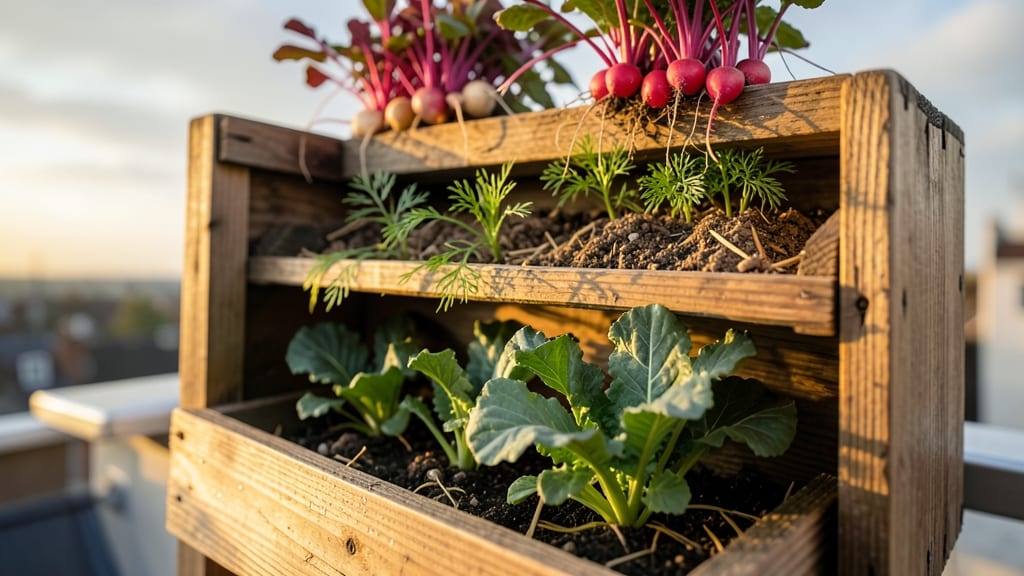
Tired of watching fast-growing crops like radishes bolt while slower varieties like carrots take their sweet time? A raised wooden box with tiered levels solves this by letting you plant different crops at staggered intervals—no more wasted space or missed harvests.
Start with the top tier for quick-maturing crops like bush beans (50-60 days) and lettuce (30-45 days), then drop to the middle for peppers (70-80 days) and eggplants (75-85 days). The bottom level is perfect for root vegetables like carrots (70-80 days) or potatoes (90 days), which need deeper soil. The elevated design also improves drainage, reducing rot risks in heavy clay soils, while keeping your back happy during planting and harvesting.
This system is a game-changer for gardeners with limited space or mobility challenges—no more bending over for hours. Plus, the tiered look adds visual interest to your yard. 🌱
Hanging Pocket Planter System
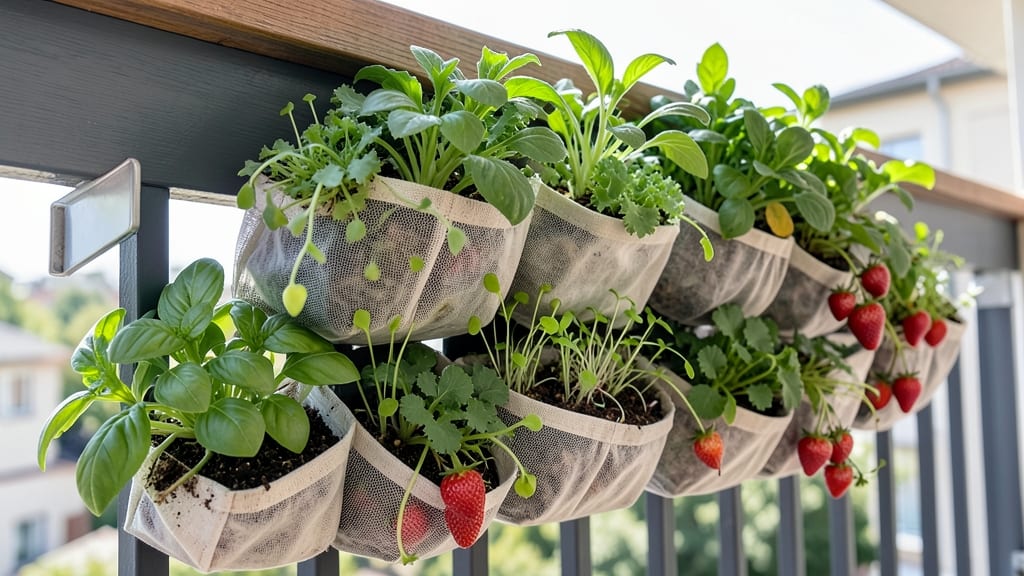
Turn your balcony or patio into a thriving vertical garden with a hanging pocket planter system—the perfect solution for urban gardeners with limited floor space. These wall-mounted fabric pockets let you grow leafy greens, strawberries, and microgreens without sacrificing precious square footage, making them ideal for apartments and small spaces.
Each pocket holds 3-5 gallons of soil, allowing roots to breathe while retaining moisture—critical for drought-tolerant varieties like Swiss chard or kale. The modular design lets you customize layouts, and the fabric material prevents root-bound issues while allowing airflow. For strawberries, choose everbearing varieties to maximize harvests year-round. 🌱
Keyhole Garden With Compost Core
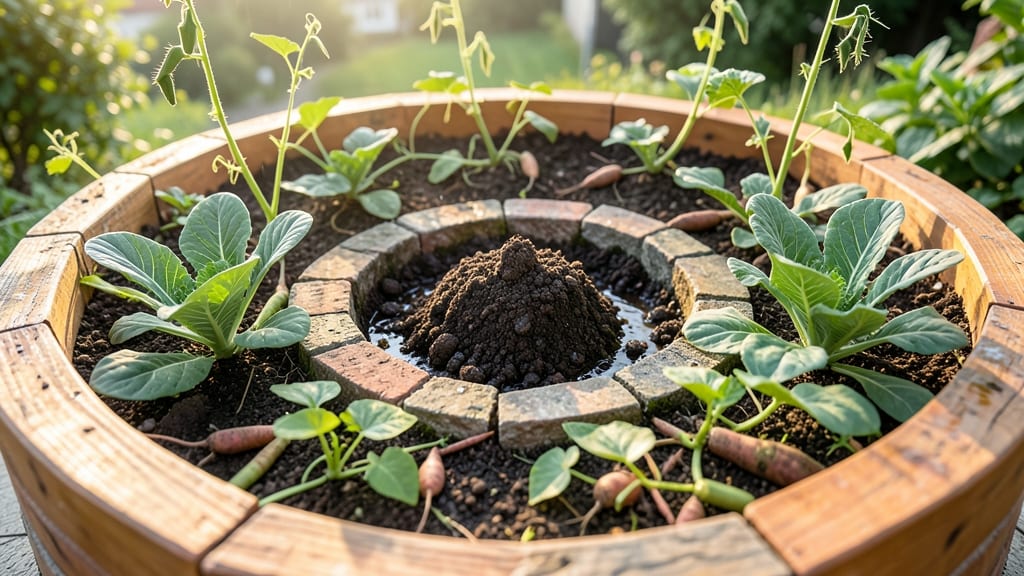
Tired of watering your urban vegetable garden daily? The keyhole garden solves this with a self-fertilizing compost core at its heart—an African-inspired design that keeps soil rich and moisture locked in. This circular bed lets you grow drought-resistant crops like okra, sweet potatoes, and collard greens while cutting water needs by up to 70%.
Build yours with a central basket filled with kitchen scraps, leaves, and grass clippings. Surround it with a ring of stones or bricks to contain the soil, then plant vegetables around the perimeter. The compost core stays moist longer, feeding roots continuously as it breaks down. Perfect for hot, dry climates, this method also suppresses weeds naturally.
Urban gardeners with limited water access will love how this design thrives on neglect—ideal for balconies, rooftops, or small yards where resources are scarce. 🌱
Container Stacking With Drip Irrigation
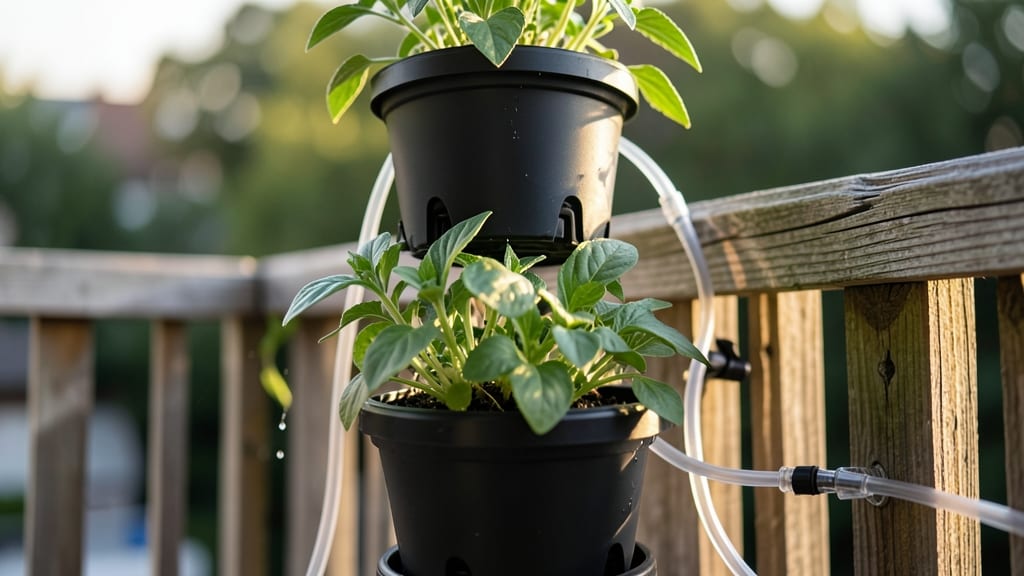
Balcony gardening just got smarter with a modular 5-gallon bucket system that stacks vertically—turning limited space into a high-yield, low-maintenance oasis. This drip irrigation setup ensures every plant gets consistent water, even when you're away, while the stackable design maximizes your tiny footprint.
Start with black fabric grow bags (or repurposed buckets) stacked on sturdy shelves or a DIY metal frame. Install a slow-drip emitter at the bottom of each container, connected to a timer or simple watering can. Plant fast-maturing crops like lettuce, radishes, and peppers in the top tiers—they thrive with frequent watering, while deeper-rooted veggies like tomatoes go in the bottom. The system uses 30% less water than hand-watering and keeps roots aerated.
Perfect for urban gardeners with inconsistent schedules, this setup eliminates guesswork while boosting yields. No more forgotten waterings or uneven growth—just happy plants year-round. 💡
Mandala Vegetable Bed Pattern
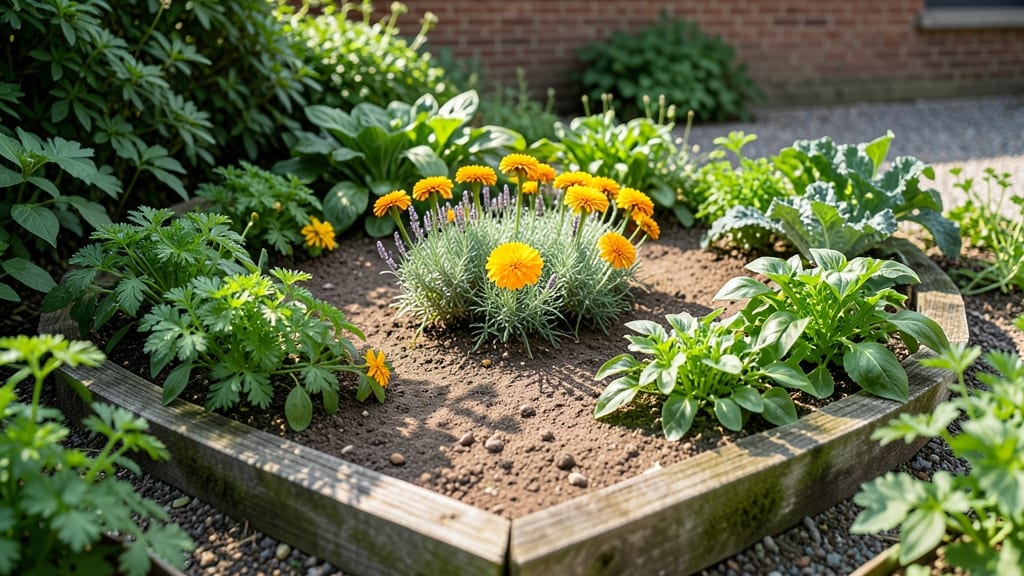
Turn your urban garden into a stunning centerpiece with a mandala vegetable bed—where beauty meets productivity. This circular design maximizes every inch of space by planting densely along the edges while leaving the center for decorative or low-maintenance plants like marigolds or thyme.
The key to success is concentric rings of crops with similar needs. Place sun-loving vegetables like zucchini and tomatoes on the outer rings for maximum light exposure, while shade-tolerant greens (such as lettuce or spinach) thrive closer to the center. Use stepping stones or gravel paths to divide the rings and create a polished look while keeping weeds at bay.
Perfect for small urban yards, patios, or even container gardens, this layout turns heads while boosting your harvest. It’s especially great for gardeners who love aesthetic appeal but still want high yields in limited space. 🌻
Window Box Vegetable Garden
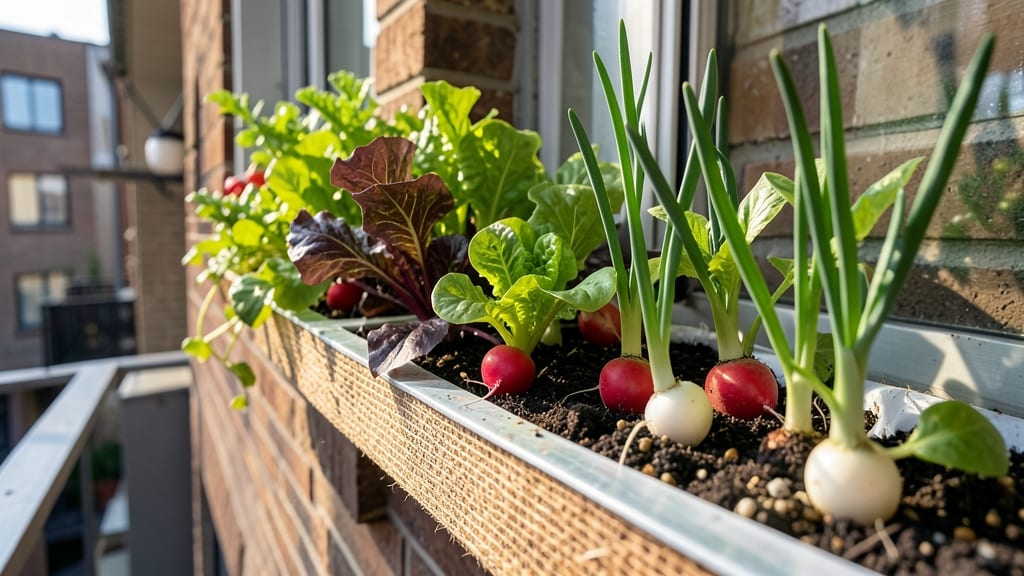
Turn your empty window boxes into a fresh produce powerhouse with shallow-rooted vegetables like lettuce, radishes, and green onions. This overlooked urban gardening spot offers instant visual appeal while providing a steady supply of homegrown greens—perfect for city balconies where space is limited.
Choose lightweight, moisture-retentive soil mixes (like 60% potting soil, 30% compost, and 10% perlite) to prevent root rot in confined spaces. Plant fast-growing radishes (ready in 3-4 weeks) alongside leaf lettuce for continuous harvests, and tuck green onions along the edges for easy access. Position boxes to receive 4-6 hours of sun daily, and use self-watering liners to reduce maintenance.
This solution is ideal for beginners or renters who want edible greens without permanent installations. With minimal investment, you’ll enjoy year-round microgreens and the satisfaction of harvesting from your windowsill. 🌱
Lasagna Garden Bed Technique

If you’ve ever struggled with weedy, water-intensive garden beds, the lasagna garden bed technique is your game-changer. This no-dig method transforms bare soil into a fertile, weed-free growing space in just a few hours—no backbreaking labor required.
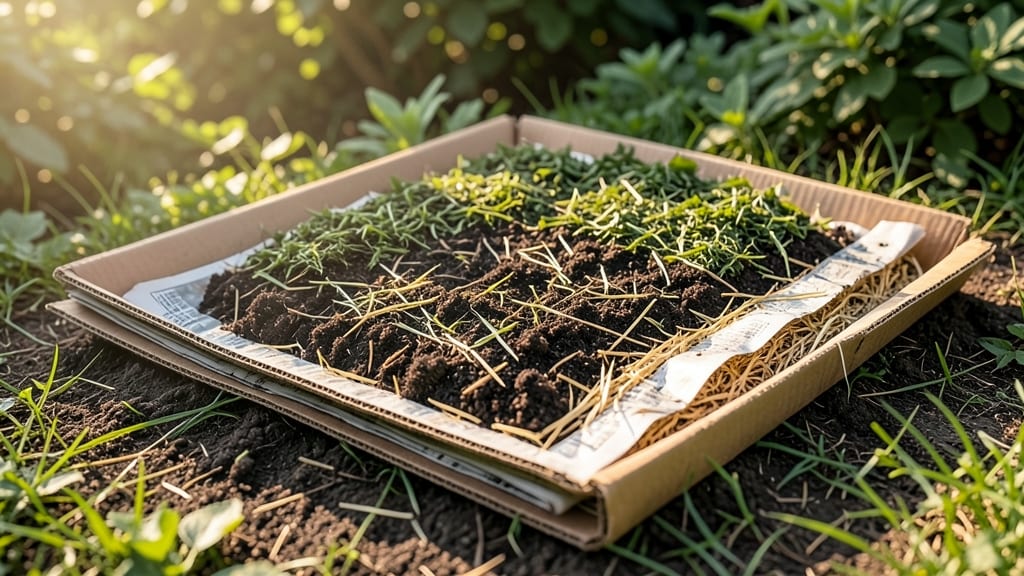
Start by layering cardboard (to smother weeds), followed by compost (for nutrients) and mulch (to retain moisture). The layers break down over time, creating rich soil without tilling. It’s especially effective in urban areas where soil quality is poor or space is limited. Plus, the mulch layer keeps weeds at bay for months, saving you endless pulling sessions.
This technique is ideal for beginners or anyone short on time—just add plants and watch them thrive. 🌱