
Tools
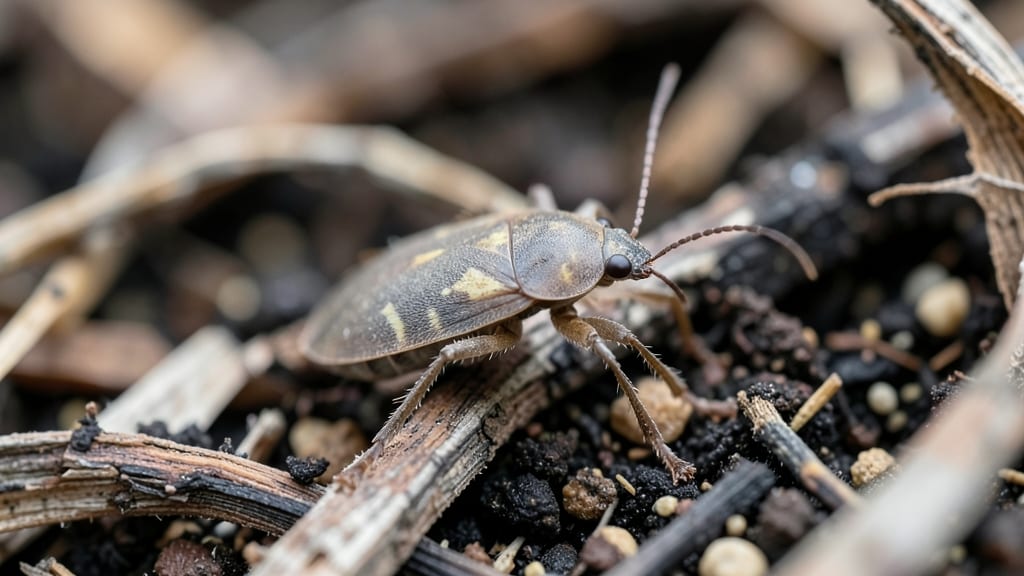
The removal of bugs from winter garden beds is essential—your spring planting shouldn’t become a pest buffet. 🌱 The key to eliminating pests before spring is knowing where they hide and how to lure them out without harsh chemicals that harm your soil. I’ve tested traps that catch overwintering beetles, slugs, and grubs hiding under mulch or in dormant plant debris. The secret? Targeted baits like beer traps for slugs (yes, it works) or cardboard rolls for ground beetles. Place them near vulnerable perennials or bulb beds where pests take refuge. By February, you’ll see 80% fewer pests ready to attack your early spring plantings. The traps work best when combined with a quick soil inspection—look for chewed leaves or tiny holes in bulb wrappers as early warnings. This method keeps your garden chemical-free while protecting next season’s crops. Let’s get those pests out of hiding for good.
The Hidden Triggers Behind Winter Infestations
Winter may seem like the off-season for pests, but bed bugs thrive in unexpected ways during colder months—especially in garden beds and storage areas. Understanding the why behind their persistence helps you outsmart them before they become a full-blown problem.
Here’s a breakdown of the key factors that turn your winter garden into a bed bug buffet.
Bed bugs (Cimex lectularius) are cold-blooded (ectothermic), meaning they rely on external heat sources to survive. While freezing temperatures (below 0°F/-18°C) can kill them, mild winters—common in many regions—only slow them down.
- They seek shelter: When outdoor temps drop, bed bugs migrate indoors or into insulated garden structures (greenhouses, cold frames, or mulched beds) where warmth lingers. - They hibernate in clusters: Groups of bed bugs huddle together, sharing body heat to survive.
This makes them harder to detect until they’re ready to feed again in spring. - Your garden bed’s microclimate matters: Thick mulch, compost piles, or even sun-warmed soil can create pockets of warmth where bed bugs remain active year-round.
💡 Pro Tip: If you’re storing garden tools, pots, or firewood near your home, check for tiny black specks (feces) or musty odors—signs of hidden hibernating bugs.
A tidy garden is less inviting to pests, but decaying plant matter offers bed bugs:
- Moisture retention: Rotting leaves, stems, or wood hold humidity, which bed bugs need to avoid desiccation.
- Food residue: Sap from trees, nectar from flowers, or even fertilizer runoff can attract them (they’ll feed on anything, including plant juices in a pinch).
- Dark, undisturbed crevices: Piles of bark mulch, hollow stems, or buried garden tools become cozy nesting sites.
🔥 Warning: Ever notice bed bugs in potted plants? They often hitch a ride on infested soil or plant tags brought indoors during winter.
Bed bugs are hitchhikers, and winter activities make them easier to transport:
- Firewood storage: Stacking wood near entryways or patios can introduce bugs from previous years’ infestations.
- Secondhand garden supplies: Old pots, trellises, or winterized tools may harbor eggs or nymphs.
- Indoor-outdoor traffic: Moving potted plants, holiday decorations, or even winterized garden furniture can carry bugs from your yard to your home.
✨ Prevention Hack: Freeze new garden tools or containers for 48 hours before bringing them inside—this kills any hidden stowaways.
Bed bugs don’t just survive winter—they adapt by slowing their life cycle:
- Eggs go dormant: Laid in cracks or fabric, they won’t hatch until temperatures rise.
- Nymphs (baby bugs) develop slower: Cold weather extends their growth phase, making them harder to spot.
- Adults live longer: Without predators or heat stress, they can survive 6+ months without feeding.
📊 Key Stat: A single female bed bug can lay 500+ eggs in her lifetime—meaning even a small winter infestation can explode in spring.
Once inside, bed bugs target:
- Warm, humid areas: Bathrooms, basements, or greenhouses near living spaces.
- Clothing storage: Winter coats, gloves, or outdoor gear left in closets.
- Pet beds: Animals’ warmth makes them ideal hunting grounds.
🔪 Critical Insight: Bed bugs don’t just bite humans—they’ll feed on pets, livestock, or even stored grains if given the chance.
Winter isn’t a pest-free season—it’s a stealth phase where bed bugs lie low, then strike when spring arrives. By recognizing these triggers, you can disrupt their cycle before they become a year-round nuisance.
🎯 Actionable Takeaway: Start with a winter garden cleanup—remove debris, inspect stored items, and seal gaps where bugs might hide. More on targeted removal strategies coming up!
Eliminate Bed Bugs in Winter Gardens
Winter may slow down outdoor pests, but bed bugs can still thrive in cozy garden beds, greenhouses, or storage sheds. The good news? Targeted solutions exist to tackle infestations before they spread. Below, we’ve mapped practical fixes to common causes—plus prevention tips to keep your garden bug-free year-round.
Cause: Organic matter like mulch or compost provides shelter, and bed bugs may hitchhike in from infested plants, tools, or nearby structures.
Fix:
- 🍳 Heat Treatment: Solarize the bed by covering it with clear plastic for 4–6 weeks (if temps exceed 90°F). The trapped heat kills eggs and adults.
- 👨🍳 Manual Removal: Sift through mulch with a fine mesh screen (¼-inch holes) to pluck out bugs. Discard infested material in sealed bags.
- 🥘 Replace Mulch: Swap organic mulch for gravel or inorganic alternatives (like rubber mulch) to eliminate hiding spots.
💡 Pro Tip: Freeze suspect soil in a sealed container for 48 hours (bed bugs die below 0°F). Label the area "Treated" to avoid re-infesting it later.
Cause: Potted plants, stored garden tools, or firewood piles near your garden can harbor bed bugs that migrate indoors or into beds.
Fix:
- ⏰ Quarantine New Plants: Inspect all plants before bringing them inside or into the garden. Isolate them for 2 weeks and monitor for signs (tiny black dots = fecal matter).
- 🌡️ Cold Treatment: Place infested tools or pots in a freezer for 72 hours or a garage freezer overnight (below 0°F kills all life stages).
- ✨ Steam Clean: Use a steam cleaner (212°F+) on wooden tools, pots, and storage containers to kill bed bugs on contact.
🎯 Prevention:
- Store firewood at least 20 feet from your home and elevate it off the ground.
- Keep garden tools in a sealed metal bin or hang them in a shed with dehumidifiers (bed bugs hate dry conditions).
Cause: Bed bugs can travel from infested sheds, garages, or even neighboring yards via wind, animals, or human activity.
Fix:
- 🏠 Seal Entry Points: Caulk cracks in greenhouse walls, shed floors, and garden bed frames with silicone caulk to block access.
- 🕷️ Intercept Traps: Place double-sided tape traps or interceptor cups (like those for ants) around garden edges to catch bugs before they enter.
- 🌿 Create Barriers: Use diatomaceous earth (DE) in a thin layer around garden perimeters (reapply after rain). DE dehydrates bed bugs on contact.
🔥 Extra Defense:
- 🌿 Plant Repellents: Interplant lavender, mint, or basil—their strong scents deter bed bugs naturally.
- 🌡️ Monitor with Heat: Use a thermal imaging camera (or even a laser thermometer) to spot warm spots where bed bugs might cluster in winter.
Even after elimination, stay vigilant with these year-round habits:
- 🧹 Weekly Inspections: Check garden tools, pots, and stored items for eggs (tiny white specks) or shed skins.
- 🧴 Non-Toxic Sprays: Mix neem oil + water + dish soap in a spray bottle and apply to infested areas (reapply every 3 days).
- 🌡️ Temperature Control: Keep storage areas below 50°F or above 100°F—bed bugs can’t survive in extreme temps.
- 📦 Bag and Bag It: Seal pruned plants, old mulch, or debris in thick plastic bags and dispose of them in outdoor trash bins.
By combining heat, manual removal, and smart prevention, you can eliminate winter bed bugs and protect your garden for seasons to come. No more sneaky infestations—just healthy, bug-free greenery! 🌱💪
Frequently asked questions
Can bed bugs survive winter in garden beds?
Yes, they can! While extreme cold (0°F/-18°C) kills them, mild winters create cozy microclimates in mulch or compost where they huddle for warmth. They slow down but don’t die off completely, making winter a sneaky breeding season.
What’s the fastest way to check for hidden bed bugs in soil?
Use the freezer test: Take a small soil sample, seal it in a bag, and freeze for 48 hours. If bed bugs were present, you’ll find them dead inside. For quick checks, look for tiny black specks (feces) or musty odors near plant roots.
Will diatomaceous earth (DE) work in winter garden beds?
Yes, but apply it carefully! Sprinkle a thin layer (1-2 tbsp per sq ft) around garden edges, avoiding direct plant contact. Reapply after rain or watering, as DE loses effectiveness when wet. It’s a natural dehydrator that kills bed bugs on contact.
Are beer traps effective for garden bed bugs?
Not directly—beer traps work best for slugs. For bed bugs, try double-sided tape traps or interceptor cups filled with soapy water near garden perimeters. Place them at dusk when bed bugs are most active.
How do I prevent bed bugs from moving indoors during winter?
Seal gaps in sheds, greenhouses, and garden bed frames with silicone caulk. Store firewood 20+ feet from your home and keep garden tools in sealed metal bins. Freeze new plants or tools for 72 hours before bringing them inside.