
Tools
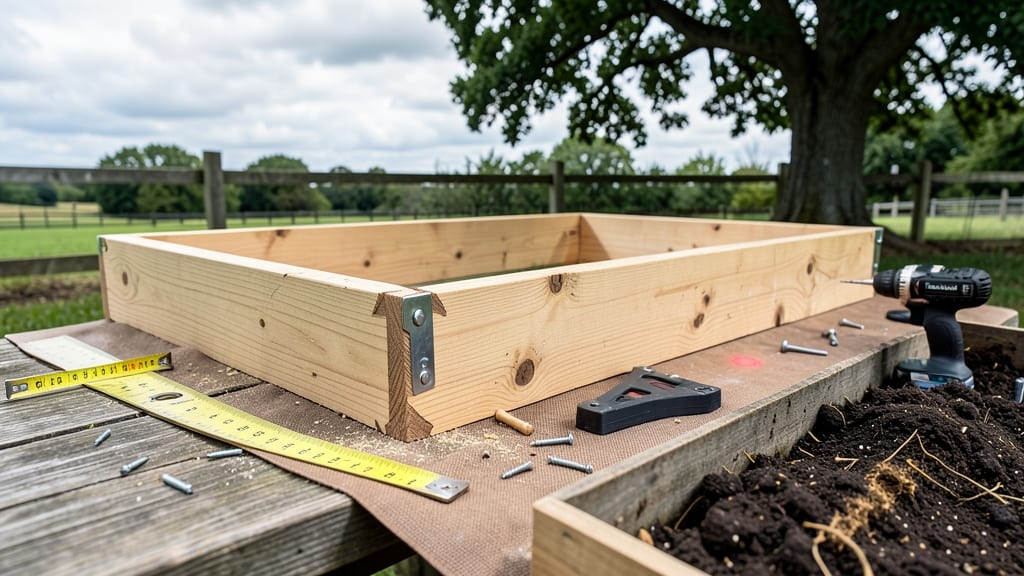
Planning a 2x4 raised garden bed with 4-foot depth lets you grow deep-rooted veggies like never before—without the backache of bending over.
Picture this: potatoes the size of your fist, carrots so long they need a measuring tape, and squash sprawling happily—all while your knees stay dry. The secret? A sturdy, deep bed built just right, and I’ve got the exact blueprints to make it happen.
You don’t need fancy tools or a degree in carpentry—just a few 2x4s, some screws, and a weekend. I’ll walk you through the materials, cut lists, and assembly tricks that keep your bed from warping or leaning, plus how to tweak the design for your space.
By the end, you’ll have a customizable bed that’s ready for planting, with tips to make it last years—no rot, no sag, just healthy soil and happy plants. Let’s build something that grows with you.
How to build a 2x4 raised garden bed with 4-Foot depth
A 4-foot-deep 2x4 raised garden bed is a game-changer for growing deep-rooted vegetables like potatoes, carrots, and squash. The extra depth gives roots room to spread while keeping your back happy—no more bending over!
This guide walks you through every step, from materials to assembly, so you can build a sturdy, long-lasting bed that’s ready for planting in just a weekend. Whether you’re a beginner or a seasoned gardener, these 2x4 raised garden bed plans simplify the process with clear instructions and pro tips.
Before you start, know that a 4-foot depth is ideal for most vegetables, offering enough space for root crops while maintaining proper drainage. You’ll need untreated pressure-treated lumber (to avoid chemicals leaching into soil) and basic tools like a saw, drill, and screws.
The key is using corner braces or notched joints to ensure stability—especially if your bed will be taller than 12 inches. Let’s dive into the step-by-step process to build your dream raised bed.
Step-by-Step Guide to Building Your 2x4 Raised Garden Bed
- Step 1: Gather Materials
- 8 pieces of 2x4 lumber (each 8 feet long)
- 4 pieces of 4x4 lumber (for corner posts, 12" tall)
- 2.5-inch exterior deck screws (100+)
- Galvanized corner braces (4)
- Landscape fabric (to line the bottom)
- Step 2: Cut the 2x4s
- Cut 4 pieces at 4 feet (for the bed’s length)
- Cut 4 pieces at 8 feet (for the bed’s width)
- Double-check measurements to ensure a 4x8-foot bed.
- Step 3: Assemble the Frame
- Lay two 8-foot 2x4s parallel on the ground.
- Attach the 4-foot 2x4s at each end using 3 screws per corner.
- Repeat for the second layer to create a double-walled bed (optional for extra stability).
- Step 4: Reinforce Corners
- Attach 4x4 corner posts to each corner using 4 screws per post.
- Add galvanized corner braces for extra wind resistance.
- Step 5: Add Landscape Fabric
- Line the inside bottom with landscape fabric to prevent weeds.
- Secure with staples or rocks to keep it in place.
- Step 6: Fill with Soil
- Add 12 inches of cardboard (optional, to block weeds).
- Fill with a mix of topsoil, compost, and perlite (4-foot depth total).
One of the biggest mistakes I see is using untreated wood that hasn’t been properly sealed. Always opt for pressure-treated lumber labeled "ground contact" to prevent rot and chemical leaching. If you’re building a taller bed (over 12 inches), consider adding horizontal supports halfway up the sides for extra stability.
This is especially important if you plan to grow heavy plants like squash or pumpkins.
For drainage, ensure the bottom of your bed isn’t completely sealed. Leave small gaps between the 2x4s or use a perforated drainage board to allow excess water to escape. Poor drainage can lead to root rot, especially for plants like carrots and potatoes, which thrive in well-draining soil.
If your garden gets heavy rainfall, consider adding a drip irrigation system to keep moisture levels consistent without overwatering.
Pro tip: If you’re building multiple beds, space them at least 3 feet apart to allow for easy access and airflow. This also makes it simpler to move between beds when tending to your plants. Once your bed is built, let it sit for a few weeks before planting.
This gives the wood time to settle and allows any residual chemicals to dissipate. Fill the bed with a rich soil mix—aim for a blend of 60% topsoil, 30% compost, and 10% perlite or sand—to give your plants the best start.
Finally, don’t forget to mulch the top of your bed with straw or wood chips. This helps retain moisture, suppress weeds, and regulate soil temperature. Mulching also adds organic matter as it breaks down, enriching the soil over time.
With your 4-foot-deep raised bed ready, you’re all set to grow a bounty of vegetables, herbs, and flowers—without the backache!
Ready to get started? Grab your tools, follow these steps, and soon you’ll have a sturdy, long-lasting raised garden bed that’s perfect for your deepest-rooted dreams. Happy building! 🌱
Free 2x4 raised garden bed blueprints for different sizes
A 2x4 raised garden bed offers the perfect balance of affordability and functionality, with 4-foot depth ideal for deep-rooted crops. Whether you need a 4x8-foot bed for a family garden or a 4x12-foot plot for maximum yield, these free blueprints provide precise measurements and assembly instructions.
I’ve included reinforcement techniques to handle wind and weather, ensuring your bed lasts for years.
Below are three customizable plans: a 4x8-foot classic, a 4x12-foot extended bed, and a custom-size option for unique spaces. Each plan includes a cut list, corner joinery methods, and reinforcement details to prevent warping or shifting over time. Grab your tape measure and lumber—let’s build!
| Bed Size | Lumber Needed (2x4s) | Corner Joinery | Reinforcement | Soil Depth |
|---|---|---|---|---|
| 4x8 ft | 12 pieces (8 ft long) | Pocket holes or screws | Metal corner braces | 12-18 inches |
| 4x12 ft | 16 pieces (8 ft + 4 ft long) | Notched corners + screws | Screws + landscape screws | 12-18 inches |
| Custom Size | Adjust based on length/width | Choose your method | Add internal bracing | 12-18 inches |
For the 4x8-foot bed, you’ll need 12 pieces of 8-foot-long 2x4s. Use pocket hole screws or deck screws for corner joinery, and add metal corner braces for extra stability. This size is perfect for 4-6 plants of deep-rooted crops like potatoes or squash.
If you’re going bigger with a 4x12-foot bed, add 4 extra 4-foot-long 2x4s for the longer sides. Use notched corners with screws for a seamless look, and reinforce with landscape screws every 18 inches. This bed can handle 8-12 plants or a mix of vegetables and herbs.
For custom sizes, adjust the lumber length accordingly. If your bed exceeds 8 feet in length, add internal bracing every 4 feet to prevent sagging. For example, a 6x10-foot bed would need 14 pieces (6x 6 ft + 2x 10 ft) and extra reinforcement at the center.
Pro tip: Treat your 2x4 lumber with cedar oil or linseed oil before assembly to protect against rot and pests. This small step extends your bed’s lifespan by 3-5 years.