
How To
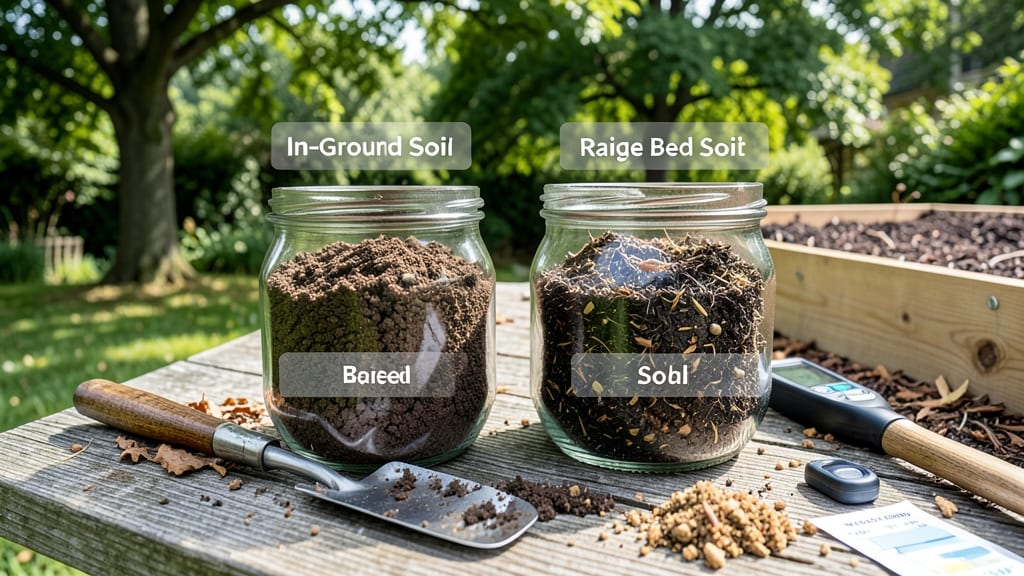
The difference between in-ground and raised bed soil changes everything about how your plants grow. 🌱 I've seen struggling tomatoes thrive in raised beds while withering in the same soil just a few feet away—it's not just luck, it's the soil.
Raised beds warm up faster in spring, drain better, and let you control the mix, while in-ground soil stays cooler, holds moisture longer, and often needs serious amending to perform well.
Raised bed soil is your blank canvas: you build it with compost, aged manure, and perlite for perfect drainage and nutrient retention. In-ground soil, though, is what nature gave you—sometimes rich, often compacted or clay-heavy.
The right raised bed mix gives roots room to breathe, while in-ground soil might need years of compost tea or gypsite to loosen up. Both have their strengths, but raised beds win for precision and control.
Your plants will show you the difference almost immediately. Raised beds produce faster in spring, support deeper root systems, and let you grow almost anything—even heavy feeders like corn or squash.
In-ground beds shine with perennials and deep-rooted shrubs that benefit from the stable moisture. The key is matching your soil strategy to what you're growing and where your space allows it.
Here's the real secret: you don't have to choose. Many gardeners use raised beds for vegetables and in-ground spaces for perennials, creating the perfect setup for their yard. The soil difference isn't about which is better—it's about which works better for your plants, your space, and your gardening goals.
The first product explained
Meet EcoGrow Premium Raised Bed Soil Mix—your game-changing companion for thriving raised garden beds! 🌱🌿 Designed specifically for elevated planters, this nutrient-rich blend is engineered to outperform standard in-ground soil, giving your plants the perfect foundation for growth.
Whether you're a seasoned gardener or just starting, this product is your secret weapon for lush, healthy plants.
🔍 Key Specs & Features
EcoGrow isn’t just another soil mix—it’s a powerhouse packed with:
- Perfect Drainage: Optimized for raised beds to prevent waterlogging, ensuring roots stay aerated and happy.
- Nutrient-Dense Formula: Blended with compost, worm castings, and slow-release fertilizers for sustained plant health.
- pH-Balanced: Ideal range of 6.0–7.0 to support a wide variety of plants, from veggies to flowers.
- Lightweight & Easy to Handle: No heavy lifting—this mix is designed for effortless filling and amending.
- Weed & Pest Resistant: Sterilized to minimize unwanted guests in your garden.
🎯 Who Is It For?
This product is a must-have for:
- Raised Bed Gardeners: Perfect for those who want to maximize space and control soil quality.
- Urban Farmers: Ideal for balconies, rooftops, or small yards where in-ground planting isn’t an option.
- Organic Enthusiasts: Made with natural, eco-friendly ingredients that align with sustainable gardening.
- Beginners & Experts Alike: Simple to use, but packed with benefits that even seasoned growers will appreciate.
💰 Price Point & Value
Priced at $29.99 for a 40lb bag, EcoGrow delivers unbeatable value. While it may seem like an investment upfront, the long-term benefits—like healthier plants, higher yields, and less soil maintenance—make it a steal. Plus, one bag covers most standard 4’x8’ raised beds, so you won’t need to repurchase often!
💡 Pro Tip: Mix EcoGrow with a bit of perlite or vermiculite for even better aeration if you’re growing heavy feeders like tomatoes or peppers!
The second product explained
Next up, let’s dive into Product B: BioGro Raised Bed Soil Mix—a premium, all-purpose blend designed to give your raised beds the perfect head start! 🌱 Whether you're a seasoned gardener or just starting your green thumb journey, this soil mix is engineered to simplify your gardening life while maximizing plant health.
🌿 Key Specs & Features
BioGro Raised Bed Soil Mix is a premium, lightweight, and nutrient-rich blend that’s specifically formulated for raised garden beds. Here’s what makes it stand out:
- Composition: A balanced mix of coconut coir, composted bark, peat moss, perlite, and organic fertilizers for optimal drainage, aeration, and moisture retention.
- pH Level: Slightly acidic to neutral (6.0–7.0), ideal for most vegetables, herbs, and flowers.
- Organic Matter: 40–50% organic content ensures slow-release nutrients for steady plant growth.
- Weed & Pest Control: Sterilized to eliminate weeds and pathogens, reducing the need for harsh chemicals.
- Weight & Coverage: 40 lbs covers ~1 cubic foot, making it easy to transport and use in modular or large raised beds.
👩🌾 Who Is This For?
BioGro is perfect for:
- Gardening newbies who want a hassle-free, high-quality soil mix without the guesswork.
- Urban gardeners with raised beds or containers needing lightweight, fast-draining soil.
- Organic growers prioritizing chemical-free, sustainable ingredients.
- Plant enthusiasts growing vegetables, herbs, strawberries, or flowers that thrive in well-aerated soil.
💰 Price Point & Value
Priced at $19.99 for a 40 lb bag, BioGro offers exceptional value for its quality and convenience. While it’s slightly more expensive than generic soil mixes, the long-term benefits—faster plant growth, fewer amendments needed, and reduced watering—make it a smart investment.
Plus, one bag can fill a 4’x4’ raised bed up to 2 inches deep, stretching your budget further.
💡 Pro Tip: Mix BioGro with a handful of worm castings for extra microbial activity and nutrient boost!
Head-to-head comparison
🌱 Performance: Which Soil Type Wins for Plant Growth?
When it comes to nurturing your plants, soil performance is everything! Let’s break down how in-ground and raised bed soils stack up in key areas:
- Drainage:
In-ground soil often retains moisture longer, which can be a double-edged sword—too much water can lead to root rot. Raised beds, however, drain faster due to their elevated structure and the ability to mix in amendments like perlite or sand.
This makes them ideal for plants that hate soggy roots, like herbs or strawberries. 💧
- Nutrient Retention:
Raised beds win here because you can customize the soil mix with compost, worm castings, or organic matter. In-ground soil relies on what’s already in the earth, which might be depleted or compacted over time. If your yard soil is clay-heavy or sandy, raised beds give you full control. 🌿
- Temperature Regulation:
Raised beds warm up faster in spring and stay warmer longer in fall, giving you a longer growing season. In-ground soil is more influenced by ground temperature, which can delay planting. For cool-season crops like lettuce or peas, raised beds are a game-changer! ⏳
- Weed and Pest Control:
Raised beds naturally suppress weeds because they’re contained and often mulched. In-ground gardens require more weeding and may attract pests like gophers or grubs. Raised beds also make it easier to spot and remove pests early. 🐜
🛠️ Features: What’s Under the Surface?
Beyond soil, the physical setup of each garden type plays a huge role in usability and flexibility.
- Soil Customization:
Raised beds let you design your own soil profile—layering compost, topsoil, and amendments for optimal growth. In-ground soil is what you’ve got, unless you’re willing to dig and amend deeply (which is a lot of work!). 🏗️
- Accessibility:
Raised beds are easier on your back—no bending or kneeling for long periods. They’re also great for urban gardeners with limited space or poor soil. In-ground gardens require more physical effort but offer a traditional, sprawling feel. 🦵
- Crop Rotation:
Raised beds make crop rotation simpler because you can move plants around or even relocate the bed itself. In-ground gardens require more planning to avoid depleting nutrients in one spot. 🔄
- Erosion Control:
In-ground gardens are more susceptible to erosion, especially on slopes. Raised beds prevent soil loss and keep nutrients contained. Plus, they’re less likely to get compacted by foot traffic. 🌪️
💰 Price: Initial Costs and Long-Term Savings
Let’s talk money—because let’s be real, your wallet matters!
| Factor | In-Ground Soil | Raised Bed Soil |
|---|---|---|
| Initial Setup Cost | Low to moderate (if you already have good soil). High if you need to amend or till deeply. | Moderate to high (materials like wood, bricks, or metal frames add up). |
| Soil Amendments | Ongoing cost if your soil is poor (compost, fertilizer, etc.). | One-time or occasional cost—you control the soil quality from the start! |
| Maintenance Costs | Lower (no need to replace materials), but may require more labor (weeding, tilling). | Higher over time (frames may need repairs, soil may need replenishing). |
| Water Usage | May require more watering if soil drains too quickly or retains too much moisture. | Often more efficient—better drainage means less waste. |
💡 Pro Tip: If you’re on a budget, start with one raised bed and use in-ground space for perennials or low-maintenance plants like asparagus or rhubarb!
🏗️ Durability: How Long Will Your Garden Last?
Think long-term—how much upkeep will your garden require over the years?
- Soil Degradation:
In-ground soil can deplete over time, especially if you plant heavy feeders like tomatoes or corn. Raised beds hold up better because you can refresh the soil mix as needed. 🌱
- Structure Longevity:
In-ground gardens are permanent (unless you’re moving), but soil quality may decline. Raised beds may need repairs (e.g., rotting wood, rusted metal) but can last 10+ years with proper care. 🔨
- Climate Resistance:
Raised beds handle extreme weather better—they won’t flood like in-ground gardens in heavy rains and stay warmer in cold climates. In-ground soil is more vulnerable to frost heave or erosion. ❄️🌧️
- Mobility:
Need to move your garden? Raised beds win again—you can relocate them (with some effort). In-ground gardens are stuck in place! 🚛
🌿 Eco-Friendliness: Which is Greener?
If sustainability is a priority, here’s how each option measures up:
- Water Conservation:
Raised beds often require less water due to better drainage and mulch retention. In-ground gardens may need more frequent watering, especially in dry spells. 💧
- Chemical Use:
Raised beds reduce the need for pesticides and fertilizers because you control soil health and pests are easier to manage. In-ground gardens may need more interventions if soil is poor. 🚫🧪
- Biodiversity:
In-ground gardens support more underground ecosystems (earthworms, microbes). Raised beds can still foster biodiversity but may lack the depth for deep-rooted plants. 🐛🌍
- Material Impact:
If you use untreated wood or recycled materials for raised beds, they can be eco-friendly. Avoid pressure-treated wood (which may contain chemicals). In-ground gardens have zero material waste but depend on existing soil quality. ♻️
Which one should you choose?
So, which soil setup is right for you? The answer depends on your gardening goals, budget, and space—let’s break it down to help you decide!
🌱 Choose In-Ground Soil If...
- You’re on a budget: In-ground soil is the most cost-effective option, requiring minimal upfront investment beyond basic amendments.
- Your soil is already high-quality: If your native soil drains well, retains moisture, and has good organic matter, in-ground planting can yield fantastic results with less effort.
- You have space and patience: In-ground beds are ideal for large-scale gardening, perennial plants, or crops like root vegetables that thrive with deep soil.
- You enjoy DIY projects: Amending soil is a hands-on process—great if you love improving your garden’s health over time!
🏡 Opt for Raised Beds If...
- Your soil is poor or compacted: Raised beds give you full control over soil composition, making them perfect for clay-heavy, sandy, or rocky native soil.
- You have limited space or mobility issues: Raised beds reduce bending and are great for small yards, balconies, or urban gardens.
- You want faster, easier gardening: No tilling, fewer weeds, and warmer soil in spring mean quicker planting and harvesting.
- You’re growing delicate or high-value crops: Better drainage and temperature regulation protect plants like strawberries, herbs, or flowers from rot or stress.
- You’re new to gardening: Raised beds simplify soil management and reduce common mistakes (like overwatering or poor drainage).
💡 Pro Tip: Why not combine both? Use raised beds for vegetables, flowers, or herbs while keeping in-ground space for perennials, shrubs, or large plants like fruit trees. The best garden often blends the two!
Final Thought: There’s no one-size-fits-all answer—just what works for your garden’s needs. Start small, experiment, and adjust as you go. Happy planting! 🌿