
Companion Plants
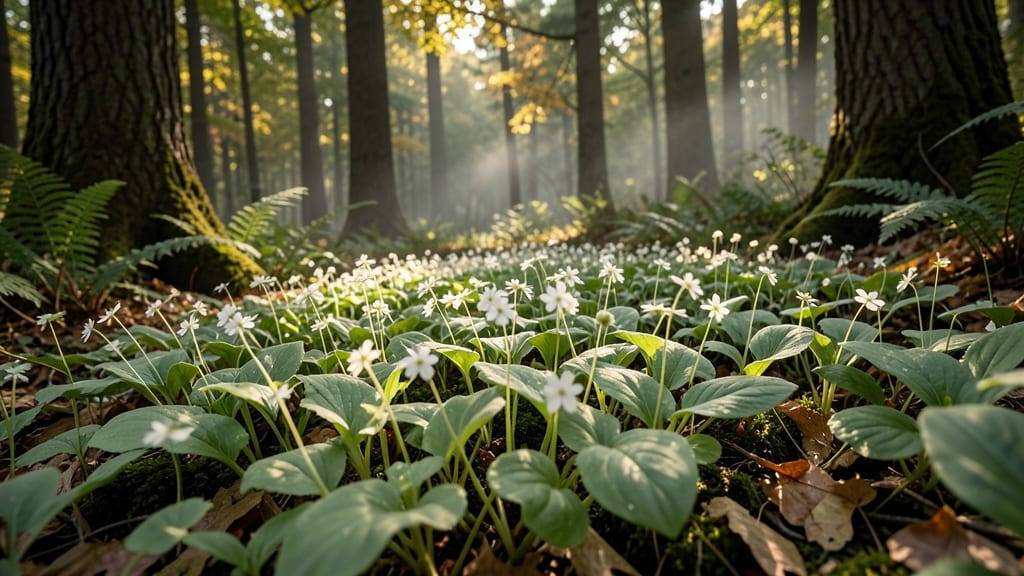
Struggling to create vibrant flower beds in shady spots? These 10 shade-tolerant plants thrive where sunlight is scarce, offering lush blooms and foliage that transform dark corners into stunning garden highlights. Perfect for gardeners with partial or full shade challenges.
Hostas for Lush Green Foliage Year-Round
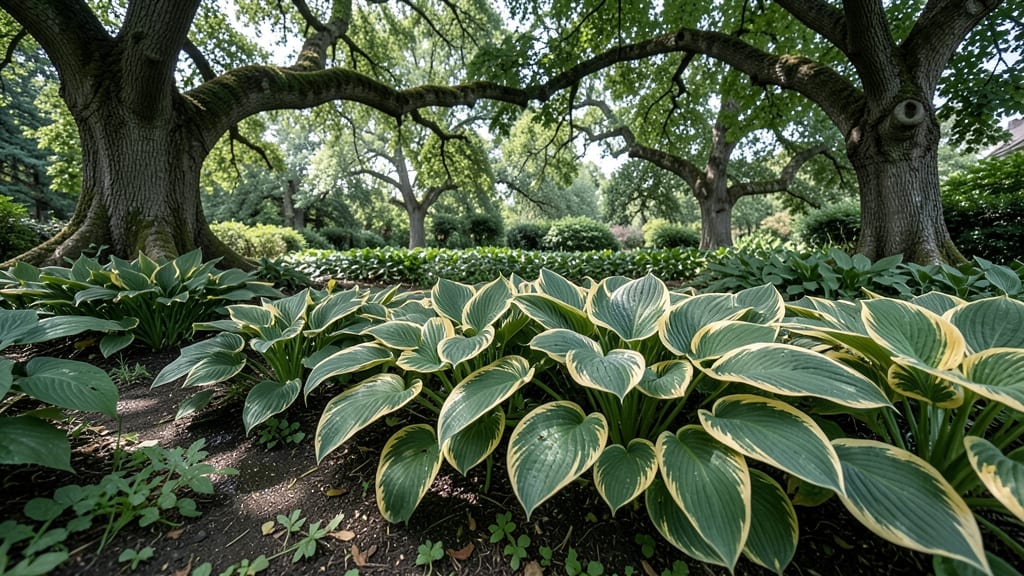
Tired of bare spots under trees or along north-facing walls? Hostas are the unsung heroes of deep shade gardens, delivering bold foliage that thrives where most plants struggle. Their striking variegated leaves—ranging from deep green to creamy gold—create instant visual impact with almost no effort on your part.
These perennials grow in full to partial shade (even under dense canopies) and prefer moist, well-draining soil. Plant them in spring or fall, spacing clumps 18-24 inches apart for a lush carpet effect. Mulch helps retain moisture and suppress weeds, while dividing mature plants every 3-4 years keeps them vigorous. Deer-resistant varieties like 'Halcyon' or 'Blue Angel' add extra protection.
Hostas are ideal for beginners because they’re low-maintenance yet rewarding—no deadheading, minimal pruning, and they return year after year. Pair them with ferns or hellebores for a woodland garden feel that stays vibrant through all four seasons. 💚
Bleeding Heart Flowers for Delicate Spring Blooms
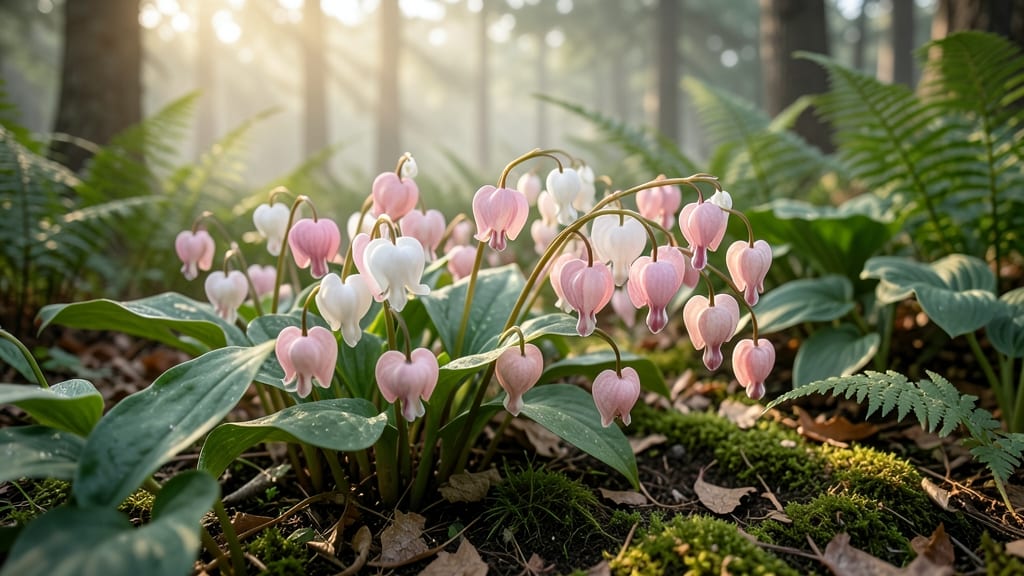
If you love romantic, cottage-style gardens, bleeding heart flowers (Dicentra spectabilis) are your secret weapon for spring drama. Their cascading clusters of heart-shaped blooms in soft pink or white create a dreamy, ethereal effect that’s impossible to resist—especially in woodland or partially shaded areas.
These shade-loving perennials thrive in moist, well-draining soil with partial to full shade, making them perfect for understory planting. Their arching stems reach 2-3 feet tall, creating natural vertical lines that pair beautifully with ferns, astilbes, and hostas. For best results, plant them in spring or early fall and keep the soil consistently moist during their first growing season.
Gardeners with woodland-style gardens will adore how bleeding hearts add delicate color when few other plants bloom. Pair them with hellebores for early spring interest or impatiens for summer continuity. 🌷
Hellebores for Early Winter and Spring Color
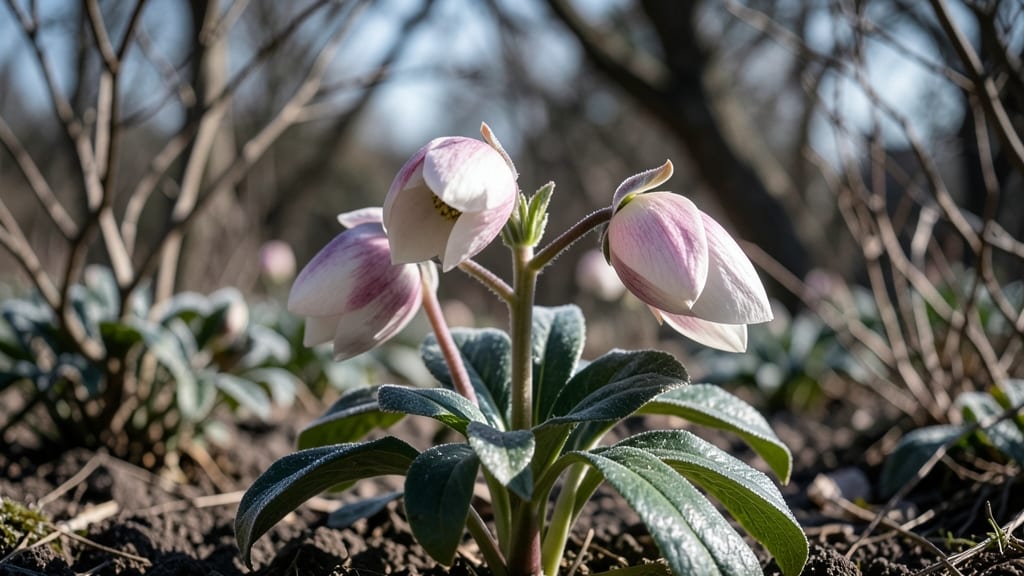
When your garden looks like a blank canvas in late winter, helleborus niger (commonly called Lenten rose) steps in with its bold, nodding blooms that defy the season. These evergreen perennials thrive in full to partial shade, making them perfect for those tricky spots under trees where other plants refuse to grow.
Hellebores bloom from late winter through early spring, often lasting 6-8 weeks, and their unique flowers—available in shades of white, pink, purple, and green—add architectural interest to shady beds. They’re deer-resistant and thrive in moist, well-draining soil, with minimal care once established. For best results, plant in fall or early spring and mulch to protect their roots during winter.
These plants are ideal for gardeners who want early-season color and low-maintenance reliability. Pair them with hostas or ferns for a lush, layered shade garden that stays vibrant year-round. 🌷
Impatiens for Bright Summer Color
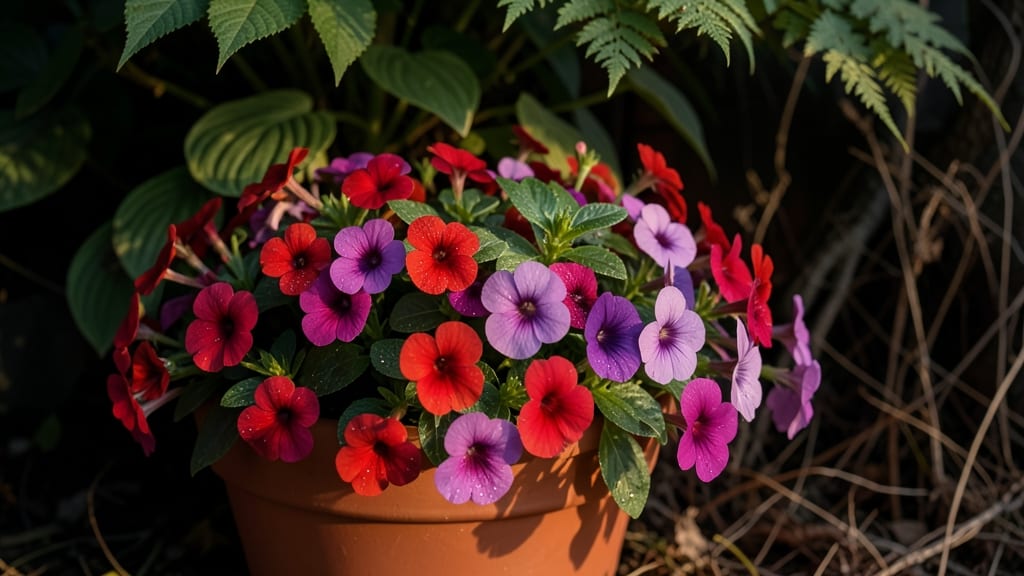
Tired of dull, sun-starved garden corners? Impatiens are the secret weapon for instant summer color in deep shade, where most plants refuse to thrive. These cheerful annuals burst into bloom within weeks, offering nonstop flowers in every shade from fiery red to soft lavender—perfect for containers, window boxes, or bed edges.
Unlike fussy shade plants, impatiens love moist, well-drained soil and dappled light or full shade, making them ideal for under trees or north-facing walls. For maximum blooms, deadhead spent flowers regularly and keep soil consistently damp (but not soggy). They're also deer-resistant, a bonus for gardeners with hungry wildlife visitors.
Urban gardeners and small-space enthusiasts will love how impatiens transform patios and balconies with vibrant pops of color. Plant them in clusters for dramatic impact, or mix with ferns and hostas for a lush, layered look. 🌻
Astilbes for Feathery Plume Flowers
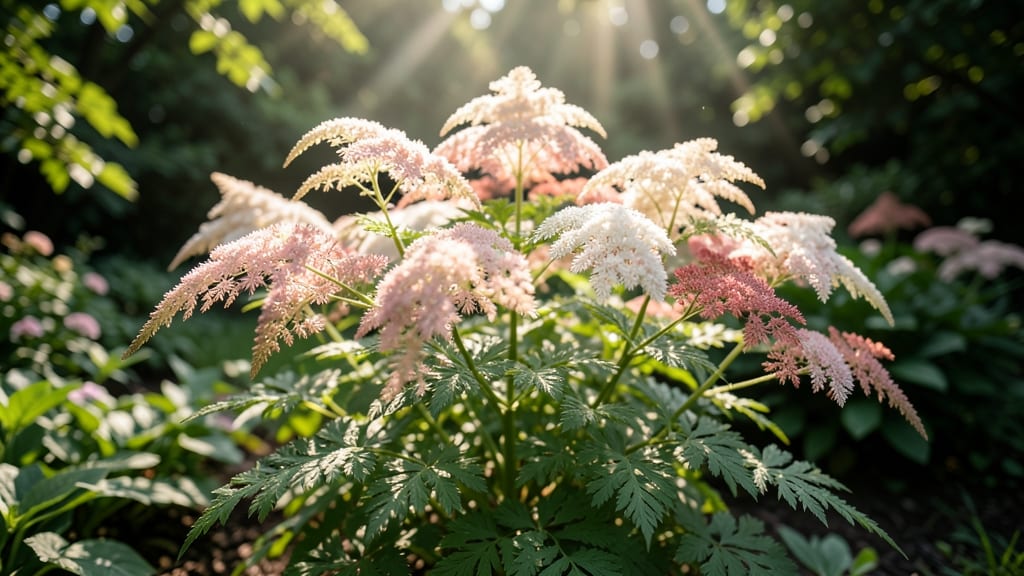
Want to add dramatic movement to your shady borders without sacrificing elegance? Astilbes deliver feathery, plume-like blooms in soft pinks, whites, and reds that dance in the slightest breeze. Unlike other shade plants that focus solely on foliage or flowers, astilbes offer both—lacy blooms and fern-like leaves that stay attractive even after flowering.
These perennials thrive in partial to full shade and prefer consistently moist, well-draining soil. Plant them in clusters for maximum impact, and choose varieties like 'Fanal' (deep pink) or 'Deutschland' (white) for height contrast. Their late-spring to summer blooms bridge the gap between early spring flowers and fall perennials, ensuring your shade garden stays lively.
Perfect for gardeners who love texture and color, astilbes are especially great for urban gardens with limited space—they fit beautifully in containers or along foundation plantings. Their ability to thrive in shady spots makes them a must-have for transforming dull corners into romantic, dynamic displays. 🌷
Ferns for Textured Green Backdrops
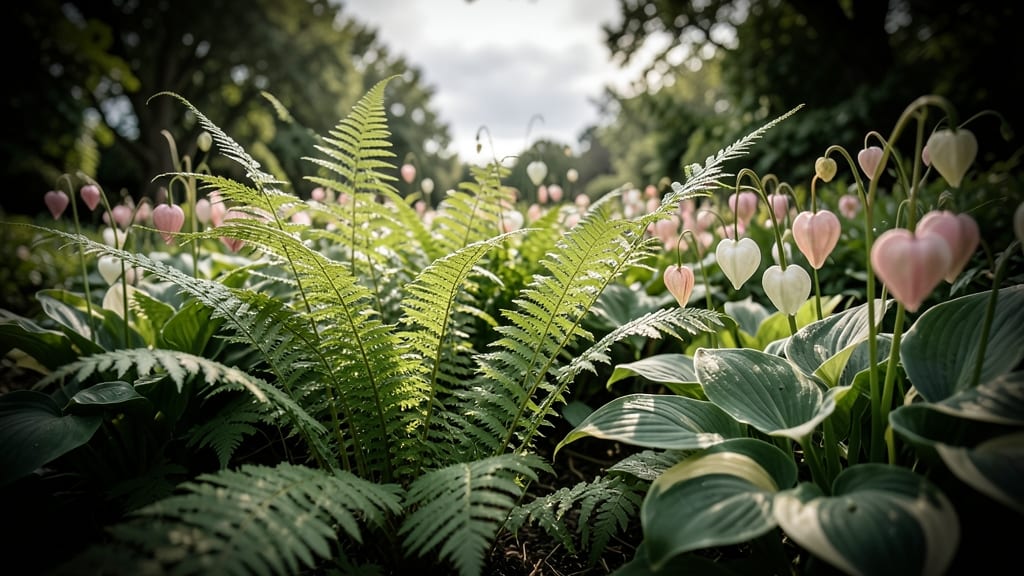
Transform your shady garden spots into lush, layered masterpieces with ferns—the ultimate textured backdrop for any shade bed. Their delicate, feathery fronds create a natural tapestry that softens harsh lines and adds dimension to other plants like hostas or bleeding hearts.
For maximum impact, mix maidenhair ferns (with their delicate, lace-like fronds) alongside Japanese painted ferns (known for their silvery-green hues). Most ferns thrive in dappled or full shade with consistently moist, well-draining soil—ideal for woodland gardens or under tree canopies. Prune spent fronds in early spring to encourage fresh growth.
Perfect for gardeners who love low-maintenance plants with high visual payoff, ferns also attract beneficial insects like ladybugs. Their evergreen foliage keeps your shade bed vibrant year-round. 🌿
Lungwort for Unique Spotted Leaves
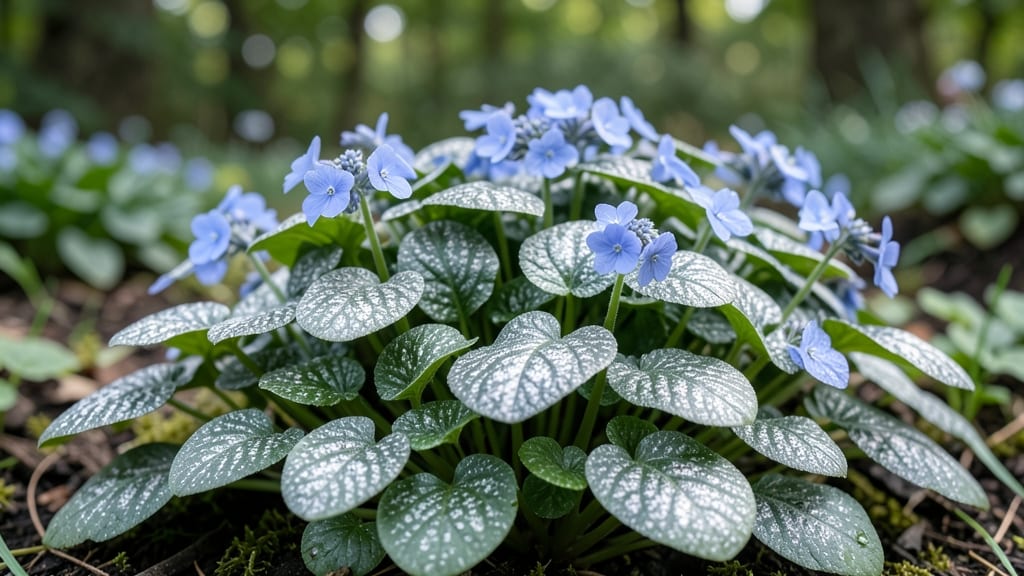
Tired of shade plants that blend into the background? Lungwort (Pulmonaria) steals the show with its silver-spotted foliage that shimmers like fairy dust in dappled light. Unlike other shade plants, its delicate blue flowers emerge in early spring, offering a rare pop of color before most gardens wake up.
This slow-spreading perennial thrives in partial to full shade, making it perfect for filling gaps between hostas or ferns without crowding neighbors. Plant it in moist, well-draining soil and watch its heart-shaped leaves develop striking metallic spots as they age. The best part? It’s low-maintenance and deer-resistant, so you won’t need to fuss over it all season.
Gardeners with woodland-style beds or urban courtyards will love lungwort’s year-round interest—its foliage stays attractive even after blooms fade. Pair it with hellebores or bleeding hearts for a whimsical, cottage-garden feel. 🌿
Coral Bells for Stunning Foliage Varieties
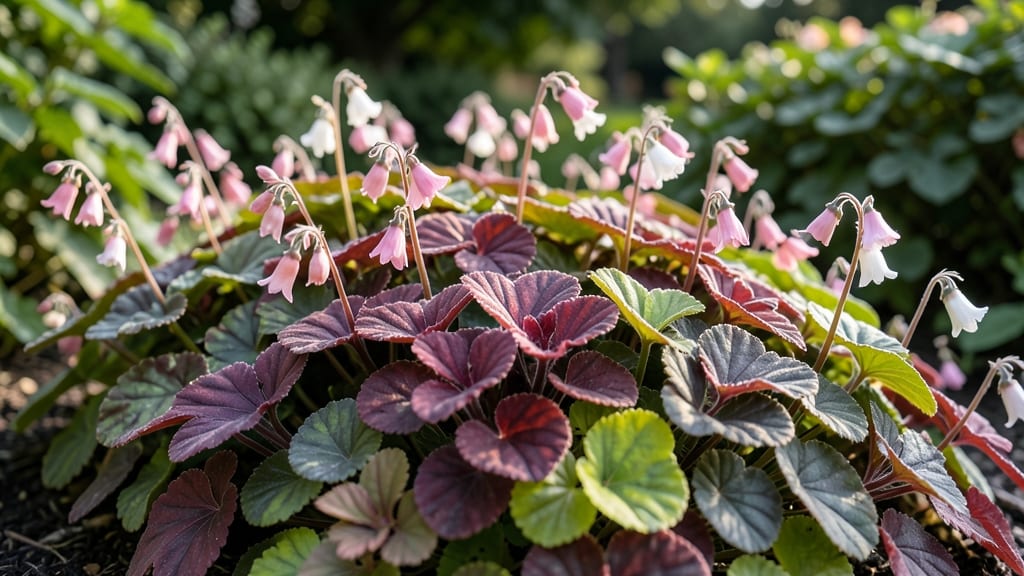
If you're tired of shade gardens that look dull and monotonous, coral bells (Heuchera) are your secret weapon. These compact perennials pack a punch with foliage in every color of the rainbow—from deep burgundy to lime green—while still producing delicate flowers that add texture and movement.
Coral bells thrive in partial to full shade, making them ideal for under trees or north-facing beds. Their clumping habit (12-18 inches tall) works perfectly for edging walkways or spilling over container edges, while their long bloom season—from late spring to summer—extends your garden's color palette. For best results, plant in well-draining soil and water consistently until established.
Urban gardeners and small-space enthusiasts will love how coral bells bring vibrant color without taking over. Mix varieties like 'Palace Purple' or 'Lime Rickey' for a striking contrast that keeps your shade garden dynamic all season. 🌻
Japanese Anemones for Late-Season Blooms
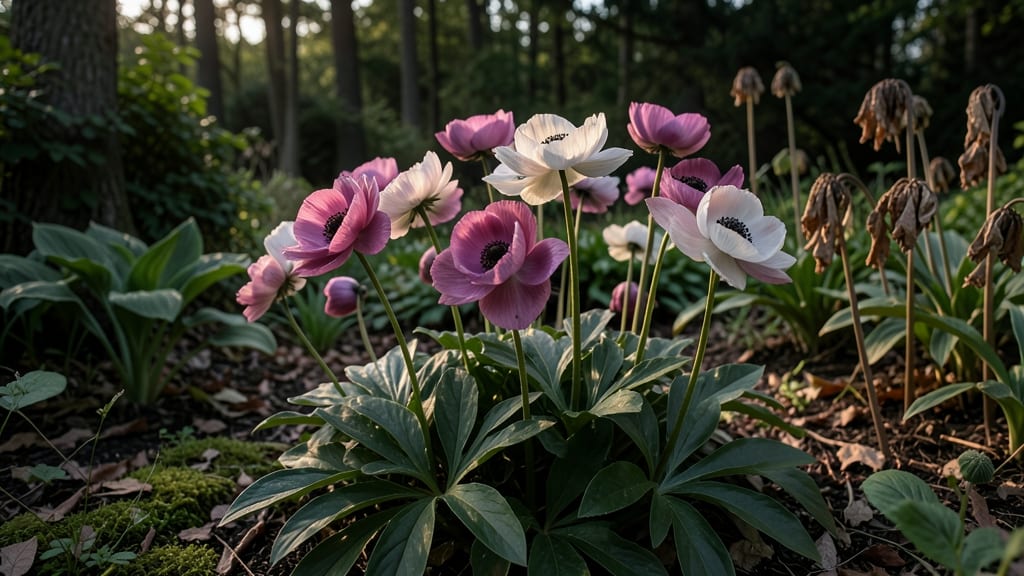
When most shade plants are winding down in late summer, Japanese anemones step in with their dramatic blooms, offering a second wave of color that keeps your garden lively. These graceful perennials thrive in partial to full shade, making them perfect for woodland gardens or north-facing beds where sunlight is limited.
With stems reaching 3-5 feet tall, they provide striking vertical interest that pairs beautifully with lower-growing shade plants like hostas or ferns. Choose from varieties like 'Honorine Jobert' for deep pink blooms or 'Hadspen Abundance' for white flowers with yellow centers. Deadhead spent blooms to encourage more flowers and prevent self-seeding if that's a concern.
Gardeners with late-season color gaps will love how Japanese anemones extend the blooming season until frost. They're especially valuable for pollinators like butterflies in the fall months. 🌻
Sweet Woodruff for Fragrant Ground Cover

Transform your darkest garden corners into a fragrant retreat with sweet woodruff (Galium odoratum), a low-growing perennial that thrives in deep shade while filling the air with its signature vanilla-like scent. Unlike other shade plants, this delicate ground cover spreads gently without becoming invasive, making it perfect for woodland gardens or under trees where sunlight barely reaches.
With its heart-shaped leaves and tiny white flowers that bloom in late spring, sweet woodruff creates a lush, fragrant carpet that stays green all season. It prefers moist, well-drained soil and partial to full shade, making it ideal for areas where other plants struggle. Simply plant it in clusters or let it self-seed for natural spread—its gentle growth habit ensures it won’t overpower neighboring plants.
This is the ideal choice for gardeners who love sensory gardens or want to add a whimsical touch to shady spots. Its subtle fragrance and soft texture make it a favorite for fairy gardens, borders, or even as a living mulch under trees. 🌿