
Landscaping
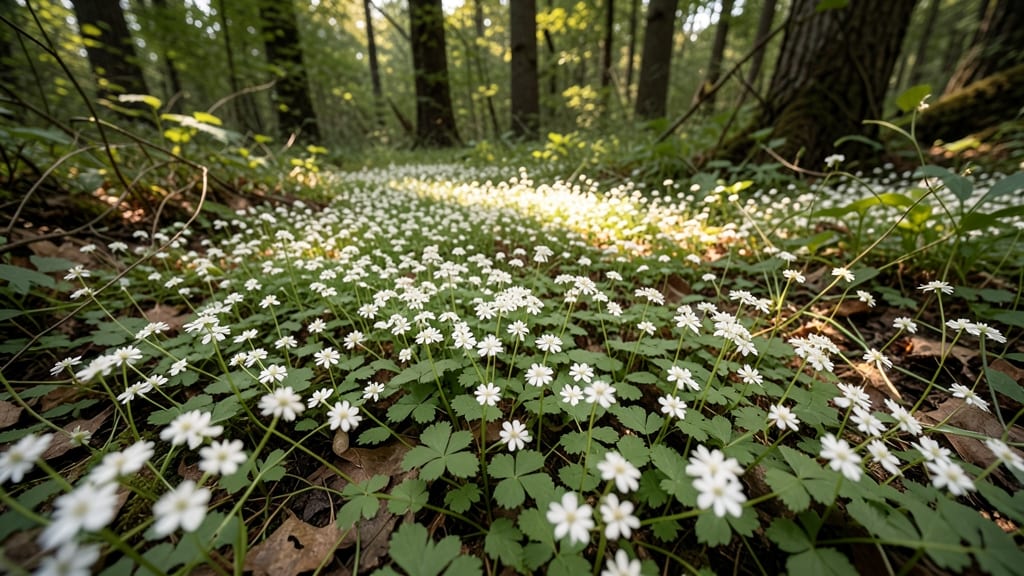
Struggling to keep your shady flower beds vibrant? These 10 low-light thriving plants transform dim corners into lush, colorful gardens with minimal sunlight requirements. Perfect for north-facing yards, under trees, or dense foliage areas.
Hostas for Textured Shade Gardens
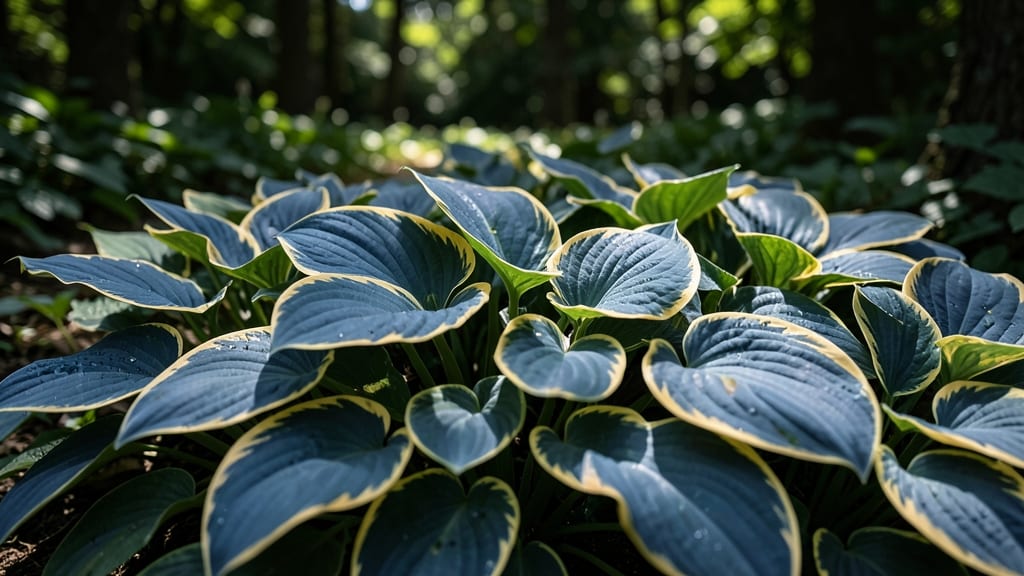
Looking for a low-maintenance way to add drama to your shady garden? Hostas are the ultimate solution—these perennials offer stunning foliage textures in blues, greens, and variegated patterns, all while thriving in deep shade where other plants struggle.
With over 3,000 varieties, you can mix broadleaf types like ‘Blue Angel’ (deep blue) or ‘Halcyon’ (chartreuse) for visual contrast. They’re also deer-resistant, making them ideal for foundation plantings or woodland gardens where wildlife browsing is a concern. Plant in well-draining soil and water consistently until established—then enjoy their lush presence year-round.
Perfect for beginners or busy gardeners, hostas require minimal care while delivering instant texture to shady spots. 🌿
Bleeding Heart Blooms in Woodland Settings
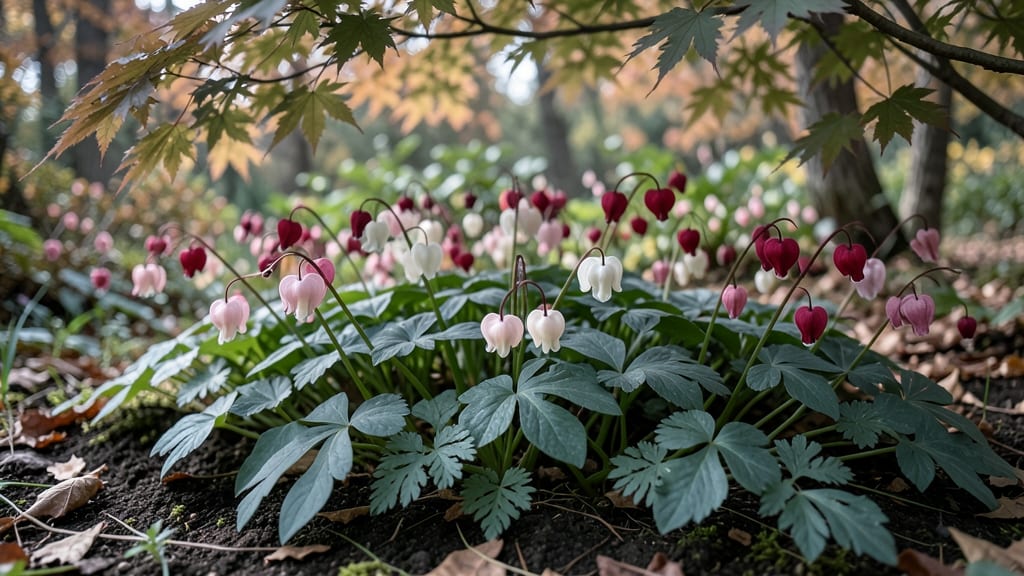
Transform your shady garden corners with bleeding heart (Dicentra spectabilis), a dreamy perennial that thrives in partial to full shade while delivering romantic, heart-shaped blooms in delicate pinks, whites, or reds. Unlike sun-loving flowers, this woodland native actually prefers dappled light or deep shade, making it ideal for understory plantings where other flowers struggle.
Plant bleeding heart in well-draining, moist soil enriched with organic matter—it rewards patience with 3-4 feet of arching stems that cascade beautifully over banks, beneath trees, or through cottage garden borders. For best results, divide clumps every 3-4 years to maintain vigor, and deadhead spent blooms to encourage a second flush of flowers in late summer. Pair it with hostas or ferns for a lush, layered woodland effect.
Perfect for gardeners who love romantic, low-maintenance plants, bleeding heart adds vertical interest and seasonal color without demanding full sun. Its early spring blooms arrive just as other shade plants are waking up, giving you a head start on seasonal beauty. 🌷
Ferns for Lush Green Ground Cover
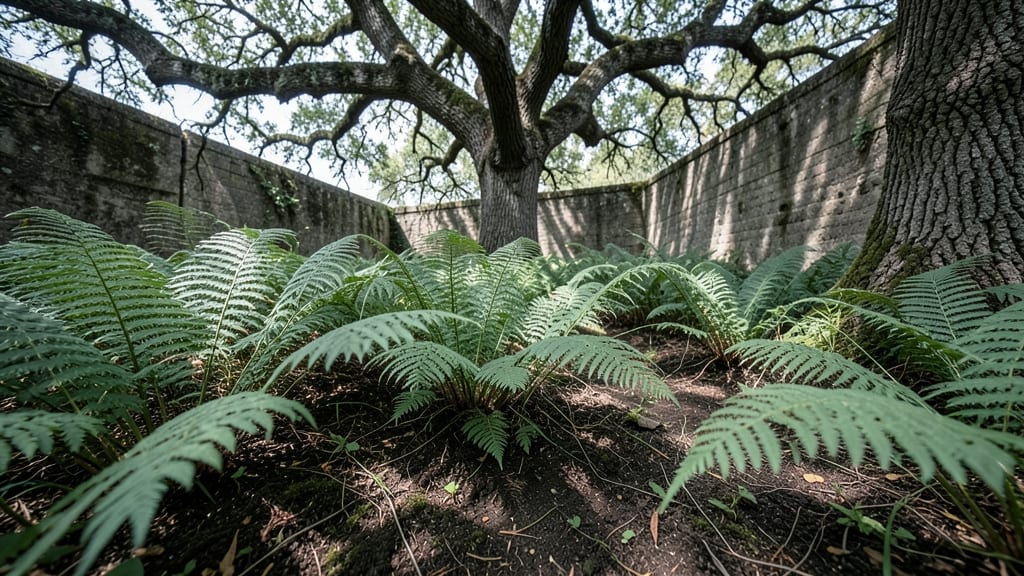
Tired of barren spots under trees or along north-facing walls? Ferns turn those shadowy corners into a verdant tapestry with their delicate, feathery fronds—nature’s perfect ground cover for low-light areas.
These shade specialists thrive in moist, well-drained soil and tolerate dry shade once established, making them ideal for filling gaps between shrubs or edging pathways. Varieties like maidenhair ferns add fine texture, while Ostrich ferns provide bold structure. Most ferns prefer consistent moisture but avoid soggy soil—mulch helps retain humidity while suppressing weeds.
Perfect for beginners or busy gardeners, ferns require minimal care beyond occasional trimming of dead fronds. Their lush greenery softens hard landscapes and creates a serene, woodland-like feel—ideal for those who want effortless elegance. 🌿
Hellebores for Early Spring Color
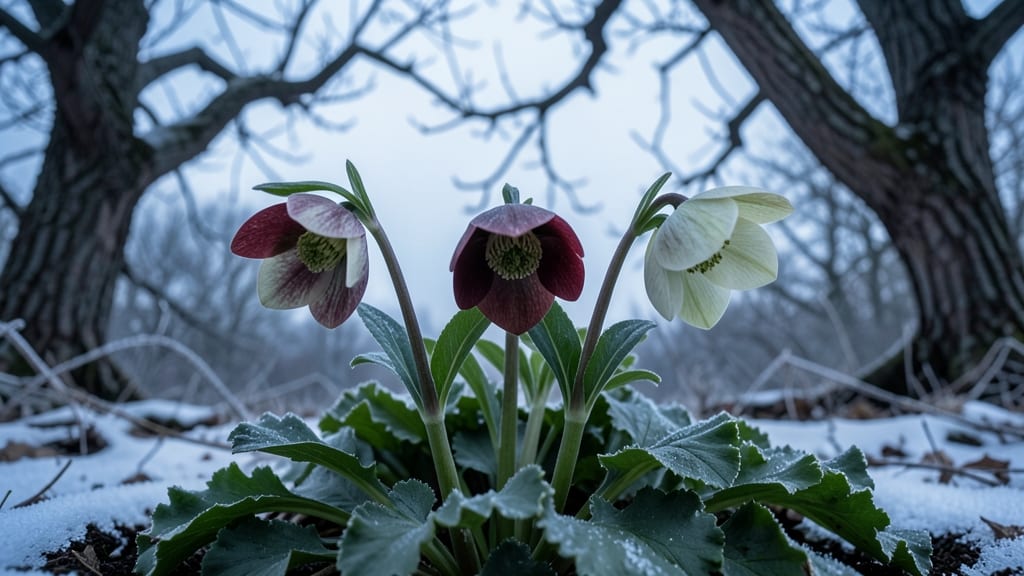
When most gardens are still buried under snow, hellebores burst into bloom with their delicate, nodding flowers—proving that shade doesn’t mean sacrificing color. These winter-hardy perennials thrive in late winter to early spring, offering a striking contrast to bare branches and frost-kissed foliage.
Plant them in partial to full shade where other plants haven’t yet emerged, and they’ll reward you with blooms in shades of white, pink, purple, or green. Hellebores prefer well-draining soil and benefit from a layer of mulch to protect their roots during cold snaps. Their evergreen foliage also adds year-round interest, making them a low-maintenance star for shady borders.
Perfect for gardeners who want early-season color with minimal effort, hellebores are especially great for beginners or those with woodland-style gardens. Just be mindful of slugs—they love these tender blooms! 🌷
Impatiens for Bright Container Gardens
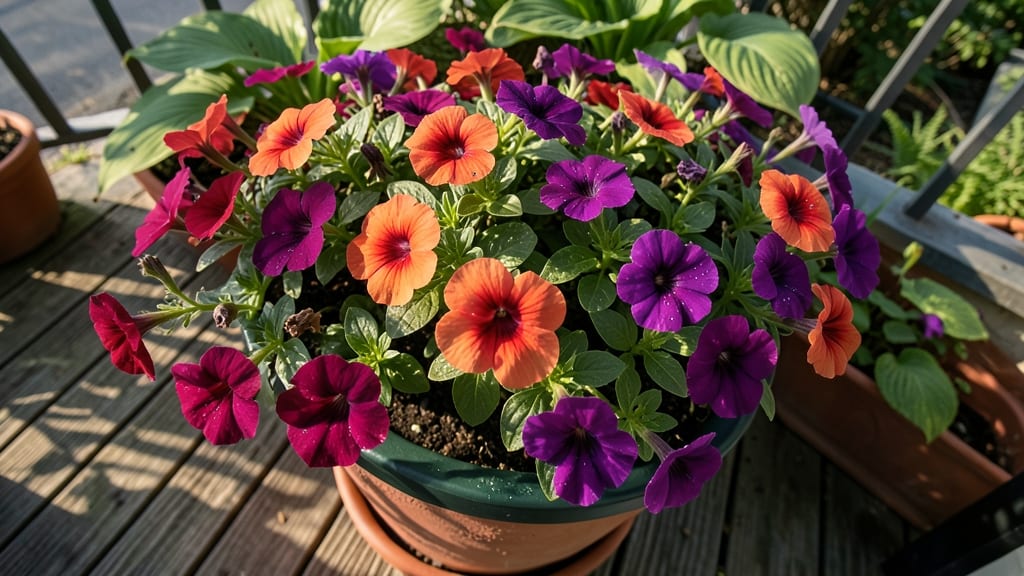
Want to turn your shady patio, balcony, or windowsill into a vibrant display without sacrificing sunlight? Impatiens are the secret weapon for full to partial shade containers, offering bursts of color where other flowers fade. These annuals thrive in spots that get as little as 3-6 hours of sun daily, making them perfect for urban balconies or tree-filtered light.
Choose from red, pink, orange, or white blooms that last all summer long with minimal care. Plant them in well-draining potting mix and keep soil consistently moist (but not soggy). For extra impact, pair them with trailing plants like sweet potato vine or calibrachoa in hanging baskets. Their compact size makes them ideal for small spaces, and they self-clean—no deadheading required!
Urban gardeners and renters will love impatiens—they’re annuals, so no overwintering worries, and their bold colors create instant curb appeal. Perfect for anyone who wants low-maintenance, high-impact shade gardening. 🌻
Astilbes for Feathered Shade Accents
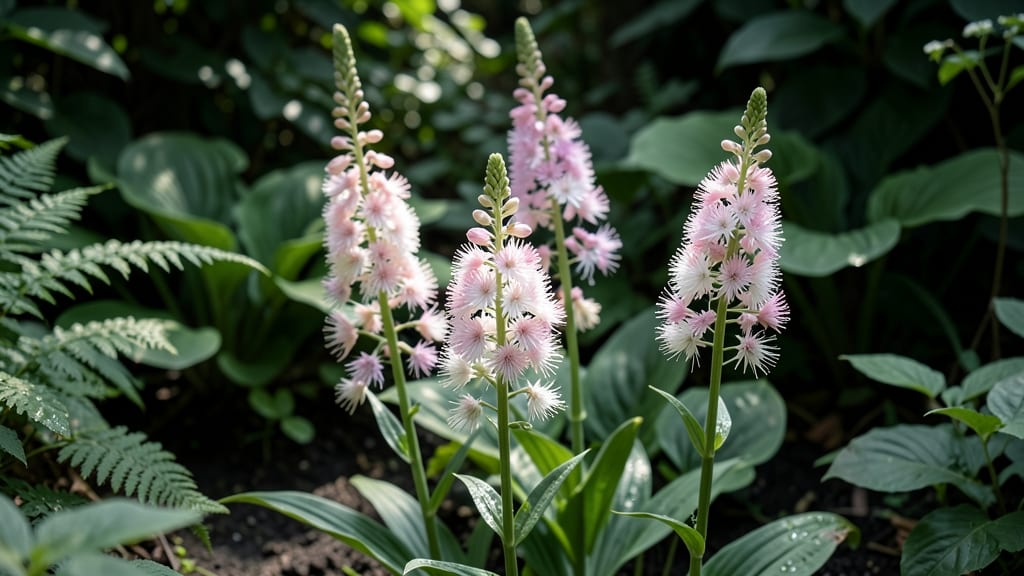
If you crave romantic, airy blooms that defy the "shady" label, astilbes are your secret weapon. These delicate, plume-like flowers in soft pinks, whites, and purples thrive where others falter—moist, shady spots that would make other plants wilt. Their feathery texture adds vertical interest without stealing the spotlight from other shade-loving stars.
Plant astilbes in well-draining, consistently moist soil (they hate dry spells) and group them with ferns or hostas for a lush woodland effect. Varieties like ‘Fanal’ (deep pink) or ‘Deutschland’ (white) reach 2-3 feet tall, making them perfect for back-of-bed drama. Deadhead spent blooms to encourage a second flush, and watch them rebound year after year with minimal fuss.
Urban gardeners with courtyards or north-facing walls will love astilbes—no sun? No problem. Their ethereal blooms bring soft elegance to even the dimmest corners, proving shade gardens can be both vibrant and effortless. 🌷
Lungwort for Unique Foliage and Flowers
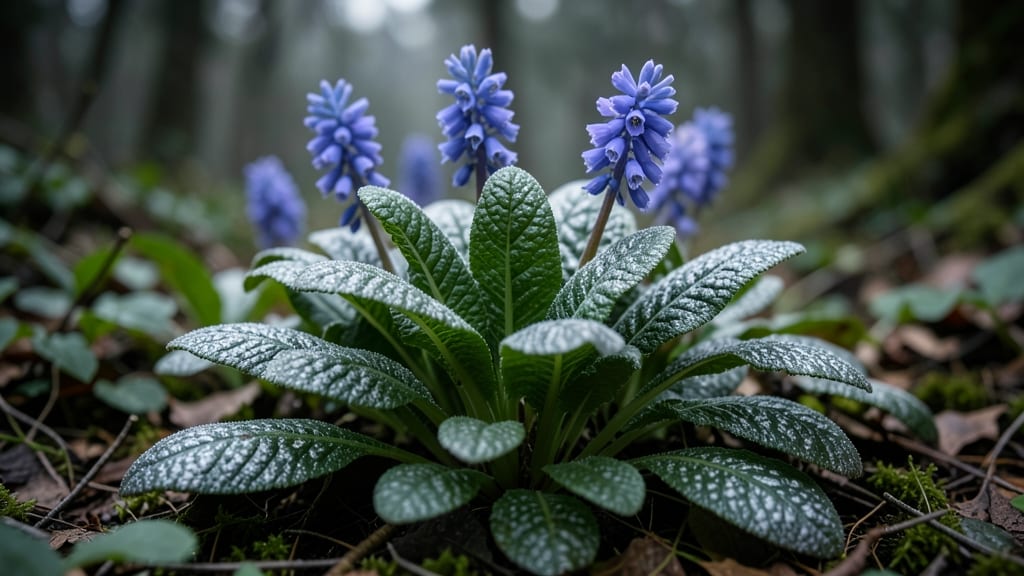
Looking for a shade plant that stands out with both foliage and flowers? Lungwort (Pulmonaria) delivers with its striking silver-spotted leaves that transition to green as the season progresses, paired with blue-purple blooms that appear in early spring.
This hardy perennial thrives in deep shade and moist, well-draining soil, making it ideal for woodland edges or understory plantings. The flowers attract bees and butterflies, adding ecological value to your garden. Lungwort spreads slowly, so it won't overwhelm your space but will gradually fill in gaps with its unique texture.
Perfect for gardeners who want low-maintenance plants with year-round interest, lungwort is especially great for woodland gardens or as a border plant where its foliage can be appreciated even when not in bloom. 💚
Coral Bells for Dramatic Foliage Variety
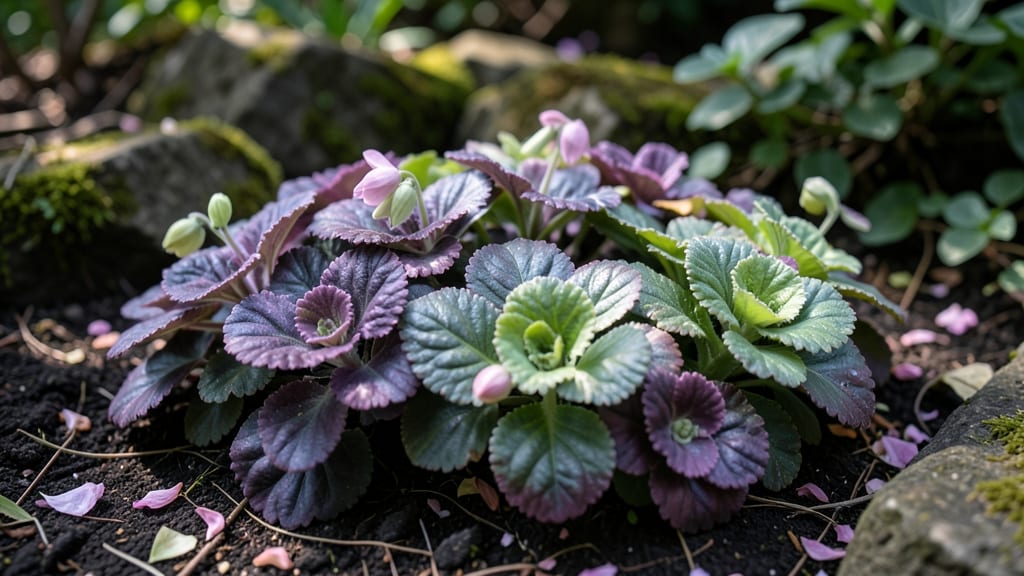
Tired of seeing your shady spots as boring green voids? Coral bells (Heuchera) turn dull corners into vibrant canvases with their bold foliage in purple, silver, or lime green, plus delicate flowers that add unexpected texture. This shade superstar thrives where others fail, making it perfect for under trees or north-facing beds.
Choose from over 100 varieties to mix deep burgundy leaves with chartreuse centers, or opt for silvery foliage that glows in filtered light. They're low-maintenance too—just keep soil moist (but not soggy) and deadhead spent blooms for continuous color. Coral bells also handle urban pollution better than many plants, making them ideal for city gardens.
Urban gardeners and small-space planners will love how coral bells fit perfectly in containers or as edging plants. Their year-round interest (even when not blooming) ensures your shade garden stays dynamic. 🌻
Japanese Painted Ferns for Ornamental Appeal
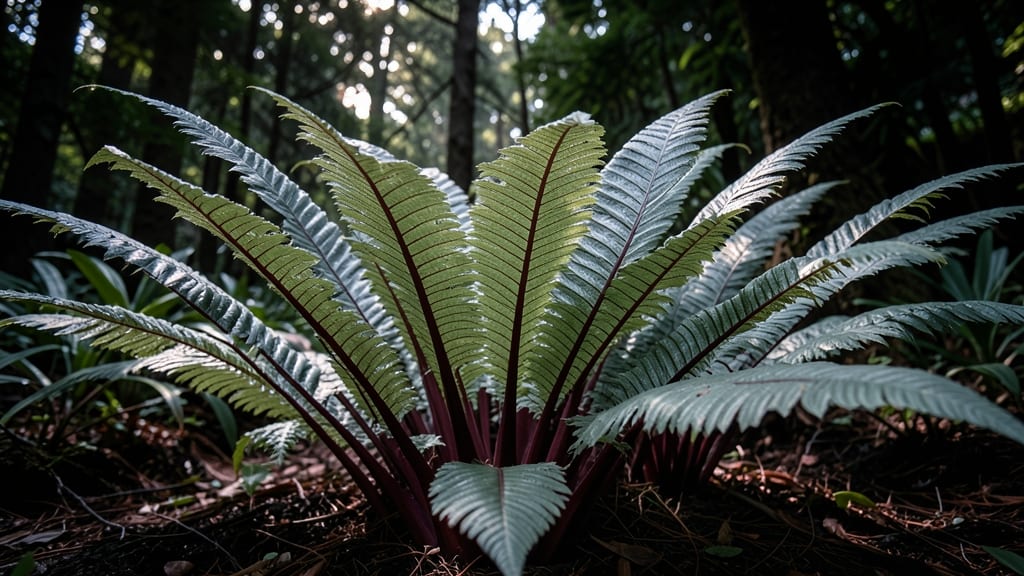
If you want to add architectural drama to your shady garden without the fuss of high-maintenance plants, Japanese painted ferns are your secret weapon. Their silvery-green fronds with burgundy stems create bold, sculptural shapes that stand out in low-light spaces where other plants might struggle.
These ferns thrive in dry to medium shade, making them perfect for understory planting or containers tucked into dim corners. Their unique foliage patterns—like abstract brushstrokes—add visual intrigue year-round, while their compact size (18-24 inches tall) fits neatly into borders or mixed containers. Just keep the soil consistently moist (but not soggy) and watch them flourish with minimal care.
Urban gardeners and small-space enthusiasts will love how these ferns bring textural contrast without overwhelming limited areas. Pair them with hostas or coral bells for a striking, low-light combo that turns dull corners into focal points. 🌿
Sweet Woodruff for Fragrant Ground Cover

Tired of shady spots that feel dull and lifeless? Sweet woodruff transforms forgotten corners into fragrant, living carpets with its delicate white blooms and signature vanilla-like scent when brushed.
This hardy ground cover thrives in full to deep shade, spreading effortlessly to smother weeds while releasing its sweet aroma—especially after rain. Plant it along pathways, under trees, or as a living mulch to suppress weeds naturally. It's also deer-resistant, making it a low-maintenance choice for busy gardeners. 🌿