
Tools
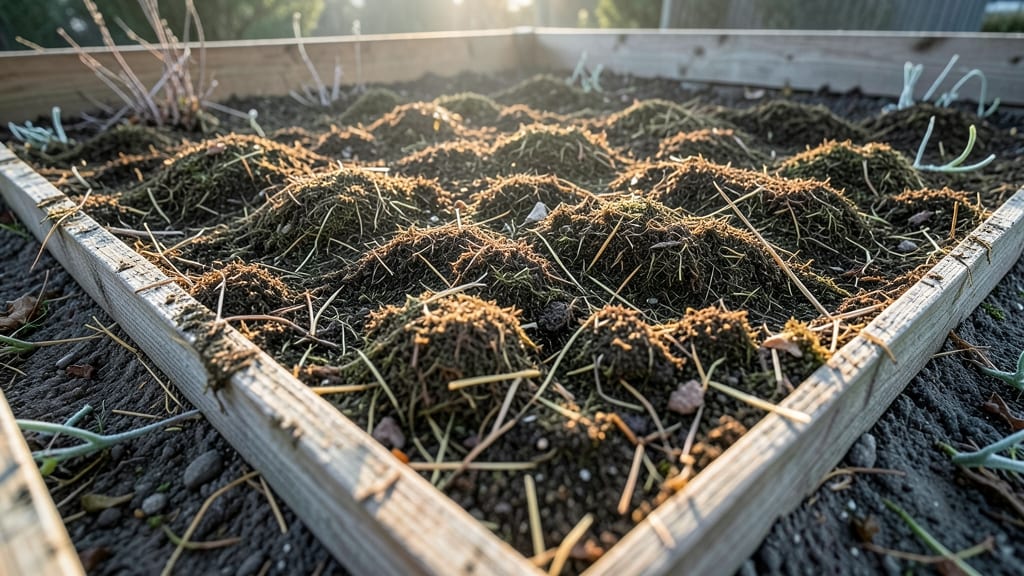
Cold climates can shorten growing seasons, but these 10 garden bed cover ideas help extend harvests, protect plants, and improve soil health—without breaking the bank or complicating your routine.
Floating Row Covers for Early Planting
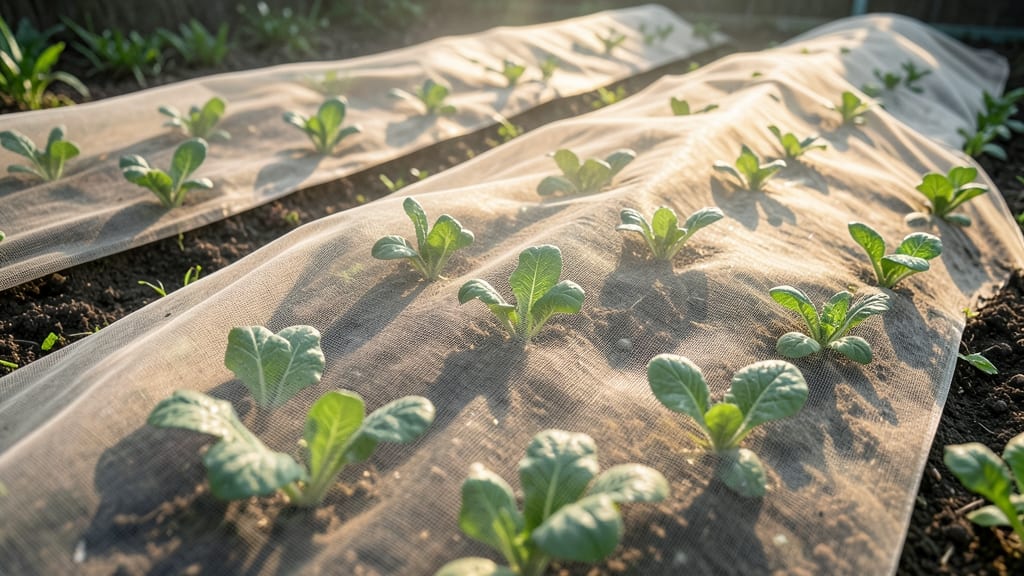
Want to beat the chill and get your cool-season crops growing weeks ahead of schedule? Floating row covers are your secret weapon—these lightweight, breathable fabrics create a microclimate that traps warmth while letting sunlight and water reach your seedlings.
Made from spun-bonded polyester, these covers raise soil temperatures by 5-8°F, allowing you to plant lettuce, spinach, and kale as early as 4-6 weeks before your last frost date. Simply drape them over your beds (or use hoops for extra support) and secure with bricks or stakes. The fabric also deters pests like cabbage moths and flea beetles, giving your young plants a head start.
Perfect for beginners or urban gardeners with limited space, these covers are reusable for years and can be removed during the day for pollination if needed. Try them this spring and enjoy a longer harvest! 🌱
Straw Mulch for Winter Soil Protection
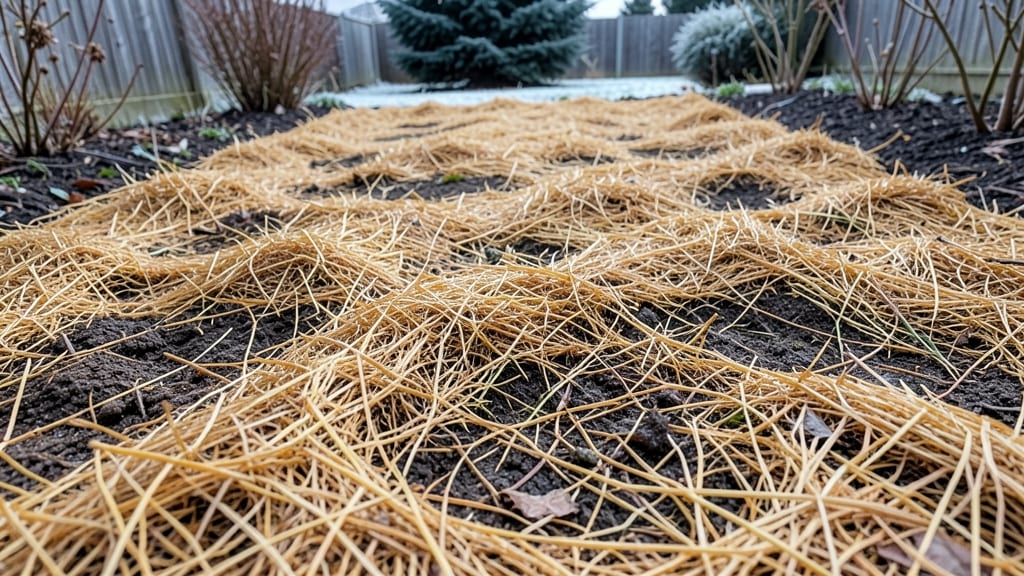
Skip the expensive winter covers—straw mulch is your secret weapon for protecting garden beds during freezing temperatures. This natural, biodegradable material acts like a cozy blanket, insulating soil to prevent freeze-thaw cycles that damage roots while retaining 30% more moisture than bare soil.
Spread a 3-4 inch layer over perennial beds and vegetable gardens after the first frost, leaving a small gap around plant stems to prevent rot. Straw also smothers weeds, reducing spring cleanup time by up to 50%. For extra protection in extreme cold, top with a thin layer of leaves or compost.
This solution is perfect for budget-conscious gardeners and those with large beds—straw costs pennies per square foot and breaks down into nutrient-rich compost next season. 🌱
Heavy-Duty Landscape Fabric for Weed Control
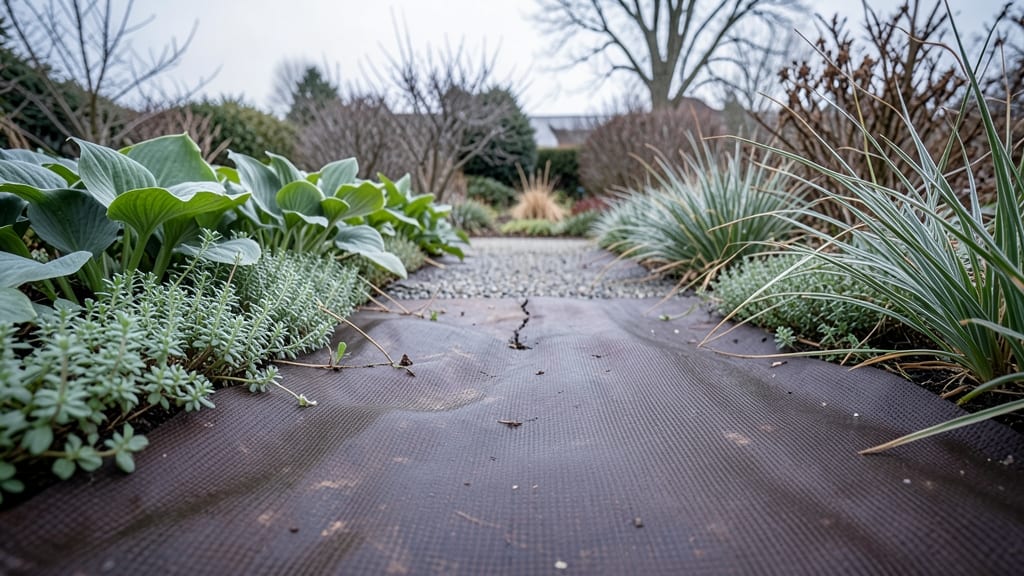
Tired of battling weeds in your garden pathways or around stubborn perennials? Heavy-duty landscape fabric is the unsung hero for long-term weed suppression—especially in cold, weed-prone areas where mulch alone won’t cut it. Unlike temporary solutions, this fabric stays put for years, blocking sunlight from weed seeds while letting water and air reach your plants.
Made from perforated polyethylene, this fabric is tough enough for high-traffic areas but breathable enough to prevent soil suffocation. Install it under gravel pathways or around established perennials in early spring before weeds germinate, securing edges with landscape staples or rocks. It’s a game-changer for gardeners who hate weeding but still want to protect their soil from erosion and frost heave.
Perfect for low-maintenance gardeners or those with sloped beds, this fabric pays for itself by reducing weeding time and preserving moisture. Just remember to cut X-shaped slits for existing plants before laying it down. 💪
Clear Plastic Tunnels for Greenhouse Effect
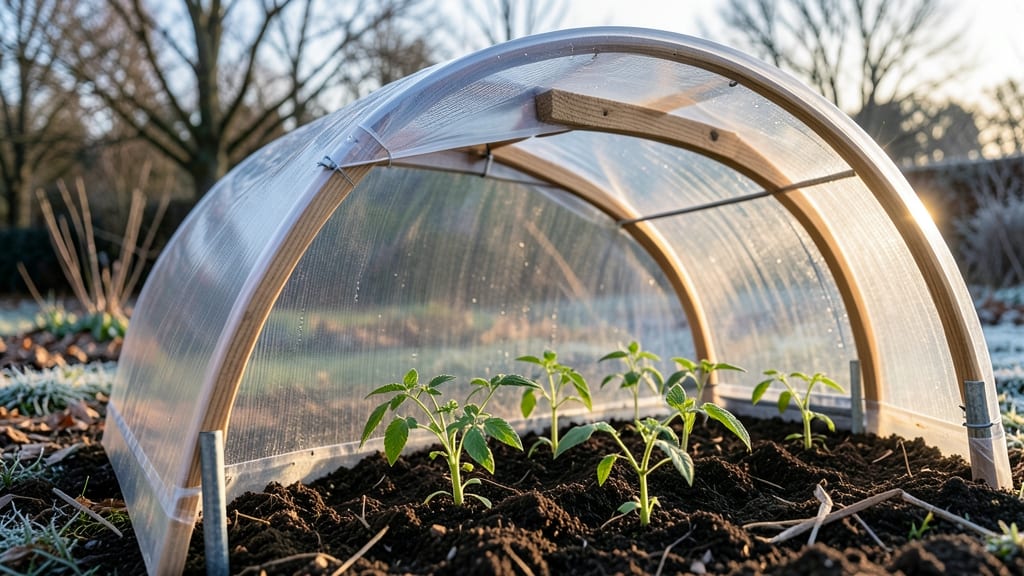
Skip the expensive greenhouse and build your own micro-greenhouse with a few simple supplies—this DIY clear plastic tunnel traps heat like a pro while costing less than $50. Perfect for gardeners who want to push their tomatoes, peppers, and eggplants into production weeks before the last frost date.
Start by bending PVC pipes into a low arch (about 2-3 feet tall) and securing them at both ends with stakes. Cover the frame with clear plastic sheeting (like 6-mil greenhouse plastic) and weigh down the edges with bricks or soil. The trapped sunlight raises soil temperatures by 10-15°F, giving heat-loving plants a head start. For best results, add a ventilation flap to prevent overheating on sunny days.
This solution is ideal for urban gardeners with limited space or anyone who wants to extend their growing season without the hassle of a full greenhouse. Just imagine harvesting peppers in early May instead of July! ✨
Burlap Sacks for Root Vegetable Protection
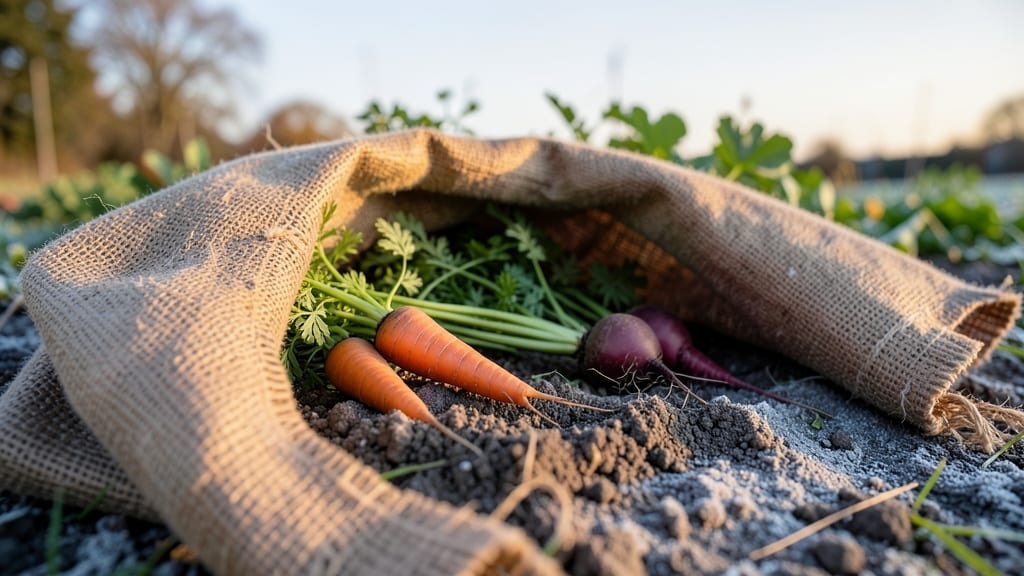
When late fall arrives and temperatures drop, root vegetables like carrots and beets still need room to grow—even if the ground is chilly. Burlap sacks offer a simple, natural solution by acting as a breathable shield that protects delicate roots from freezing while allowing them to develop undisturbed.
Fill the sacks with soil and plant seeds or young transplants directly inside. The natural fiber regulates temperature, preventing soil from freezing solid while still allowing moisture to penetrate. This method works especially well for cold-hardy crops planted in late September or October, giving you an early harvest before spring.
Perfect for small-space gardeners or those with limited resources, burlap sacks are reusable, biodegradable, and eliminate the need for expensive row covers. Just bury them partially to stabilize and watch your roots thrive! 🌱
Insulated Garden Cloth for Frost Protection
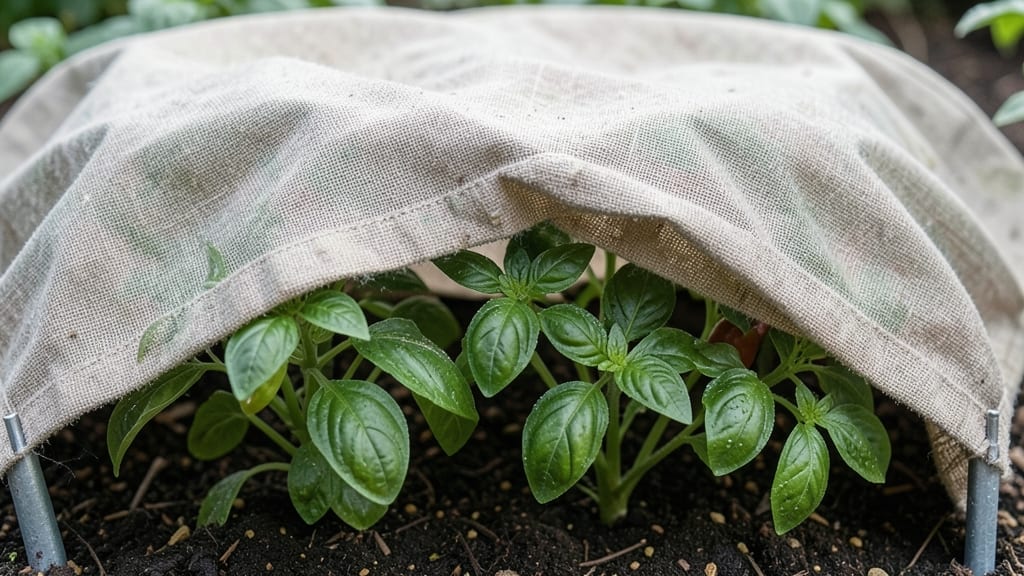
When a late spring frost threatens your basil and peppers, don’t panic—insulated garden cloth is your secret weapon. Unlike lightweight row covers, this thicker fabric creates a cozy microclimate that raises temperatures by 5-10°F, shielding delicate plants from light frosts without smothering them.
Made from polypropylene or polyester, it’s heavier than traditional frost blankets but still breathable enough to let sunlight and air through. Secure it with bricks or clips to prevent wind damage, and use it for short-term protection during unexpected cold snaps. It’s especially useful for container gardens where soil heats up slower.
Perfect for urban gardeners with limited space or anyone growing tender annuals in unpredictable climates, this cover gives you peace of mind during those critical growing weeks. 🌱
Wooden Hoop Houses with Frost Blankets
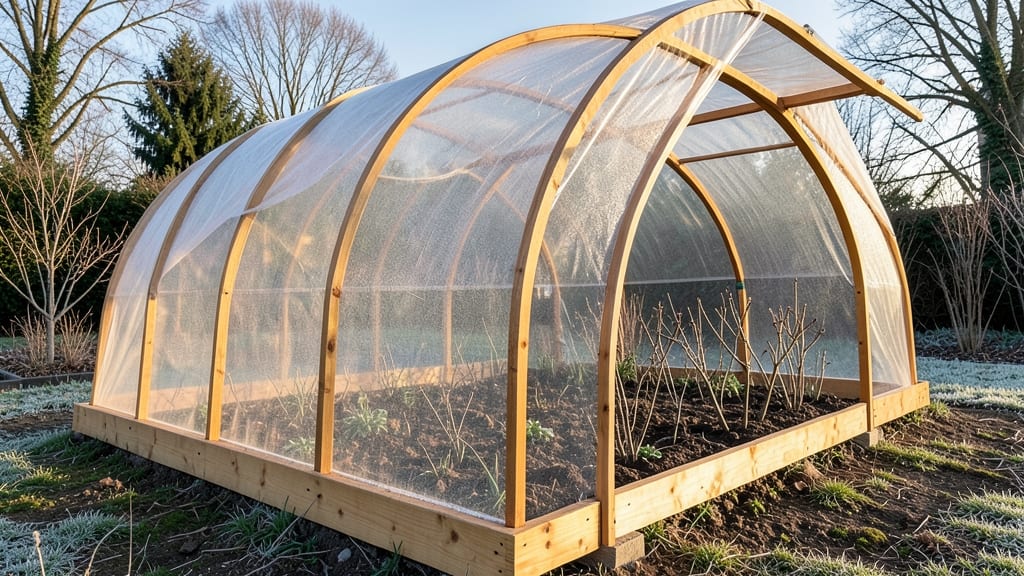
Need a portable, low-cost greenhouse that won’t break the bank or clutter your yard? Wooden hoop houses with removable frost blankets are the answer—think of them as a lightweight, movable shelter that protects seedlings when temperatures dip unexpectedly.
These DIY-friendly structures use simple wooden arches (often made from PVC or wooden dowels) covered with a frost blanket or lightweight fabric. The removable cover lets you protect plants during late spring frosts or early fall harvests while still allowing sunlight and air circulation. You can move them between beds as needed, making them ideal for small spaces or urban gardens.
Perfect for beginners or budget-conscious gardeners, hoop houses require minimal materials and can be assembled in under an hour. They’re especially great for extending the season for cool-season crops like lettuce, kale, and spinach. 🌱
Pine Needles for Acid-Loving Plant Beds
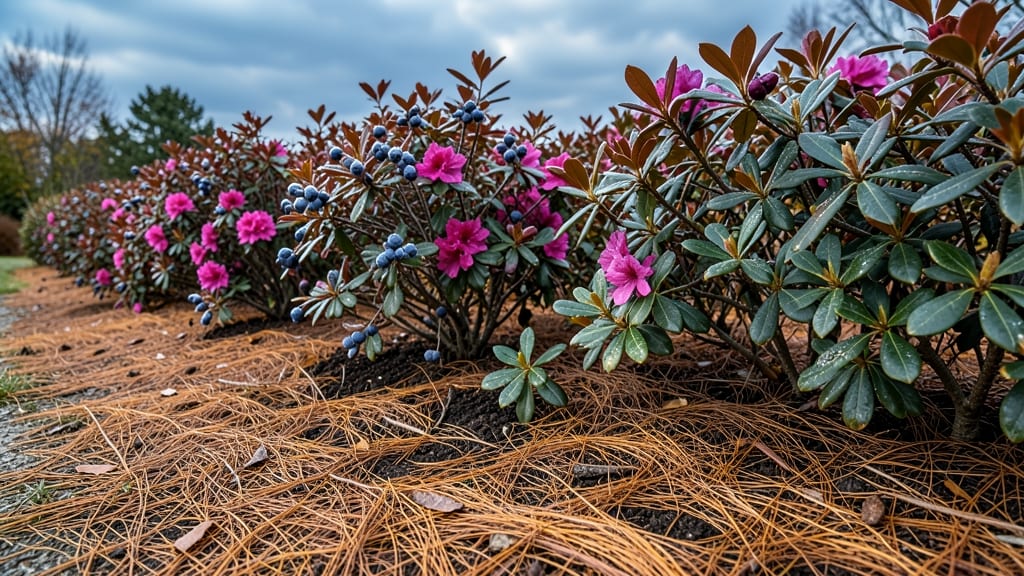
If your garden thrives with blueberries, azaleas, or rhododendrons, pine needles aren’t just for Christmas wreaths—they’re a game-changer for cold climates. This free, natural mulch doubles as insulation, shielding roots from frozen ground while slowly acidifying the soil to match these plants’ exacting needs.
Spread a 3-4 inch layer of fresh pine needles around acid-loving shrubs in early fall, letting them decompose over time. Unlike synthetic mulches, pine needles improve soil chemistry as they break down, creating the perfect environment for year-round growth. They also deter weeds and retain moisture—ideal for regions with harsh winters.
Perfect for gardeners who want a low-maintenance, budget-friendly solution that mimics a forest floor ecosystem. Your acid-loving plants will thank you for the cozy, nutrient-rich bed. 🌿
Geotextile Fabric for Erosion Control
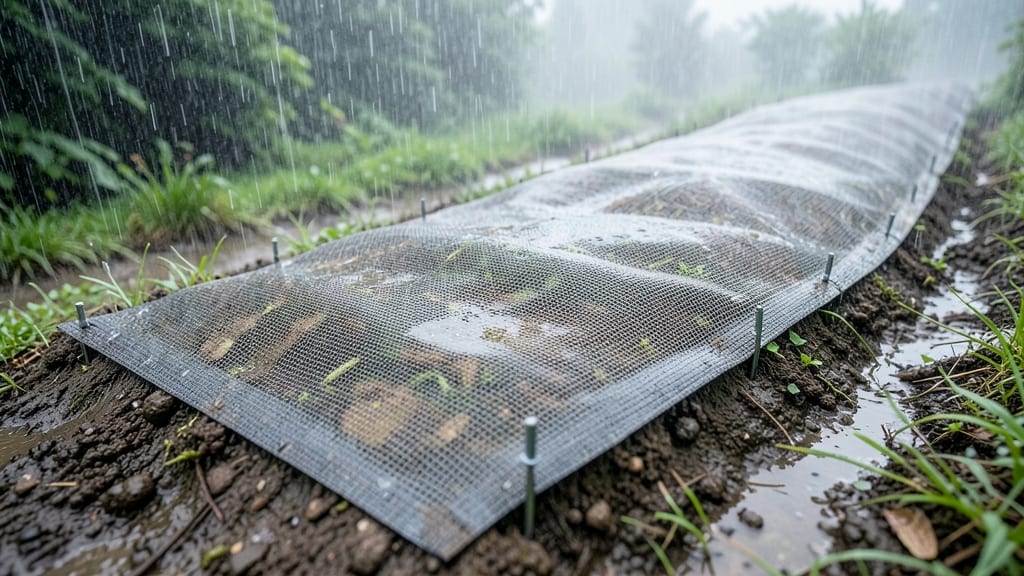
If your garden battles sloping terrain or unpredictable storms, geotextile fabric is your secret weapon. Unlike temporary covers, this durable material stays put through heavy rains and snowmelt, preventing soil from washing away while allowing roots to breathe.
Made from woven synthetic fibers, it filters water while blocking erosion-causing runoff. Simply lay it over slopes before planting—it won’t decompose like straw or suffocate plants like plastic. Perfect for cold climates where freeze-thaw cycles weaken soil structure, this fabric keeps beds intact year-round.
Ideal for new gardeners or urban plots with tricky slopes, it’s the unsung hero of stable, long-lasting garden beds. 💪
Compost Blankets for Soil Warmth

If you're tired of waiting for cold soil to warm up in spring, a compost blanket is your secret weapon. This organic layer acts like a cozy quilt for your garden, accelerating soil warming by up to 10°F compared to bare ground—ideal for raised beds and cold frames where heat escapes fastest.
Spread a 3-4 inch layer of finished compost (or a mix of compost and straw) over your bed in early spring. The decomposition process generates heat naturally, while the thick layer retains moisture and blocks weeds. For best results, top with a thin layer of mulch to keep the compost in place and prevent drying. This method works especially well for cool-season crops like peas and lettuce that benefit from early planting.
Gardeners in short growing seasons will love how this extends the harvest window at both ends—warmer soil in spring and slower cooling in fall. Plus, it boosts soil fertility for next year's plants. 🌱