
Tools
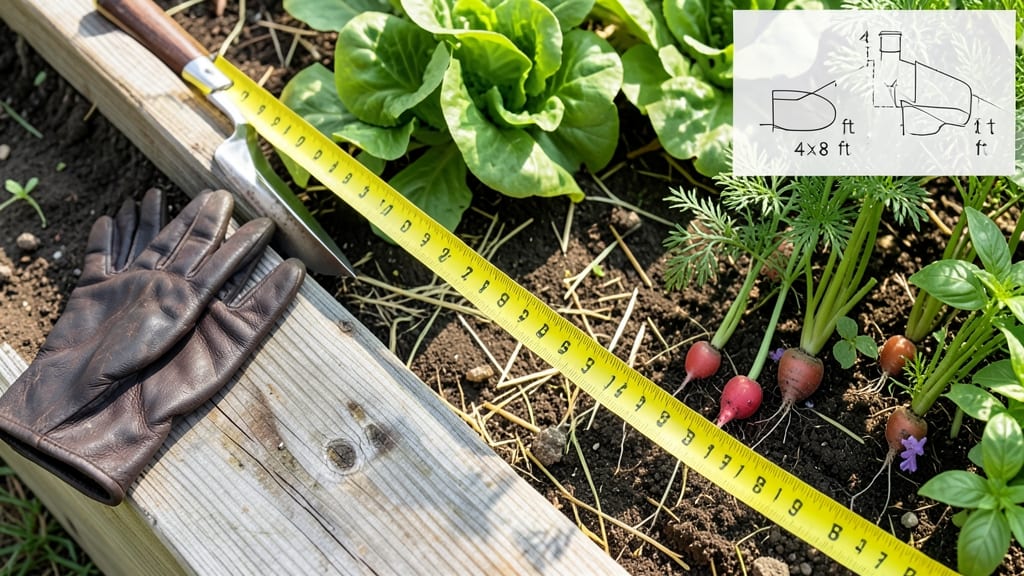
Determining garden bed size means aiming for 4 feet wide to allow easy access from both sides, with length adjusted to your available space, while soil depth should be between 6 to 12 inches to support healthy root development and proper drainage.
The 4-foot width rule isn't arbitrary—it lets you reach the center without stepping on soil, which compacts the earth and can stunt plant growth. 🌱 For raised beds, you can extend the height to 12 inches for deeper-rooted plants like tomatoes or carrots, while in-ground beds typically only need 6 inches.
Lengths can stretch as far as your space allows, but modular beds (like 4x8-foot sections) work better for small yards or uneven terrain.
Most vegetables and flowers thrive in these dimensions because they provide enough room for roots to spread while keeping weeds and pests more manageable. For example, leafy greens like lettuce need less depth than root crops like beets, so adjusting soil layers lets you customize beds for specific plants.
💡 In This Article
- How Garden Bed Dimensions Impact Plant Health and Yield
- Choosing the Right Garden Bed Size for Your Plants
How garden bed dimensions impact plant health and yield
The 4-foot width standard exists because it creates the perfect balance between accessibility and soil health. When you reach into a bed wider than this, your body weight compresses the soil along the edges, reducing aeration and root space.
This compaction forces plants to compete for oxygen, which slows growth and makes them more vulnerable to diseases like root rot. 🌱 For example, tomatoes planted in compacted soil may produce fewer fruits because their roots can't efficiently absorb water and nutrients.
The 4-foot rule also ensures you can comfortably tend to plants without stepping on the bed, which preserves soil structure.
Soil depth directly affects root development—most vegetables need at least 6 inches of loose soil to establish strong roots, while deeper-rooted plants like asparagus or carrots thrive in 12-inch beds. Shallow soil limits root spread, causing plants to become stunted or produce smaller yields.
For instance, a carrot planted in just 4 inches of soil will likely grow deformed because its roots can't extend downward properly. The extra depth in raised beds also helps retain moisture and warmth, which is especially beneficial for cold-sensitive plants like basil or peppers.
Bed length impacts how you organize your garden. Continuous long beds (like 8-foot lengths) work well for in-ground planting but can become difficult to maintain if they're too wide.
Modular beds (4x4 or 4x8 feet) are easier to manage and allow for crop rotation, where you move plant families to different sections each year to prevent soil-borne diseases.
For example, planting tomatoes in one modular bed one year and beans in the same space the next reduces the risk of blight, which thrives in tomato residue.
Weed suppression is another critical factor—wider beds give weeds more room to establish, while narrower beds (like 2-3 feet) are easier to keep weed-free but limit plant variety.
The 4-foot width strikes a balance by allowing you to plant densely enough to shade out weeds while still keeping the bed manageable. For instance, a row of marigolds planted along the edge of a 4-foot bed can naturally deter pests like nematodes, creating a self-sustaining ecosystem.
Soil aeration improves with proper bed dimensions. Loose, well-drained soil in a 12-inch-deep raised bed allows roots to breathe and water to drain efficiently, preventing waterlogged conditions that lead to fungal growth.
Compare this to an in-ground bed with just 6 inches of topsoil—it may suffice for shallow-rooted herbs like thyme but will struggle with heavier plants like squash, which need deeper, richer soil to support their vines.
Finally, consider your own reach and comfort. A bed that's too long forces you to stretch or step on the soil, while a 4x8-foot modular bed fits most wheelbarrows and tools perfectly. This practicality ensures you'll actually maintain your garden consistently, which directly impacts yield and plant health. 💫