
Tools
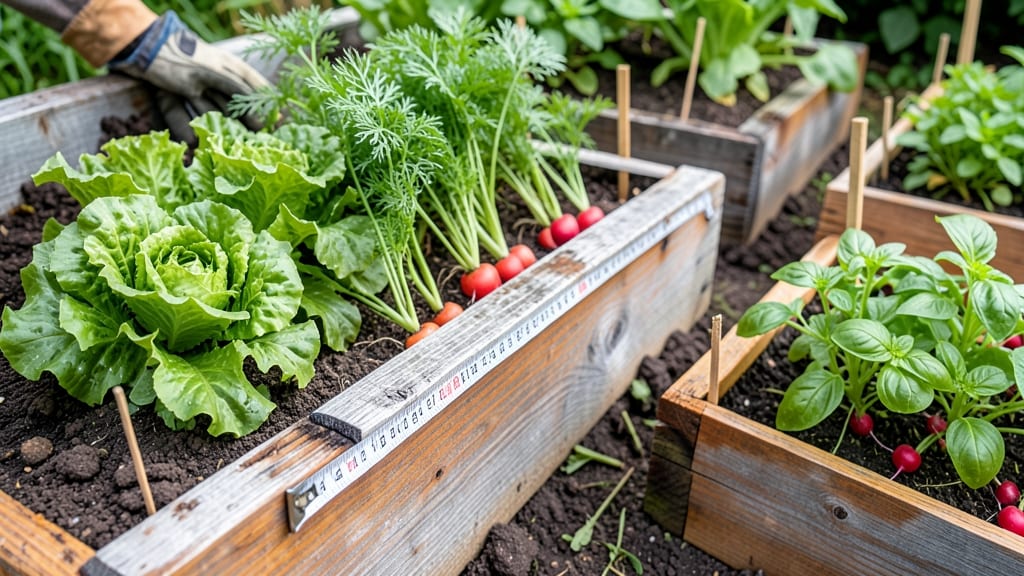
Designing the perfect garden bed width is all about balancing plant health, accessibility, and space efficiency—especially when every inch counts in your yard.
Picture this: You’re knee-deep in weeding, stretching just to reach the middle of a narrow bed, while your tomatoes crowd the edges, fighting for light.
That’s why getting the width right isn’t just about aesthetics—it’s about saving time, improving yields, and making your garden work for you, not the other way around.
Most gardeners swear by widths between 12 and 36 inches, a range that keeps plants well-spaced, soil easy to manage, and your back happy. Whether you’re working with raised beds, in-ground plots, or even containers, the right dimensions can turn a clunky chore into a smooth, satisfying routine.
In this guide, I’ll break down the science behind ideal widths, how to adjust for different plants and garden styles, and the simple tricks to measure and design beds that grow as efficiently as they look. Let’s get started!
Optimal garden bed width for plant spacing and growth
Designing the perfect garden bed isn't just about length—width plays a crucial role in plant health, sunlight exposure, and ease of maintenance. Research shows that garden beds between 12 to 36 inches wide strike the ideal balance between accessibility and plant spacing.
This range ensures your plants receive adequate sunlight while making weeding, harvesting, and tending a breeze without straining your back.
For example, a 24-inch wide bed is perfect for most vegetable gardens, allowing you to reach the center without stepping on the soil. Meanwhile, flower beds and herb gardens often thrive in slightly narrower widths (12-24 inches) to maximize airflow and reduce disease risk.
Let’s break down the science behind these dimensions and how they impact your garden’s success.
| Bed Width (inches) | Best For | Plant Spacing | Sunlight Access | Maintenance Notes |
|---|---|---|---|---|
| 12-18 | Herbs, small flowers, succulents | Tight (3-6 inches apart) | Full sun exposure | Easy to reach all plants |
| 24 | Vegetables, perennials, mixed borders | Moderate (6-12 inches apart) | Balanced sun/shade | Ideal for two-handed tending |
| 30-36 | Large plants, vining crops, raised beds | Wide (12-18 inches apart) | May require taller plants at edges | Use paths or stepping stones |
When planning your garden bed width, consider the maturity size of your plants. For instance, tomatoes and cucumbers need wider spacing (18-24 inches apart) to avoid competition, so a 30-inch wide bed is ideal.
In contrast, leafy greens like lettuce or spinach can thrive in narrower beds (12-18 inches) because they grow close together and don’t require as much elbow room.
Another critical factor is sunlight exposure. Wider beds (30+ inches) can create shade issues in the center, especially for tall plants like sunflowers or corn. To combat this, interplant shorter varieties on the edges or use vertical trellises to lift vining plants off the ground.
This not only maximizes sunlight but also improves airflow, reducing the risk of fungal diseases.
For raised garden beds, the width rule still applies, but you’ll also need to account for the bed’s depth. A 24-inch wide raised bed with 10-12 inches of soil depth is perfect for most vegetables, while herbs and flowers can thrive in shallower beds (6-8 inches deep).
The extra depth in raised beds allows for better root development, especially for deep-rooted plants like carrots or parsnips.
If you’re working with a small-space garden, like a balcony or patio, narrower beds (12-18 inches) are your best bet. These widths are manageable for container gardening and allow you to grow a surprising amount of produce.
For example, you can fit three rows of basil in a 12-inch wide bed, each spaced 6 inches apart, while still leaving room for a vertical trellis for cherry tomatoes.
Pro tip: Always leave a 12-inch path between beds to prevent soil compaction and make maintenance easier. This path also gives you space to kneel or stand comfortably while tending to your plants.
Over time, you’ll notice that well-planned bed widths reduce weeding time by up to 40%, as fewer weeds can establish themselves in tightly spaced, healthy plants.
Experiment with different widths in your garden to see what works best for your space and plants. Start with a 24-inch wide bed as your baseline—it’s the most versatile width for most gardeners.
Then adjust based on your plants’ needs and your own comfort level. With the right width, your garden will not only look stunning but also thrive with minimal effort.
🌱
How garden bed width affects accessibility and maintenance
When designing your garden beds, width isn't just about aesthetics—it directly impacts how easily you can reach plants, how efficiently you can weed, and even the quality of your soil.
A bed that's too wide forces you to step on soil, compacting it and damaging roots, while one that's too narrow wastes space. Finding the perfect balance ensures your garden stays healthy and your back stays happy.
For most gardeners, a 24- to 36-inch width strikes the ideal balance between accessibility and space efficiency. This range lets you reach the center of the bed without stepping on the soil, while still maximizing your planting area.
But whether you're working with raised beds, in-ground plots, or containers, the right width can make all the difference in your gardening experience.
In raised beds, width plays a critical role in soil health. Narrower beds (12-18 inches) dry out faster, requiring more frequent watering, while wider ones (36+ inches) risk soil compaction if you step on them.
The sweet spot? A 24-inch width with a 4-foot length—this size allows easy access from all sides while minimizing soil disturbance.
For in-ground garden plots, wider beds (up to 48 inches) can work if you use a walkway or stepping stones to avoid compacting soil. However, this approach reduces planting space and increases maintenance time.
A better strategy? Divide larger plots into 36-inch-wide sections separated by pathways, ensuring you can reach every plant without stepping on the soil.
If you're working with container gardening, width becomes less critical, but depth and spacing matter more. Opt for containers that are 12-18 inches wide to accommodate root systems while keeping plants accessible.
For example, a 16-inch-wide container can comfortably fit two tomato plants or four basil plants with proper spacing.
Remember, the key to efficient maintenance is minimizing soil compaction and maximizing reach. Whether you're weeding, harvesting, or pruning, a well-planned bed width ensures your garden stays productive and your gardening tasks feel effortless.
Start with 24-36 inches for most setups, and adjust based on your specific plants and space constraints.