
Size
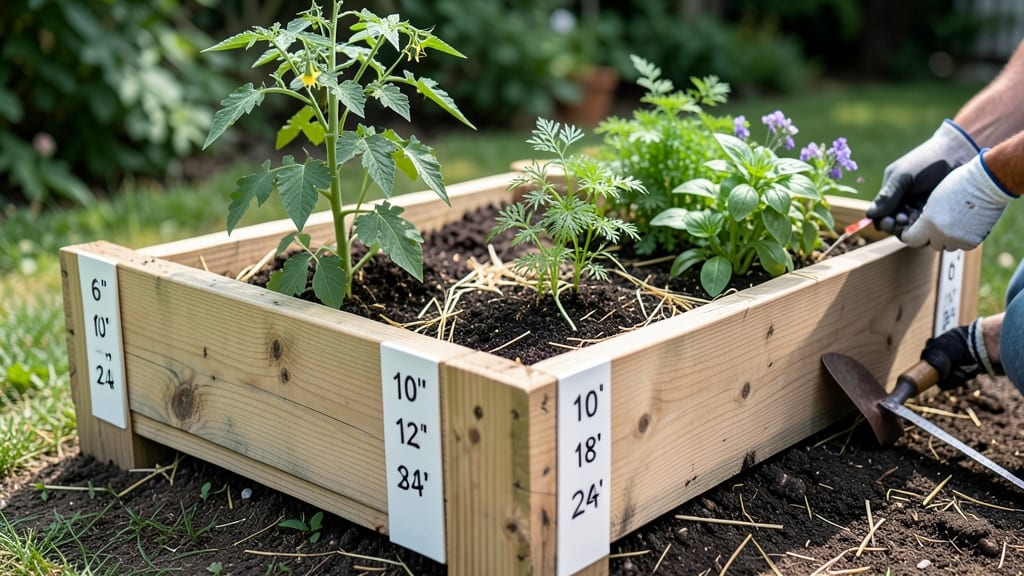
To determine how tall a raised garden bed needs to be, start with 6 to 12 inches for most vegetables and herbs, which prevents soil compaction while giving roots enough space. Deeper beds (12–18 inches) are ideal for root crops like carrots or potatoes, while shrubs and trees require beds 18+ inches tall.
Height isn't just about plant roots—it's also about drainage and long-term soil health. 🌱 Shallow beds (6–12 inches) work well for lettuce or basil, but deeper beds improve moisture retention and reduce weeding.
I’ve found that 12–18 inches is the sweet spot for most home gardens, giving you flexibility for different crops while keeping soil loose and aerated. If you’re growing heavy feeders like tomatoes or peppers, aim for the deeper end to support robust growth.
For accessibility, taller beds (18+ inches) make gardening easier on your back, but they also mean you’ll need to invest in quality materials like cedar or composite lumber to prevent rot.
Plus, deeper beds let you layer soil types—topsoil on top, compost in the middle, and gravel at the bottom—for better drainage and nutrient distribution. Think of it like building a plant-friendly skyscraper!
💡 In This Article
- Root Depth Requirements for Different Plants
- Building Raised Beds: Height Considerations for Soil Quality and Accessibility
Root depth requirements for different plants
The height of your raised bed directly impacts plant growth by accommodating root systems. Shallow-rooted plants like lettuce, radishes, and herbs (such as basil or thyme) thrive in beds just 6–12 inches deep.
Their roots spread horizontally rather than vertically, so they don’t need much vertical space—think of them like sunflowers with tiny taproots. 🌱 In contrast, deep-rooted vegetables like carrots, potatoes, and asparagus require 12–18 inches of soil to develop fully.
Without enough depth, these crops will grow stunted or forked, as their roots struggle to reach nutrients and water.
Tomatoes and peppers, while not as deep-rooted as carrots, benefit from 12–16 inches of soil to support their heavy foliage and fruit production. The extra depth improves stability and moisture retention, reducing the need for frequent watering.
For example, a tomato plant’s root system can spread up to 2–3 feet wide but only needs about 12–18 inches of depth to anchor properly.
Shrubs and small trees, like blueberries or dwarf fruit trees, demand even more space—18+ inches—to establish strong root systems and access deep water tables.
Soil compaction is another critical factor. In ground-level gardens, foot traffic or machinery can compress soil, restricting root growth. Raised beds eliminate this issue by keeping soil loose and aerated, especially in the top 6–12 inches.
Deeper beds also allow you to create a layered soil profile: topsoil for plants, compost for nutrients, and gravel at the bottom for drainage.
This stratification mimics natural soil conditions, giving roots the ideal environment to thrive. 🌿 For instance, asparagus crowns need 12 inches of loose soil to send up spears year after year without becoming woody.
Here’s a quick reference for common plants and their ideal bed heights:
- Herbs (basil, parsley, chives): 6–12 inches (shallow roots, fast-growing)
- Leafy greens (lettuce, spinach): 6–10 inches (prevents bolting from heat stress)
- Root crops (carrots, beets, radishes): 12–18 inches (prevents forking and stunted growth)
- Fruiting plants (tomatoes, peppers): 12–16 inches (supports heavy foliage and fruit)
- Perennials (asparagus, rhubarb): 12–18 inches (long-term root development)
- Shrubs/trees (blueberries, dwarf fruit trees): 18+ inches (deep anchoring for stability)
If you’re unsure about your plants’ root depths, check seed packets or plant tags—they often list recommended soil depths.
For container-grown plants, gently inspect the root ball before transplanting to gauge how much space they’ll need. 💡 This small step can save you from underestimating your bed’s height and ending up with disappointed harvests.
Pro tip: If you’re growing a mix of plants, opt for the deeper end of the range (12–18 inches) to accommodate both shallow and deep-rooted varieties.
You can always fill the extra space with compost or mulch to maximize nutrient density while keeping the bed manageable for weeding and maintenance.