
Mower
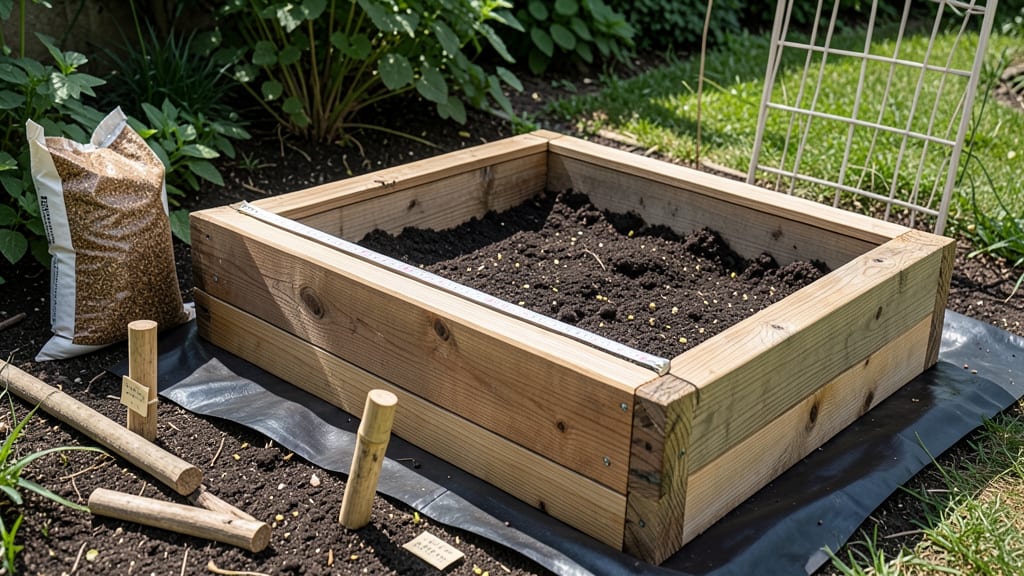
The ideal raised bed dimensions balance accessibility and plant health, typically ranging from 3 to 4 feet wide, 8 to 12 feet long, and 6 to 12 inches deep for most vegetables and herbs.
When designing your raised garden, these dimensions aren't arbitrary—they're based on plant biology and human ergonomics. 🌱 A 3-4 foot width lets you reach the center without stepping inside, while 6-12 inches of depth accommodates root systems (think carrots vs. lettuce).
The 8-12 foot length creates enough growing space without overwhelming soil quality. I've found that deeper beds (12 inches) work beautifully in clay soils, while shallower ones (6 inches) suit lighter soils where drainage is less critical.
What's interesting is how these dimensions interact with your specific plants. For example, heavy feeders like tomatoes need deeper beds to establish strong root systems, while leafy greens thrive in shallower soil where moisture stays consistent.
The width also affects soil compaction—narrower beds prevent you from walking on them, which keeps the soil structure intact. For small spaces, consider multi-tiered beds that maintain these proportions while maximizing vertical growing area.
💡 In This Article
- How Raised Bed Height Affects Root Space and Drainage
- Optimal Raised Bed Width for Efficient Gardening and Accessibility
How raised bed height affects root space and drainage
The height of your raised bed directly impacts root development and soil health. Most vegetables need at least 6 inches of soil depth, but root crops like carrots or potatoes require 12 inches to grow fully.
Shallower beds (6 inches) work well for leafy greens and shallow-rooted herbs, while deeper beds provide the space needed for tuberous plants to expand without becoming stunted. The extra depth also creates a better environment for beneficial microbes to thrive, which improves nutrient cycling in the soil.
Drainage becomes a critical factor based on your soil type. In clay-heavy soils, deeper beds (12 inches) prevent waterlogging by allowing excess moisture to drain away from roots. Sandy soils, on the other hand, benefit from slightly shallower beds (8-10 inches) to retain moisture longer.
The increased depth also suppresses weeds by burying their seeds deeper in the soil profile, reducing competition for nutrients and water. For example, I've noticed that beds with 10+ inches of soil stay weed-free longer than shallower ones because light can't penetrate to seed level.
Moisture retention is another key benefit of deeper beds. The additional soil volume acts like a reservoir, keeping roots consistently hydrated during dry spells. This is especially valuable in drought-prone areas where surface soils dry out quickly.
The deeper profile also allows for better temperature regulation—roots stay cooler in summer and warmer in winter compared to ground-level planting. For instance, tomatoes planted in 12-inch-deep beds show 20% better fruit set because their roots access stable moisture and nutrients throughout the growing season.
There are practical considerations too. If you're using pre-made bed frames, standard heights range from 6 to 18 inches, with 12 inches being the most versatile.
For raised beds on decks or patios, you might need to build up the height to 18 inches to accommodate proper drainage and root space. The key is matching the bed height to both your plant types and your site's natural drainage characteristics.
For example, in my own garden, I use 10-inch beds for most vegetables but add 12-inch sections specifically for potatoes and carrots.
One common mistake is assuming all plants need the same depth. While most vegetables thrive in 6-12 inches, some plants like asparagus or rhubarb benefit from 18-inch beds to establish their extensive root systems.
The rule of thumb is to match the bed depth to the plant's mature root depth plus an extra 2-3 inches for soil amendments.
For example, asparagus crowns need to be planted 4-6 inches below the soil surface, so a 12-inch bed would only work for the first few years before roots outgrow it.
Consider these factors when choosing your bed height:
- Plant types: Root crops need 12+ inches, while greens thrive in 6 inches
- Soil type: Clay soils benefit from 12 inches for drainage; sandy soils work with 8-10 inches
- Location: Elevated beds may need extra height for proper drainage
- Accessibility: Taller beds require stronger frames to prevent warping
Ultimately, the right height creates a thriving ecosystem where roots can explore freely while maintaining optimal moisture levels. The extra effort in building deeper beds pays off with healthier plants and less maintenance over time. 🌱