
How To
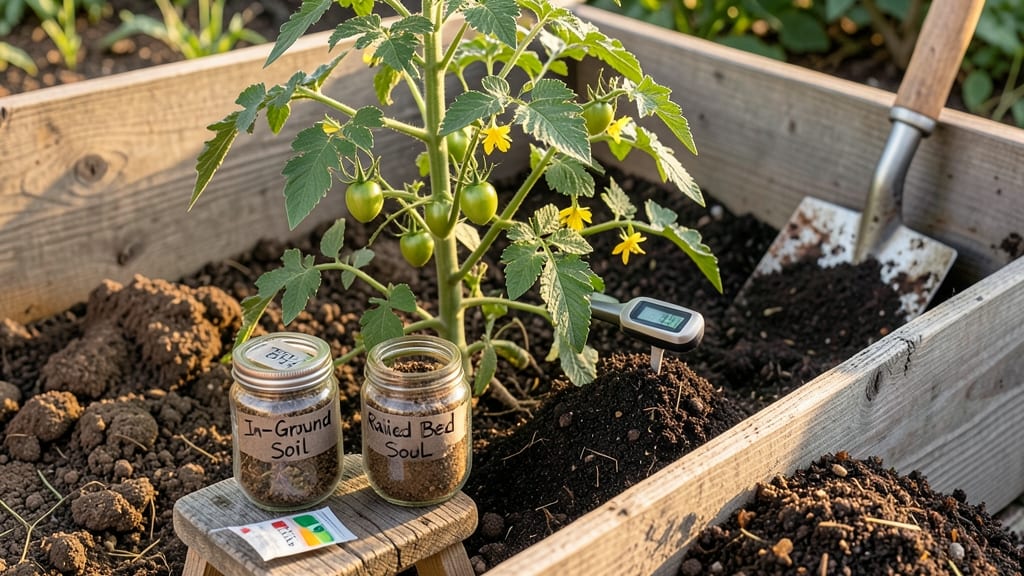
Your soil can make or break your garden—in-ground vs raised bed soil isn’t just about dirt, it’s about giving roots the perfect home. I’ve tested both methods for years, and the difference in plant health—especially for heavy feeders like tomatoes and peppers—is night and day.
The right choice depends on what your plants need most: loose, nutrient-rich layers or deep, undisturbed earth.
Raised beds give you control—soil mix, drainage, and aeration—but cost more upfront and dry out faster. In-ground soil is cheaper and holds moisture longer, yet compacted clay or sandy loam can strangle roots.
The key? Amending in-ground soil with compost or building raised beds with a 60/30/10 mix of topsoil, compost, and perlite. Both methods work, but your plants will thank you for understanding their needs.
For tomatoes and peppers, raised beds win with their consistent warmth and loose soil. Root vegetables like carrots and potatoes thrive in deep in-ground soil. Herbs and greens adapt to either, but raised beds let you grow in poor native soil.
The trade-off? Raised beds need more frequent watering, while in-ground gardens require less maintenance once established.
Here’s the bottom line: if your soil tests poorly or you’re working with clay, raised beds are the foolproof solution. For established gardeners with decent native soil, in-ground planting saves money and reduces water use. Either way, soil prep is everything—whether you’re tilling or building boxes.
The first option explained
If you're dreaming of lush, thriving gardens with minimal fuss, in-ground soil might just be your perfect match! 🌱 This classic gardening method leverages the natural earth beneath your feet, offering a low-maintenance, cost-effective way to grow your favorite plants.
Here’s why it’s a favorite among seasoned gardeners and beginners alike.
🌍 Key Characteristics
In-ground soil is, quite literally, the soil already present in your yard. It’s typically composed of a mix of topsoil, subsoil, clay, sand, and organic matter, depending on your location and local geology. Over time, it develops a unique structure influenced by weather, plant roots, and microbial activity.
The depth of in-ground soil can vary—sometimes shallow (just a few inches) or deep (several feet), depending on how well-drained and fertile it is.
✨ Benefits of In-Ground Soil
- Natural fertility: Over time, in-ground soil accumulates nutrients from decomposed plant matter and organic debris, creating a rich, balanced environment for roots.
- Cost-effective: No need to buy or build anything—just dig in! This makes it the most budget-friendly option for large-scale gardening.
- Better for perennials and deep-rooted plants: Trees, shrubs, and hardy perennials thrive in the deep, undisturbed soil, which allows roots to spread naturally.
- Cooler in summer and warmer in winter: The earth’s natural insulation helps regulate soil temperature, reducing stress on plants during extreme weather.
🌿 Typical Use Cases
In-ground soil is ideal for:
- Large gardens or landscapes: Perfect for lawns, orchards, or expansive vegetable patches where space isn’t a constraint.
- Perennial plants and trees: Their deep roots benefit from the natural depth and structure of in-ground soil.
- Low-maintenance gardening: Once established, in-ground gardens require less upkeep compared to raised beds, especially if the soil is already fertile.
Pro Tip: 💡 If your in-ground soil is heavy clay or sandy, consider amending it with compost or organic matter to improve drainage and nutrient retention!
The second option explained
Option B: Raised Bed Soil – The Elevated Advantage 🌱✨
If you’re dreaming of a garden that’s easier to manage, more productive, and visually stunning, raised bed soil might just be your secret weapon. Unlike in-ground planting, raised beds offer a controlled, customizable environment where soil quality, drainage, and root growth thrive—literally elevated above the ground’s natural limitations.
🔍 Key Characteristics
- Loose & Aerated: Raised beds allow for deep, fluffy soil that’s rich in organic matter, with minimal compaction. Roots spread freely, accessing nutrients without battling dense subsoil.
- Custom Soil Mix: You’re not stuck with what Mother Nature provides! Blend compost, peat moss, vermiculite, or coconut coir to tailor the perfect loose, well-draining medium for your plants.
- Warms Faster in Spring: Sunlight hits the soil directly, giving you a 2-3 week head start on planting compared to in-ground beds.
- Better Drainage: No soggy roots here—excess water drains quickly, preventing rot and fungal issues.
- Pest & Weed Control: Elevated edges create a natural barrier, keeping critters and invasive weeds at bay.
🌟 Top Benefits
Raised beds aren’t just a trend—they’re a game-changer for gardeners of all levels:
- Easier Accessibility: No more bending or kneeling! Perfect for back-friendly gardening and those with mobility challenges.
- Higher Yields: Plants grow faster and produce more because their roots aren’t competing with grass or compacted soil.
- Year-Round Flexibility: Build them anywhere—balconies, patios, or slopes—where in-ground planting would fail.
- Less Soil Erosion: The contained design keeps precious topsoil in place, even in heavy rains.
- Longer Growing Seasons: Use black fabric or row covers to extend harvests into fall and even winter in mild climates.
🌿 Typical Use Cases
Raised beds shine in scenarios where control, convenience, and productivity are priorities:
| Scenario | Why Raised Beds Win |
|---|---|
| Urban or Small-Space Gardening | Maximize vertical space with tall beds or stackable planters—ideal for balconies or tiny yards. |
| Poor or Contaminated Soil | Skip the hassle of amending heavy clay or polluted ground—just fill with fresh, nutrient-rich soil. |
| High-Value Crops | Tomatoes, peppers, and herbs thrive in loose, warm soil—boosting flavor and yield. |
| Accessibility Challenges | Adjustable heights make gardening possible for seniors, kids, or anyone with limited mobility. |
| Drought-Prone Areas | Retain moisture better than in-ground beds, reducing water waste. |
💡 Pro Tip: For ultra-loose soil, mix in permanent bed mulch (like straw or wood chips) to lock in moisture and suppress weeds without tilling.
Key differences
🌱 Soil Composition & Structure
One of the most noticeable differences between in-ground and raised bed soil lies in their natural composition. In-ground soil is often compacted over time due to foot traffic, machinery, or natural settling. This can limit root expansion and water absorption.
On the other hand, raised bed soil is typically looser and more aerated because it’s freshly mixed with compost, peat, or other organic matter. This makes it easier for roots to penetrate and for water to drain efficiently.
💧 Drainage & Water Retention
Raised beds excel in drainage—since they’re elevated, excess water flows out more quickly, reducing the risk of root rot. In-ground soil, however, can become waterlogged, especially in clay-heavy areas, leading to poor oxygen circulation for roots.
That said, in-ground soil may retain moisture longer in dry climates, requiring less frequent watering for deep-rooted plants.
🌡️ Temperature & Seasonal Effects
Raised beds warm up faster in spring and stay cooler in summer, creating a more stable microclimate for plants. In-ground soil, influenced by the earth’s natural insulation, may take longer to thaw in cold seasons and can overheat in extreme summer conditions.
This makes raised beds ideal for early planting but may require extra insulation (like mulch) in colder climates.
🌿 Nutrient Availability & Fertility
Raised beds allow for precise soil customization—gardeners can blend in high-quality compost, worm castings, or slow-release fertilizers for optimal nutrient density. In-ground soil, while rich in natural minerals, may lack consistency and require amendments like lime or organic matter to balance pH and fertility.
Over time, raised beds can deplete nutrients faster unless regularly replenished.
🔧 Maintenance & Soil Health
In-ground soil benefits from natural microbial diversity over decades, building long-term resilience. However, it’s prone to erosion and weed infiltration. Raised beds, while easier to amend and monitor, require more frequent upkeep—like replenishing compost—to maintain fertility.
Both methods can thrive with proper care, but raised beds offer quicker results for new gardeners.
When to choose which
Choosing between in-ground and raised bed soil depends on your gardening goals, climate, and available resources. Here’s when each option shines:
🌱 Pick In-Ground Soil When:
- You have natural, fertile soil: If your yard’s soil drains well and is rich in organic matter, in-ground planting maximizes root space and reduces maintenance.
- Budget-friendly gardening: No need to buy or build raised beds—just amend the existing soil with compost or mulch.
- Large-scale planting: Ideal for row crops (like potatoes or corn) or perennial gardens where deep roots thrive.
- Climate considerations: Warmer regions benefit from the earth’s natural insulation, protecting roots in winter.
🏡 Opt for Raised Beds When:
- Poor or compacted soil: Raised beds let you control soil quality by mixing in loose, nutrient-dense blends for better root growth.
- Limited space or urban gardening: Perfect for small yards, patios, or balconies where in-ground plots aren’t feasible.
- Easier access and less strain: No bending or kneeling—ideal for gardeners with mobility challenges or back pain.
- Faster warming in spring: Raised beds heat up quicker, giving you an earlier start for cool-season crops.
- Pest and weed control: Elevated edges deter burrowing pests and reduce weed competition.
Pro Tip: 💡 Mix both! Use raised beds for high-value crops (like veggies) and in-ground for perennials or trees to balance effort and yield.
The bottom line
So, in-ground vs. raised bed soil—which wins for your garden? 🌱 The truth? It depends on your goals! In-ground soil offers natural stability and lower maintenance, perfect for established plants and large-scale gardening.
But if you crave control over drainage, fertility, and root space, raised beds are the MVP—ideal for veggies, flowers, and small spaces.
Need a quick cheat sheet? Here’s the scoop:
- In-ground: Best for long-term, low-effort gardens with existing healthy soil.
- Raised beds: Ideal for customization, faster growth, and problem soils (like clay or sand).
Still unsure? Start small—try a raised bed for your next crop or amend in-ground soil with compost. Either way, your plants will thrive! 🌿