
Landscaping
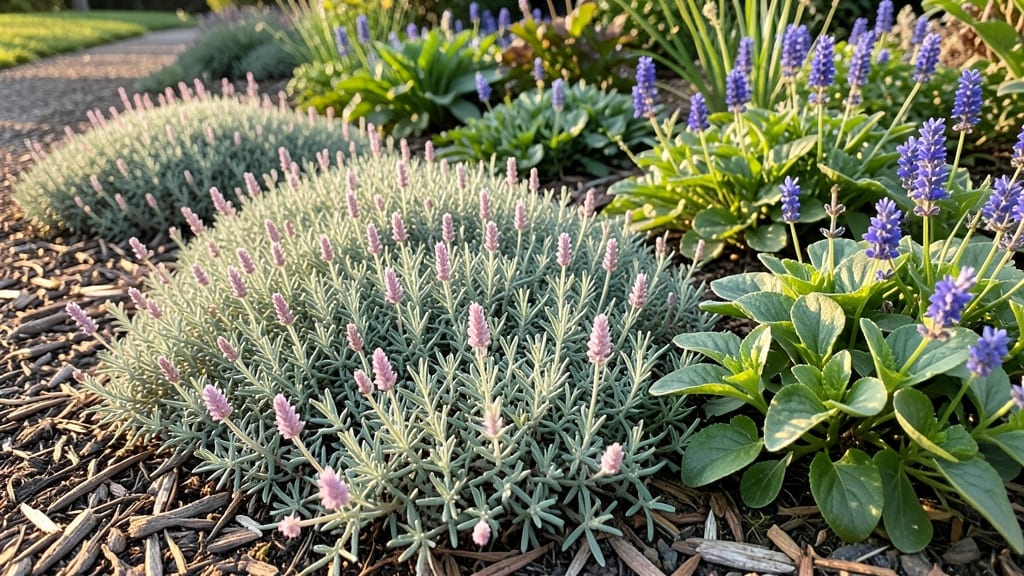
Tired of mulch spilling into your lawn or garden beds looking messy? These 10 low-maintenance mulch bed edging ideas create clean, defined borders that enhance your garden’s aesthetic while saving you time on upkeep. Perfect for both novice and experienced gardeners, these solutions work for any yard style.
Galvanized Metal Landscape Edging
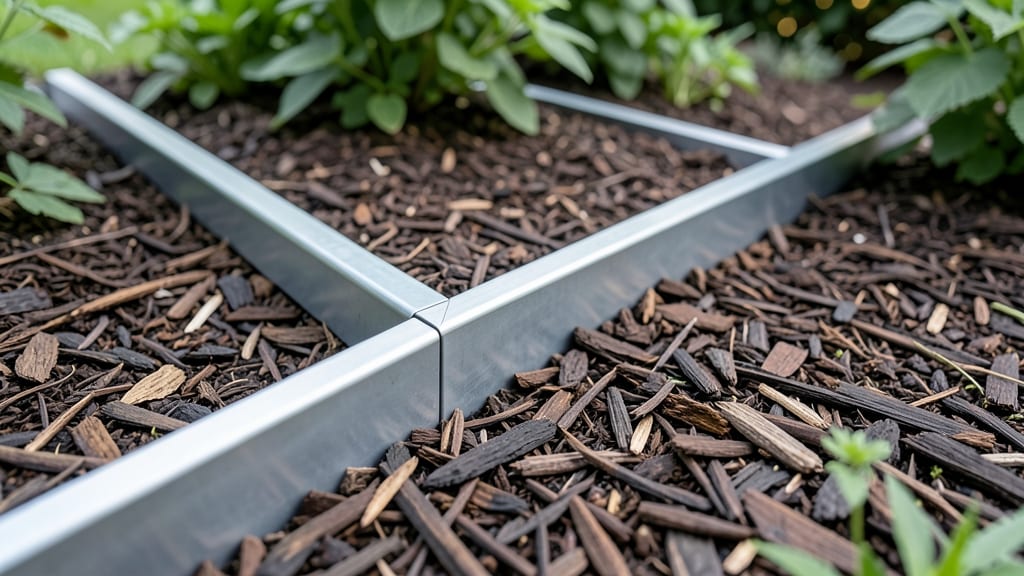
Want a garden border that looks polished and lasts for decades without fading or warping? Galvanized metal landscape edging delivers that sleek, professional finish while standing up to heavy foot traffic and harsh weather. The zinc coating prevents rust, ensuring your borders stay sharp and clean for years—even in formal gardens or high-traffic areas.
Installation is straightforward: simply stake the flexible metal strips into the ground along your bed’s perimeter. The durable material resists bending under mulch weight, keeping your design crisp and contained. Unlike wood or plastic, galvanized metal won’t rot, crack, or fade over time, making it ideal for long-term projects. Plus, its reflective surface adds a subtle, modern contrast to dark mulch.
Perfect for gardeners who prioritize longevity and aesthetics, this edging is especially useful in formal landscapes or near pathways where durability matters most. 💪
Flexible Plastic Garden Edging
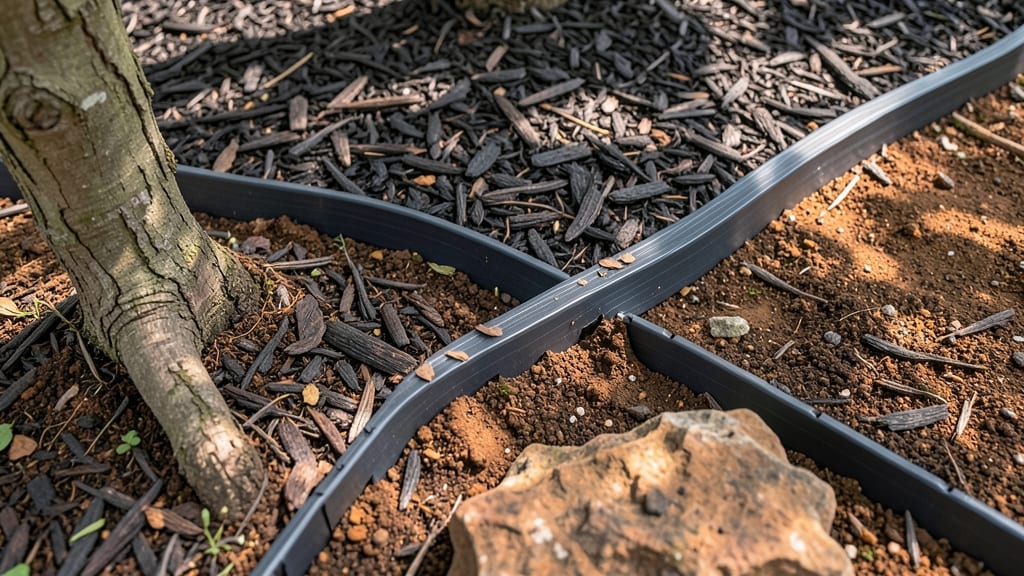
Struggling to keep mulch contained without breaking the bank? Flexible plastic garden edging is your answer—it’s lightweight, affordable, and bends effortlessly around curves, tree roots, or uneven terrain. Unlike rigid materials, this edging snaps into place in minutes, making it ideal for DIYers or temporary solutions like seasonal planting beds.
Available in rolls for just a few dollars per foot, this edging resists weathering and won’t rot like wood. Simply cut to length, interlock the edges, and press it into the ground—no tools required. It’s also weed-blocking when paired with landscape fabric, saving you hours of pulling weeds later. Perfect for renters, small-space gardeners, or anyone who wants a clean look without the hassle.
This versatile option works for everything from herb spirals to vegetable gardens, and you can even remove it later if your layout changes. 💡
Natural Stone or Brick Edging
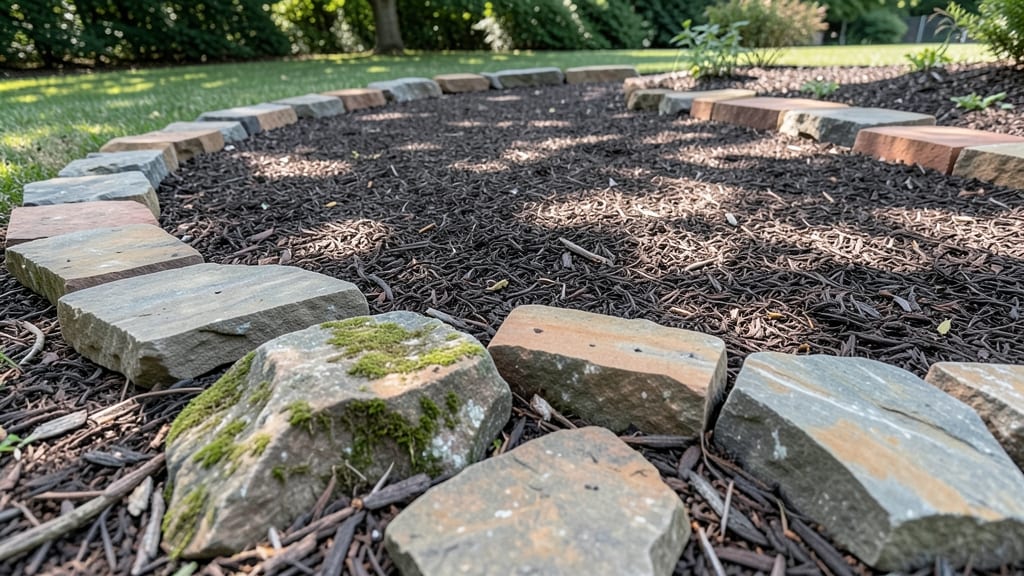
Want a garden border that looks like it’s been there for decades—without the upkeep? Natural stone or brick edging delivers that classic, high-end look while keeping mulch in place permanently. Unlike temporary materials, these borders age gracefully, adding character to your landscape over time.
For best results, choose locally sourced stones (like slate or flagstone) or clay bricks that complement your home’s exterior. Install them in a slightly curved or staggered pattern to create visual interest while maintaining structural integrity. This edging works especially well around perennial beds or foundation plantings, where long-term durability matters most.
Homeowners with traditional or high-value properties will appreciate how stone or brick elevates curb appeal while requiring minimal maintenance. Just avoid placing them too close to plant roots to prevent moisture buildup. ✨
Wooden Garden Edging Stakes
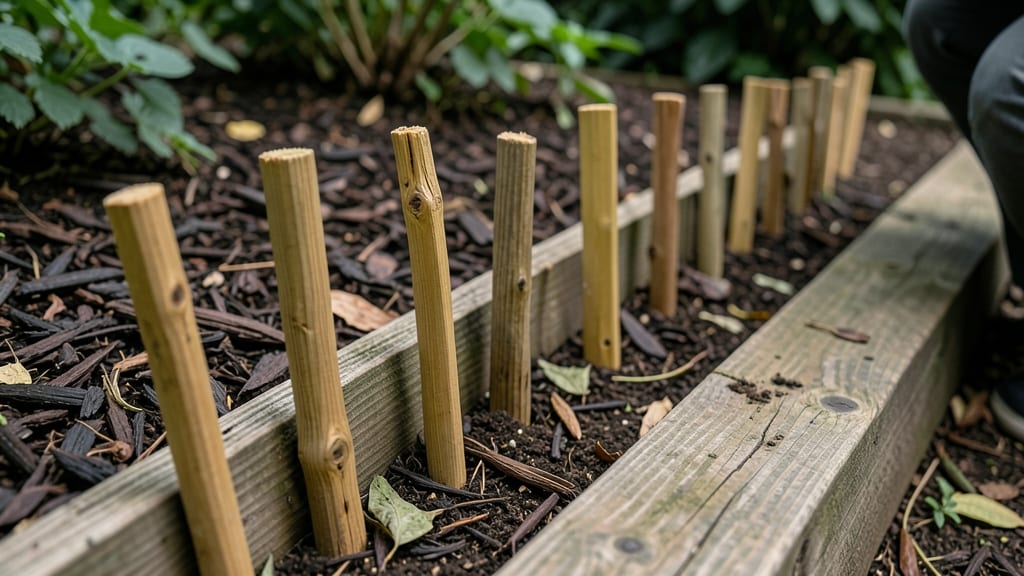
Want to create a natural, rustic border without breaking the bank or committing to permanent materials? Wooden garden edging stakes are your answer—simple, affordable, and biodegradable for a temporary or organic-friendly solution.
Made from untreated wood like cedar or pine, these stakes are easy to hammer into the ground along your bed’s perimeter. They’re ideal for small flower beds, herb gardens, or temporary pathways, where a quick, low-cost border keeps mulch in place. For extra durability, treat them with a natural wood preservative if you’re using them long-term.
Perfect for eco-conscious gardeners or those renting property, these stakes blend seamlessly into cottage-style gardens while offering a zero-waste option that decomposes naturally over time. 🌿
Concrete or Pavers as Edging
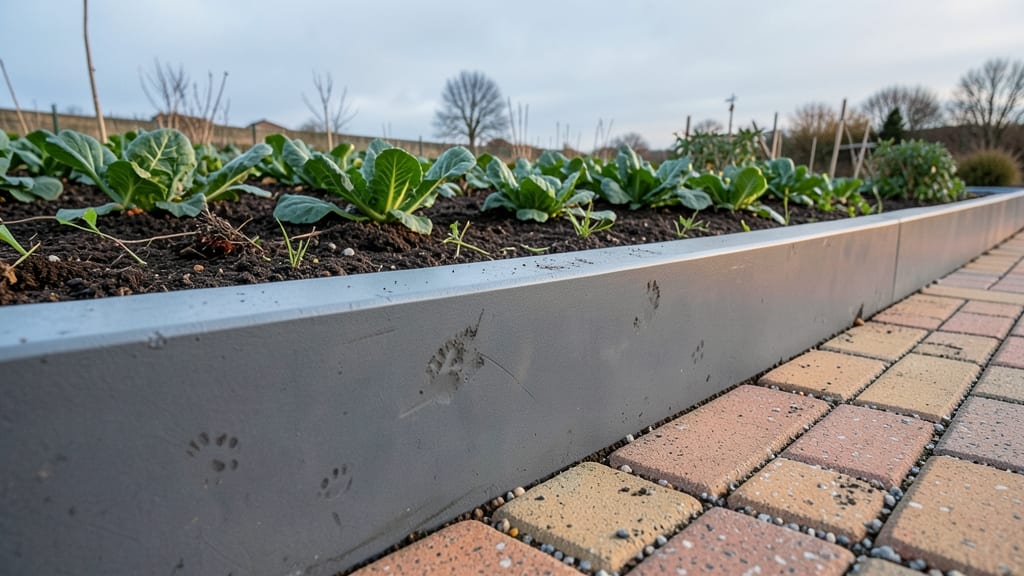
When your garden sees constant foot traffic—whether from kids, pets, or frequent harvesting—you need an edging that won’t crumble under pressure. Concrete or pavers deliver unmatched durability, creating a heavy-duty border that stays intact for years, even in high-activity vegetable gardens or urban plots.
Concrete edging can be poured directly into a trench for a seamless, modern look, while pavers offer customizable patterns and easy repairs if damaged. Both materials resist erosion, weeds, and mulch spread while allowing for excellent drainage. For extra stability, install a gravel base before laying pavers or pouring concrete to prevent shifting over time.
This option is ideal for urban gardeners, community plots, or families with active kids—no more replacing broken wood or bending metal. The clean lines also elevate your garden’s design, making it perfect for both functional and aesthetic goals. ✨
Landscape Fabric with Staked Edging
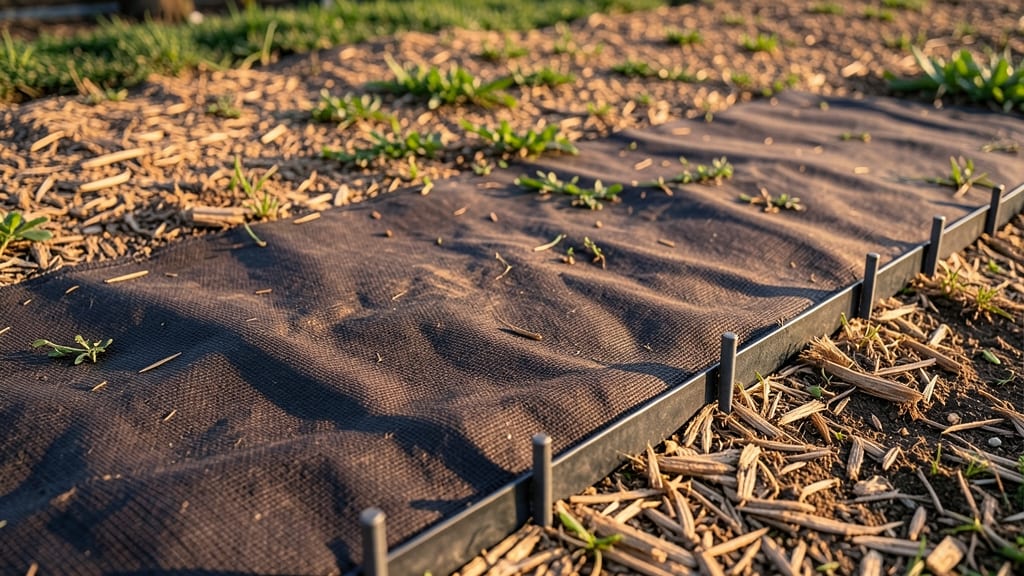
Struggling with weeds that pop up faster than you can pull them? Landscape fabric with staked edging is your secret weapon for a tidy, weed-free garden without the backbreaking work. This dual-layer system smothers weeds while keeping mulch neatly contained—ideal for slopes or tricky spots where traditional edging just won’t stay put.
Start by laying landscape fabric (30-45 inches wide) over the bed, securing it with U-shaped metal stakes every 2-3 feet. The fabric blocks weed seeds from sprouting while allowing water and air to reach plant roots. Top it with 2-3 inches of mulch to suppress weeds further and retain moisture. For slopes, anchor the fabric with landscape staples or heavier stakes to prevent shifting.
This method is a game-changer for busy gardeners or those with weed-prone soil. It’s also budget-friendly and easy to install—perfect for DIYers who want a clean, low-maintenance look without the hassle of permanent edging. 💪
Recycled Rubber Mulch Edging
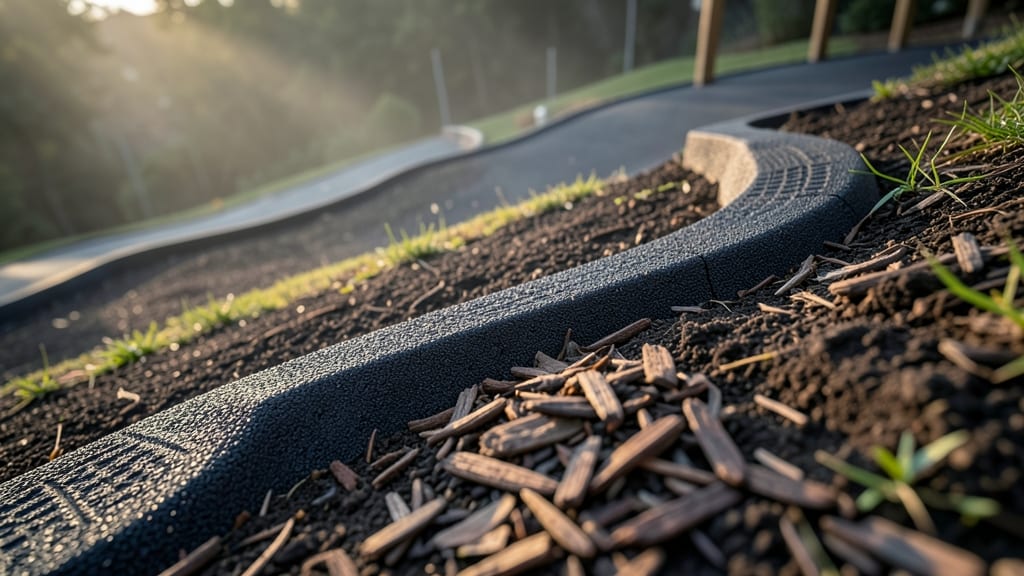
Want a mulch edging that’s as tough as it is kind to the planet? Recycled rubber mulch edging is your answer—durable, flexible, and made from repurposed tires. This eco-conscious choice resists erosion, making it perfect for slopes, playgrounds, or areas where traditional materials would crumble under pressure.
Its flexible design allows it to conform to curves and uneven terrain without breaking, while its weather-resistant properties mean no fading or cracking over time. Plus, it’s lightweight yet sturdy enough to handle foot traffic, making it ideal for family gardens or community spaces. Sustainable gardeners will love that it diverts waste from landfills while keeping mulch neatly contained.
This option is especially great for those prioritizing long-term sustainability without sacrificing functionality. It’s the perfect blend of eco-friendliness and practicality for modern gardens. 🌱
DIY Cinder Block Edging
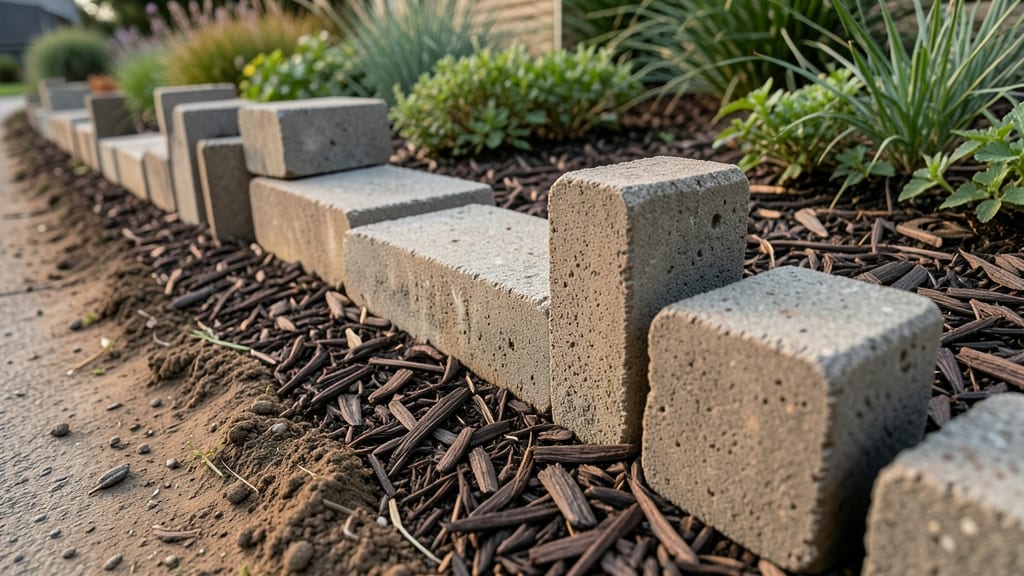
Looking for a low-cost, high-impact way to define your garden beds without breaking the bank? Cinder blocks are your secret weapon—stacked or laid flat, they create a sturdy, customizable border that blends rustic charm with industrial grit.
Start by digging a shallow trench along your bed’s perimeter, then place cinder blocks side by side or stack them vertically for height. Fill the trench with soil to secure them in place. Paint or stain them for a pop of color, or leave them natural for a raw, urban-farm aesthetic. This method works especially well for large vegetable gardens or pathways where you want durability without the expense of pavers.
Perfect for DIYers on a budget, this edging is weather-resistant and easy to modify. Plus, you can repurpose blocks from old construction projects—zero waste, all style. 💪
Galvanized Steel Tape Edging
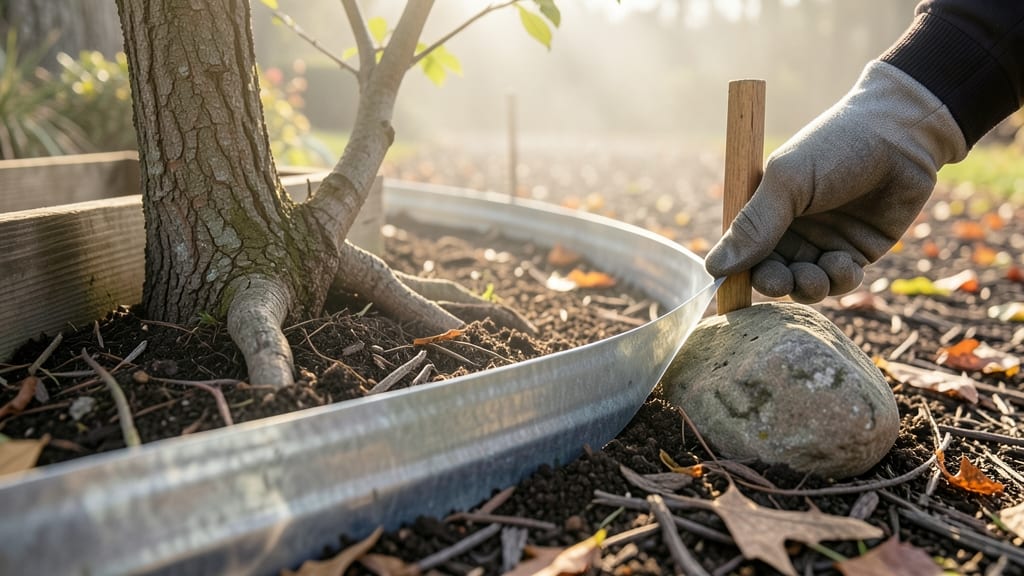
If you’re a renter, seasonal gardener, or just love experimenting with layouts, galvanized steel tape edging is your secret weapon. This ultra-lightweight solution bends effortlessly around curves, corners, and obstacles—perfect for small beds or temporary setups that won’t survive a full move-out.
Simply unroll the tape along your bed’s perimeter, overlap the edges slightly, and secure with a staple gun or nails. The corrosion-resistant coating ensures it lasts through wet seasons, while its flexibility lets you create clean lines without cutting or drilling. Best of all, it peels away cleanly when it’s time to pack up or redesign. 💡
This edging shines for container gardens, window boxes, or even temporary herb spirals—giving you a polished look without commitment. Renters and urban gardeners will love how it transforms messy mulch piles into crisp, defined spaces in minutes. ✨
Living Edging with Plants

Skip the hardware store and let nature do the work with living edging—a self-sustaining border that grows right into your garden. Instead of plastic or metal, use creeping thyme or ajuga to create a fragrant, drought-tolerant barrier that blends seamlessly with your landscape.
These low-growing perennials spread quickly, crowding out weeds while adding texture and color. Plant them in a sunny, well-drained spot and water lightly until established—after that, they thrive with minimal care. The best part? No mulch spillover, no sharp edges, just a soft, organic transition between your bed and lawn.
Perfect for organic gardeners or those who love a hands-off, natural aesthetic, living edging also attracts pollinators and improves soil health over time. 🌿