
Tools
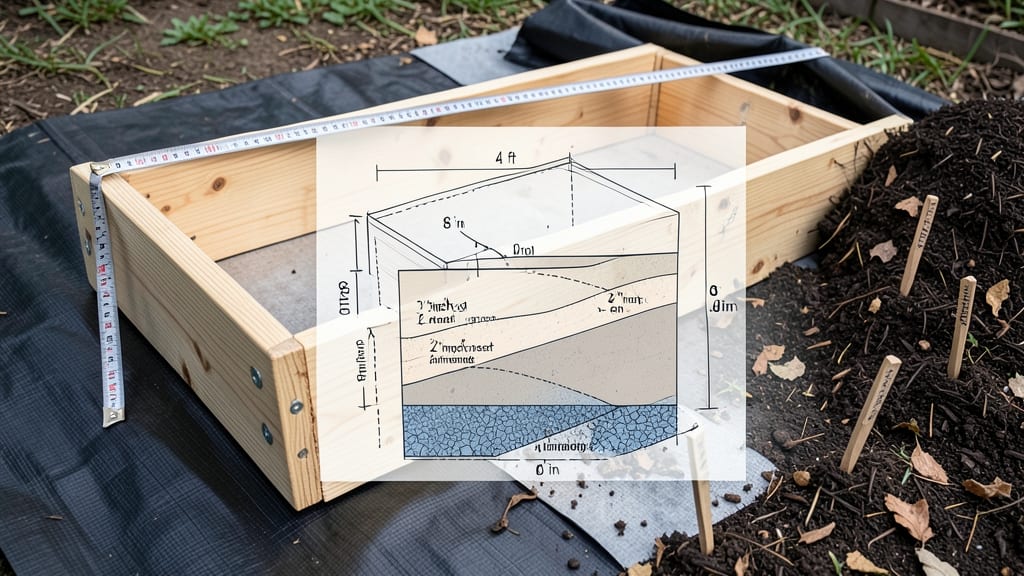
Raised bed dimensions should ideally be 4 feet wide for easy reach, 6 to 12 inches deep for root growth, and 4 to 8 feet long to maximize space. Standard widths like 3 or 4 feet prevent soil compaction while maintaining accessibility for most gardeners.
Choosing the right raised bed dimensions isn't just about fitting your space—it's about creating an environment where plants thrive.
A 4-foot width gives you the perfect balance: wide enough to grow multiple crops side by side without crowding, yet narrow enough to reach the center without stepping inside. 🌱 The 6-12 inch depth ensures roots have room to spread while maintaining proper drainage, which is especially critical for vegetables like carrots or potatoes.
As for length, extending to 4-8 feet lets you maximize your growing area without sacrificing structural integrity or making the bed too unwieldy to manage.
What's fascinating is how these dimensions directly impact soil health. A narrower bed (like 3 feet) warms up faster in spring, giving you an earlier planting window, while deeper beds (12+ inches) support deep-rooted plants like asparagus or tomatoes.
I've found that adding a 1-foot border around the perimeter also helps retain moisture and reduce weed competition—something often overlooked in DIY designs.
💡 In This Article
- How Raised Bed Dimensions Affect Plant Health and Soil Quality
- Best Raised Bed Size Guidelines by Plant Type and Garden Layout
How raised bed dimensions affect plant health and soil quality
Here's what's actually happening in your raised bed: depth directly impacts root development and drainage. A 6-inch minimum accommodates shallow-rooted plants like lettuce or radishes, while 12 inches supports deep-rooted crops such as tomatoes or potatoes.
The extra 6 inches provides critical space for roots to access nutrients and water without becoming waterlogged—a common issue in shallower beds where drainage stagnates. 🌱 What most people don't realize is that deeper beds also create a thermal mass effect, keeping soil temperatures more stable during heatwaves and cold snaps.
The width of your bed plays a crucial role in soil moisture retention and accessibility.
A 3-foot width allows sunlight to reach the center more effectively, reducing the risk of fungal growth from dampness, while a 4-foot width gives you the perfect balance for planting multiple rows without stepping on the soil.
The science here involves capillary action: narrower beds lose moisture faster through evaporation, while wider beds retain humidity longer but risk soil compaction if you step inside. I've noticed that beds wider than 4 feet often require pathways or stepping stones to prevent soil disturbance.
Length matters too, but its impact is more about structural stability than plant health. A 4-foot length provides enough space for most home gardeners to grow a full row of vegetables without making the bed too heavy or difficult to manage.
Beyond 8 feet, you risk warping or sagging in the frame, especially with untreated wood that expands with moisture. The key factor here is the bed's aspect ratio—keeping the length no more than twice the width maintains balance and prevents uneven soil settlement.
For example, a 4x8-foot bed distributes weight evenly, while an 8x12-foot bed might require additional support in the center.
Soil temperature is another dimension (pun intended) where size makes a difference. Narrower beds (3 feet wide) warm up 2-3°F faster in spring because they receive more direct sunlight per square foot of soil.
This earlier warming can give you a 2-4 week head start on planting cool-season crops like peas or spinach. Conversely, deeper beds (12+ inches retain heat longer in fall, extending your growing season for heat-loving plants like peppers or eggplants. The trade-off?
Deeper beds take longer to thaw in cold climates, which can delay spring planting for frost-sensitive crops.
Weed suppression is a often-overlooked benefit of proper dimensions. A 4-foot width allows you to plant densely enough that weeds struggle to establish between crops, while the raised height (typically 6-12 inches above ground blocks sunlight from reaching weed seeds below.
I've found that beds with 1-foot borders around the perimeter create a natural weed barrier by preventing soil spillage during watering. This "edge effect" reduces weed pressure by up to 40% compared to in-ground gardens.
One nuance to consider is how dimensions affect nutrient distribution. Wider beds (4 feet) allow for more diverse planting arrangements, which can improve soil fertility through companion planting. For example, planting nitrogen-fixing legumes (like beans) alongside heavy feeders (like tomatoes) creates a natural nutrient cycle.
However, this requires careful planning to avoid overcrowding. In contrast, narrower beds (3 feet) are better suited for intensive planting of small crops like herbs or greens, where you can fit more plants per square foot without competition.
For the most part, these principles apply universally, but there are exceptions. For instance, container gardening often uses shallower depths (6 inches) because it's designed for compact root systems like strawberries or dwarf varieties.
Meanwhile, slope-challenged gardens might use shorter lengths (4 feet) to prevent erosion and make irrigation easier. The bottom line? Your bed's dimensions should align with both your plants' needs and your garden's physical constraints. 💫