
Tools
Transform limited space into a thriving garden with these 10 raised bed planting ideas. Each design maximizes yield, soil health, and visual appeal using proven layered soil techniques perfect for small urban yards or suburban patios.
Vertical Herb Tower with Edible Flowers
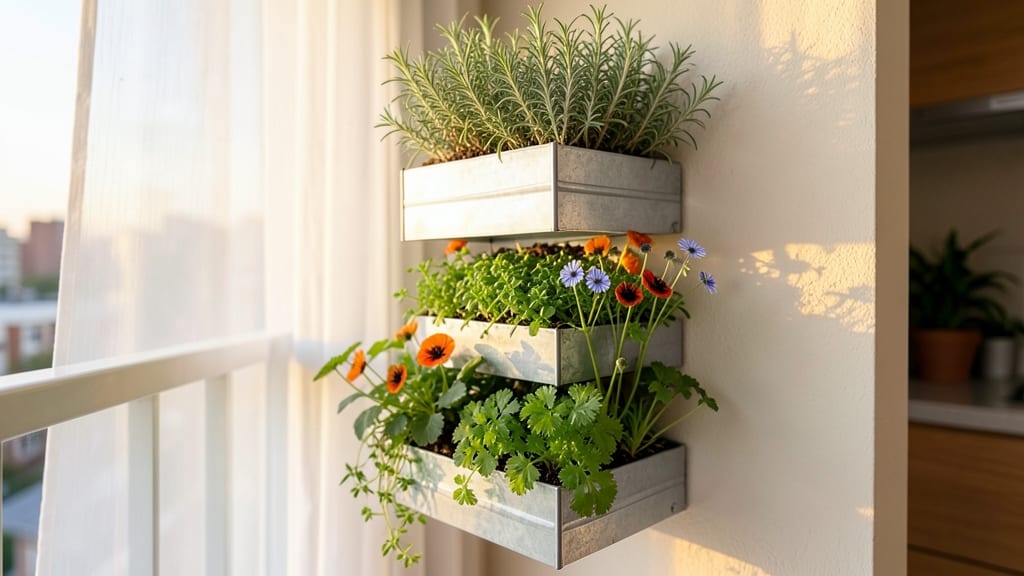
Turn your tiny balcony or kitchen corner into a fragrant, functional garden with a vertical herb tower that doubles as a pollinator magnet. This space-saving design lets you grow six to eight herbs—like rosemary, thyme, and parsley—plus edible flowers such as nasturtiums or borage, all within a 2-foot square footprint.
Use a pre-made tower or DIY with stacked pots and a trellis for climbing varieties. Plant sun-loving herbs (6+ hours of light) in the upper tiers and shade-tolerant ones (like cilantro) below. The key is well-draining soil—mix equal parts potting mix and perlite—and water from the top to ensure even moisture. Harvest flowers like nasturtiums to add peppery flavor to salads while keeping bees buzzing.
Perfect for urban gardeners or anyone craving fresh herbs without sacrificing counter space, this tower keeps your kitchen stocked and your garden buzzing with life. 🌿
Square Foot Tomato Basil Salad Garden
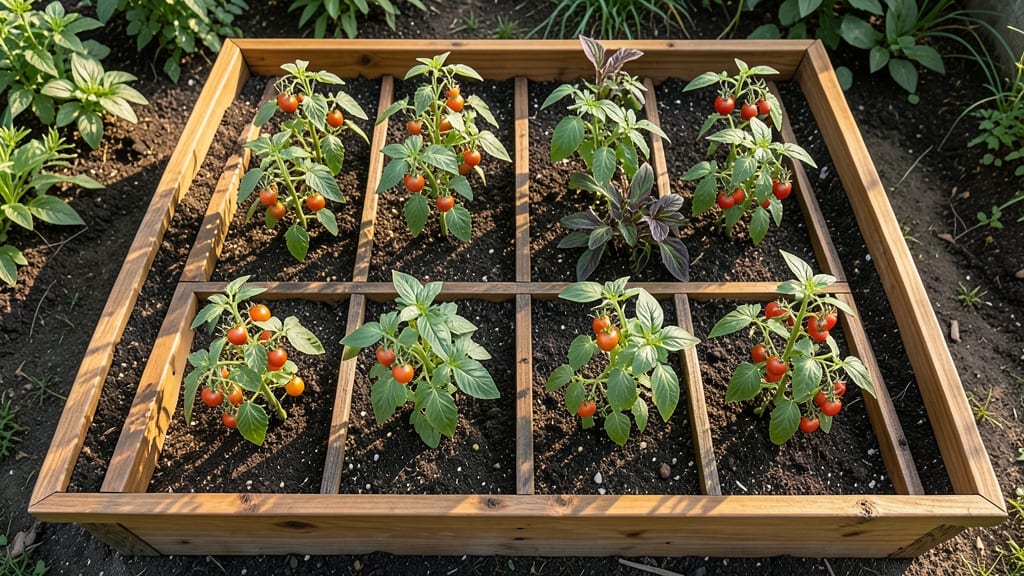
Skip the sprawling tomato patch—this 4x4-foot raised bed packs 16 cherry tomato plants and basil into a single, salad-ready space without crowding. The secret? A square-foot grid layout where each plant gets exactly 1 square foot of space, ensuring optimal airflow and sunlight for both tomatoes and basil.
Start by dividing your bed into a 4x4 grid (16 squares total). Plant 1 cherry tomato seedling per square (use determinate varieties like 'Sweet 100' for compact growth) and 1 basil plant every 2 squares to allow for spreading. Add a cage or stake to each tomato plant early to prevent sprawling, and mulch with straw to retain moisture. This design thrives in full sun (6+ hours daily) and produces enough tomatoes and basil for weekly salads—no grocery store needed!
Perfect for urban gardeners, balcony spaces, or anyone who wants fresh ingredients without dedicating an entire garden bed. Plus, the basil’s fragrance naturally deters pests from the tomatoes, making this a low-maintenance, high-reward combo. 🌱
Three-Level Potato and Carrot Stack
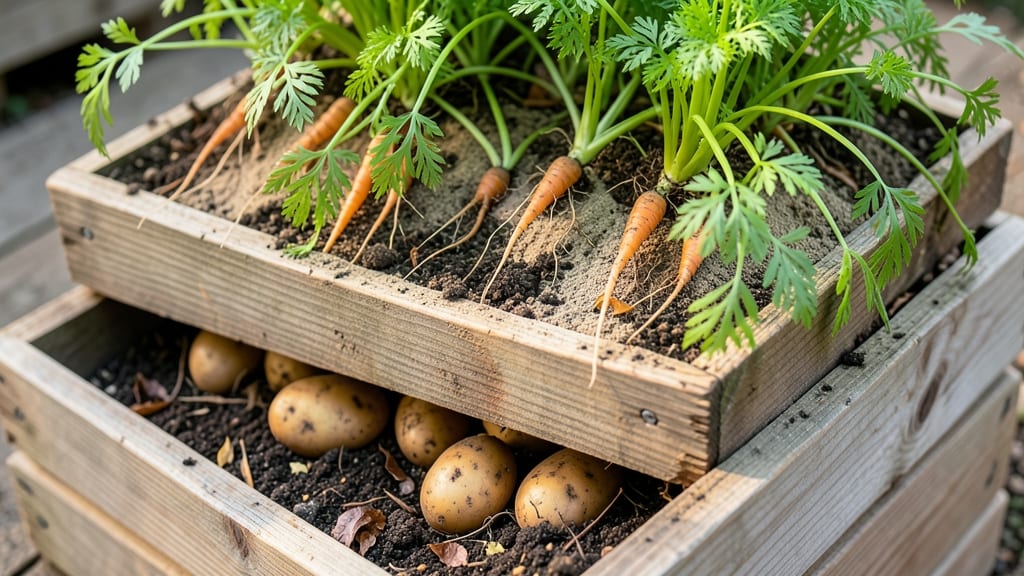
Turn your small garden into a root vegetable powerhouse with this three-level potato and carrot stack—a vertical growing system that lets you harvest potatoes from the bottom while carrots grow upward in the same space. Perfect for urban gardeners or anyone with limited square footage, this design doubles your yield without expanding your footprint.
Start by planting seed potatoes in the bottom layer, then add a 6-inch soil barrier before planting short carrot varieties (like 'Paris Market' or 'Little Finger') in the middle and top tiers. The potatoes will grow downward through the bottom layer, while the carrots extend upward through the top layers. Use well-draining soil mixed with compost to ensure both crops thrive, and water consistently to keep the soil moist but not soggy.
This system is ideal for beginners or anyone short on space—just ensure each tier has at least 12 inches of soil depth for potatoes and 8 inches for carrots. You’ll enjoy a year-round harvest with minimal maintenance! 🌱
Mediterranean Herb Spiral Design
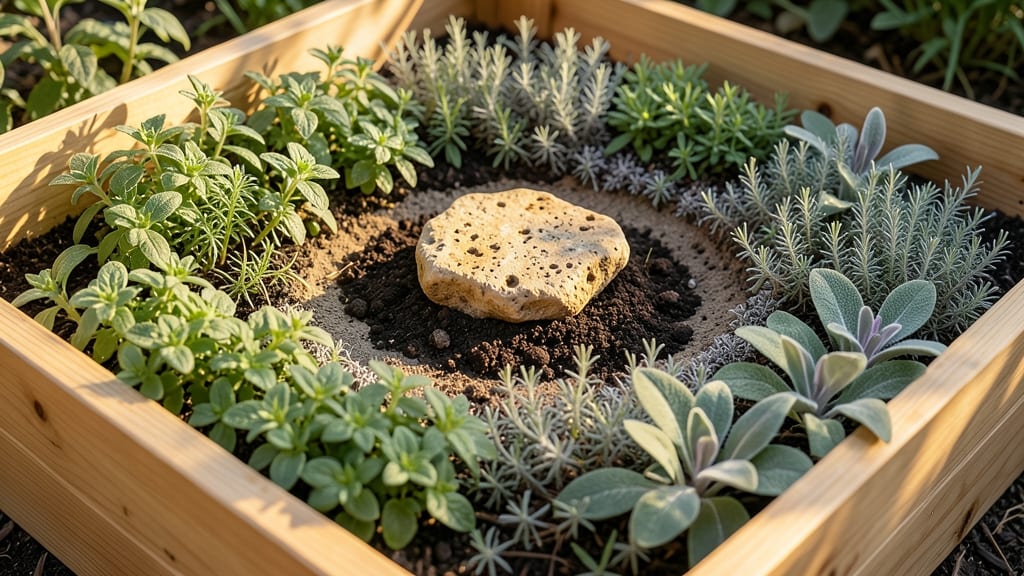
Craving fresh oregano, thyme, and sage straight from your garden? A Mediterranean herb spiral transforms a single raised bed into a fragrant, multi-layered oasis that mimics the climate of the region where these herbs thrive.
This circular design starts with a stone centerpiece to retain heat, surrounded by concentric rings of soil with varying moisture levels. Place drought-tolerant rosemary at the center (where it's driest) and moisture-loving mint at the outer edges. The spiral's natural airflow prevents fungal diseases while creating ideal conditions for each herb's unique needs. Perfect for small spaces, it yields more herbs in less area than traditional rows.
This design is especially rewarding for home cooks who love Mediterranean flavors—just snip what you need as you cook. It also doubles as a stunning focal point in your garden. 🌿
Salad Bar Succession Planting System
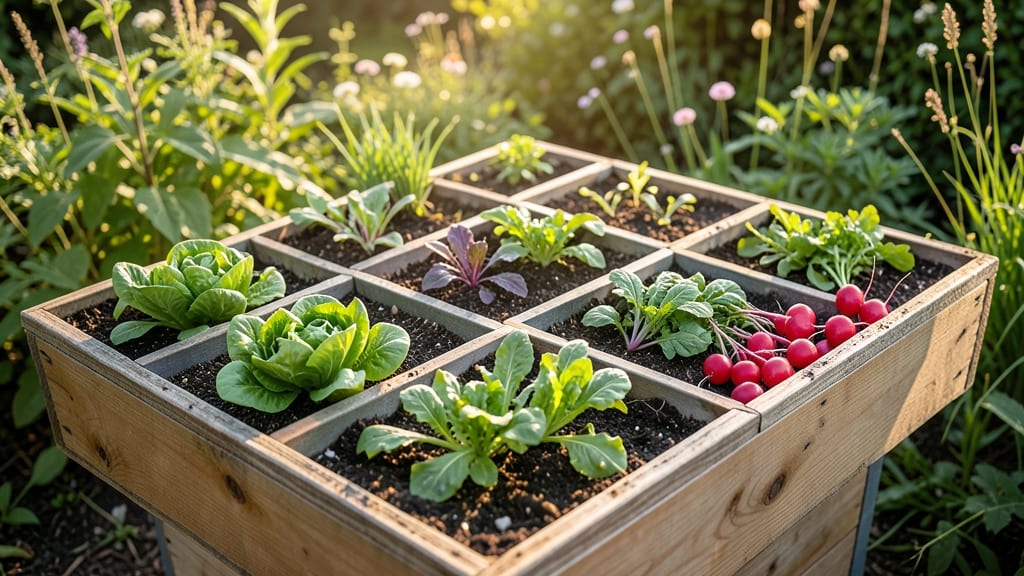
Say goodbye to summer salad slumps—this modular salad bar system lets you harvest fresh greens every 3-4 weeks, from early spring to late fall. Instead of one-time plantings, you’ll enjoy 4-6 successive harvests of crisp lettuce, peppery spinach, and spicy radishes in the same space.
Divide your raised bed into removable sections (use wooden crates or landscape fabric) and plant fast-maturing varieties in staggered rows. Start with radishes (25 days) in early spring, swap for spinach (40 days) as temperatures rise, then transition to heat-tolerant lettuce varieties like 'Black Seeded Simpson' by midsummer. Each section can be replanted when the previous crop is harvested, ensuring a continuous supply.
This system is perfect for urban gardeners with limited space or anyone tired of buying store-bought greens. With minimal effort, you’ll enjoy homegrown salads all season long. 🌿
Peppers and Strawberries Companion Beds
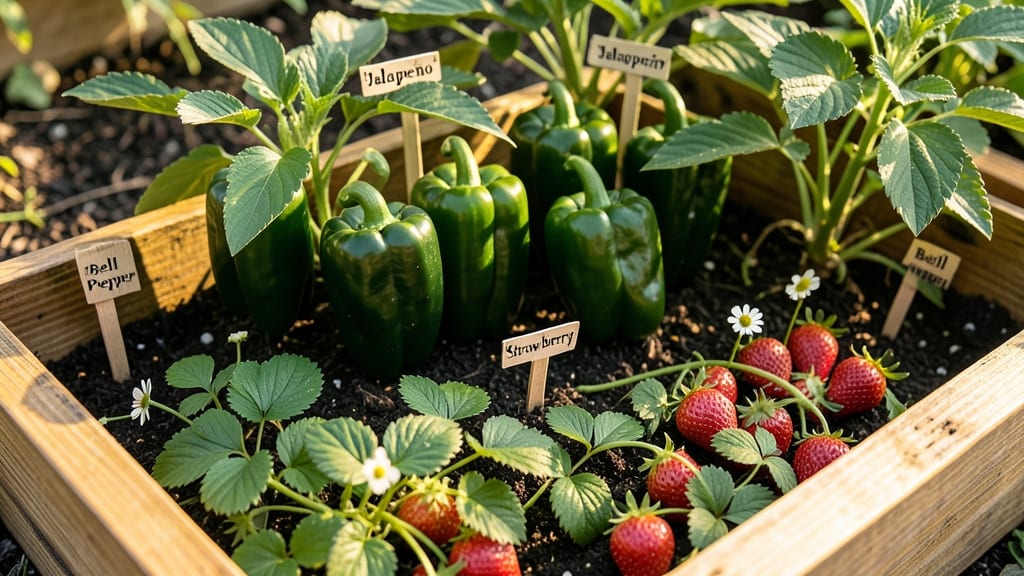
Want a raised bed that doubles as both a flavor factory and a fruiting paradise? Plant peppers and strawberries together—they’re the ultimate gardening duo. The peppers provide shade for the strawberries during peak summer heat, while the berries benefit from the peppers' deep roots that improve soil aeration. This combo isn’t just space-efficient; it’s a flavor upgrade for your peppers too!
Start by placing strawberry plants along the north or east side of the bed, where they’ll get morning sun but afternoon shade from the taller pepper plants. Use everbearing or day-neutral strawberry varieties for continuous harvests, and choose bell peppers or jalapeños for their bushy growth habit. Mulch with straw to retain moisture and keep berries clean—both plants love consistent soil moisture but hate soggy roots.
This setup is perfect for gardeners who love year-round harvests without sacrificing space. The strawberries will produce fruit from early summer to fall, while the peppers mature in 60-90 days, giving you a dual harvest in one bed. Plus, the peppers’ vibrant foliage contrasts beautifully with the strawberries’ lush green leaves. 🌻
Microgreens and Sprout Tower
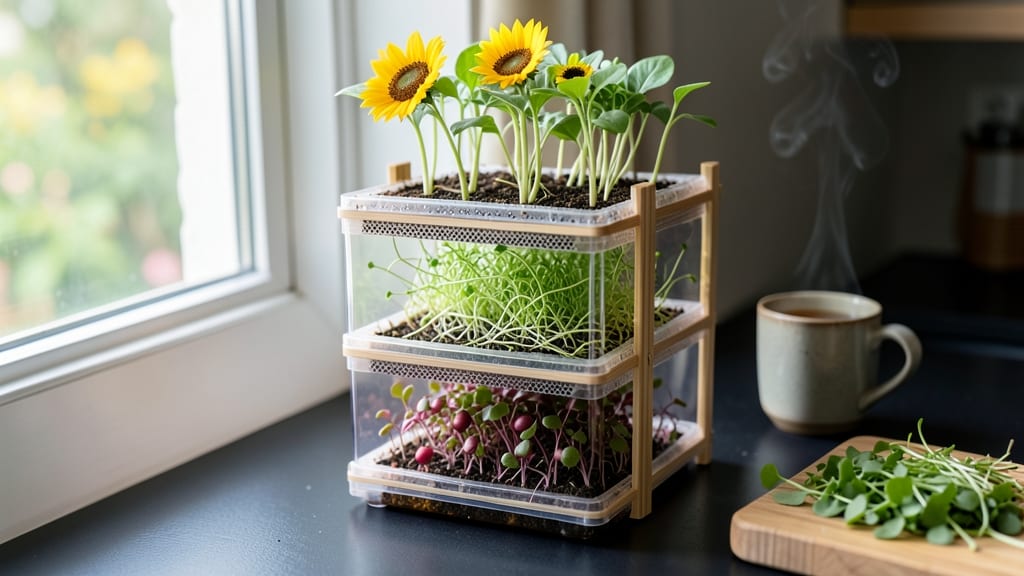
Skip the wait for full-grown veggies—microgreens and sprouts deliver nutrient-packed harvests in just 7-14 days. This space-saving tower system lets you grow sunflower, pea, or radish sprouts indoors year-round, with no need for a full garden bed.
Most systems use a simple stacked tray or tower design with 1-2 inches of growing medium (soil, coconut coir, or sprouting mats). Rinse seeds twice daily for 10 minutes to encourage rapid germination, then harvest when leaves reach 1-3 inches tall. Place near a sunny window or under grow lights for fastest results.
Perfect for urban gardeners, apartment dwellers, or anyone craving quick nutrition—these greens pack 4-40 times more vitamins than mature vegetables. Add them to salads, sandwiches, or smoothies for an instant boost. 🌱
Pollinator-Friendly Flower and Vegetable Mix
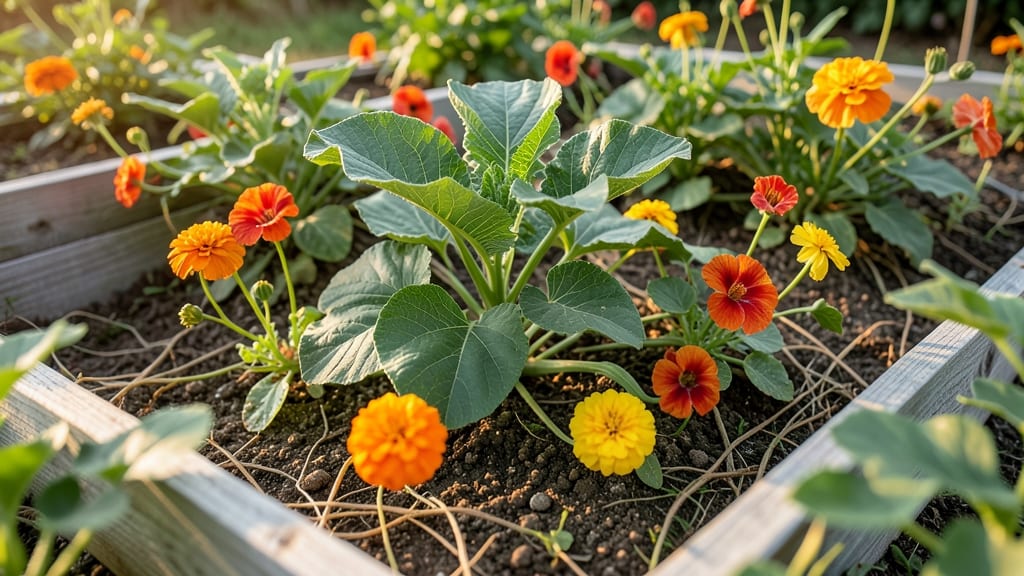
Turn your raised bed into a buzzing ecosystem with this pollinator-friendly mix that grows food and supports local wildlife. By combining zucchini (a heavy feeder) with marigolds (natural pest deterrents) and nasturtiums (edible flowers that attract bees), you create a thriving, self-sustaining garden that organic gardeners will love.
Plant zucchini in the center of your bed for maximum sunlight exposure, then surround it with marigolds (every 12 inches) and nasturtiums (along the edges) to create a colorful border. This trio repels pests like squash bugs while providing nectar and pollen for bees and butterflies. The nasturtiums also act as a living mulch, suppressing weeds naturally.
This design is perfect for gardeners who want to support ecological health without sacrificing harvests. Plus, the flowers add vibrant color that keeps your garden looking lively all season. 🌻
Cold-Weather Root Vegetable Stack
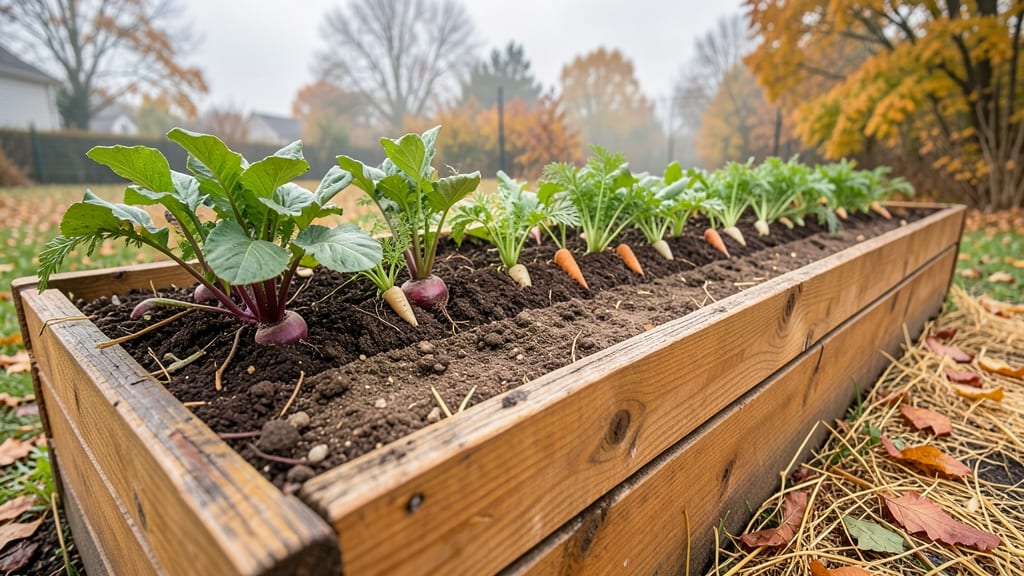
When chilly autumn air arrives, don’t let your garden go dormant—layered root vegetables thrive in cooler weather and keep producing well into fall. This clever stacking system lets you grow beets, carrots, and parsnips simultaneously in a single raised bed, maximizing space while extending your harvest.
Start by planting parsnips (slowest to mature) in the center, surrounded by carrots and beets closer to the edges. Cover the soil with a thick layer of straw mulch (4-6 inches) to insulate roots and retain moisture, protecting them from early frosts. The mulch also suppresses weeds and regulates soil temperature, allowing roots to mature slowly and develop sweeter flavors.
This method is perfect for gardeners in USDA Zones 3-7 who want to keep harvesting well past the first frost. Even beginners will love how low-maintenance this system is—just water occasionally and harvest as needed. 🌱
Autumn Harvest Pumpkin and Gourd Train

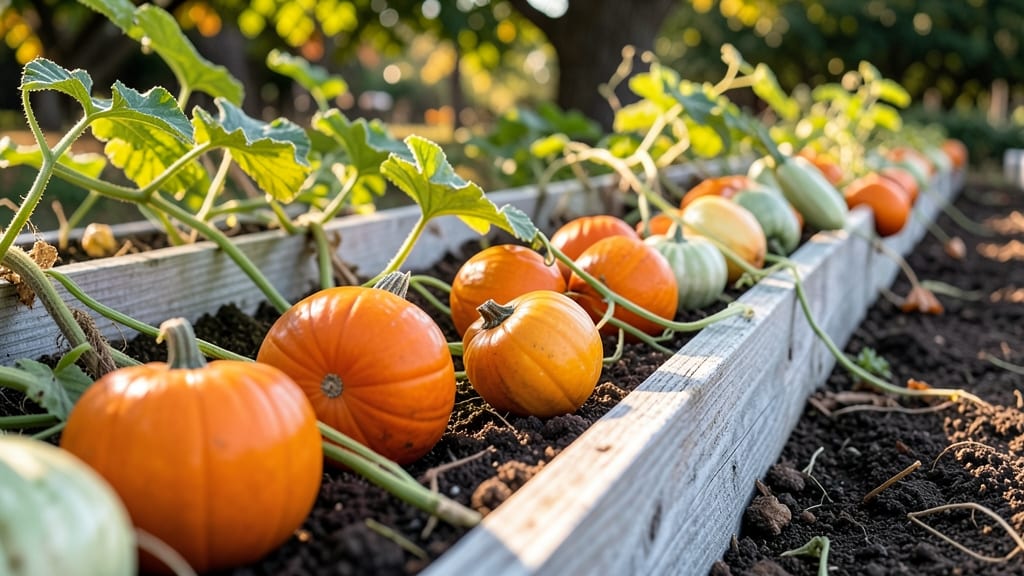
Skip the bulky pumpkin patch—this Autumn Harvest Pumpkin and Gourd Train transforms a single narrow row into a dazzling fall display. Plant miniature pumpkins and gourds like 'Jack Be Little' or 'Cinderella' in a 3-4 foot long raised bed, creating a "train" of vibrant orange and green that stretches along pathways or borders.
Space them 12-18 inches apart for easy harvest and let vines spill over the edges for a whimsical look. These varieties mature in 80-100 days, perfect for small spaces and container gardens. Add companion flowers like nasturtiums to deter pests while enhancing the autumnal aesthetic.
Urban gardeners and beginners will love this low-maintenance design—no trellises needed, just a single row that doubles as both harvest and decoration. 🌻