
Tools
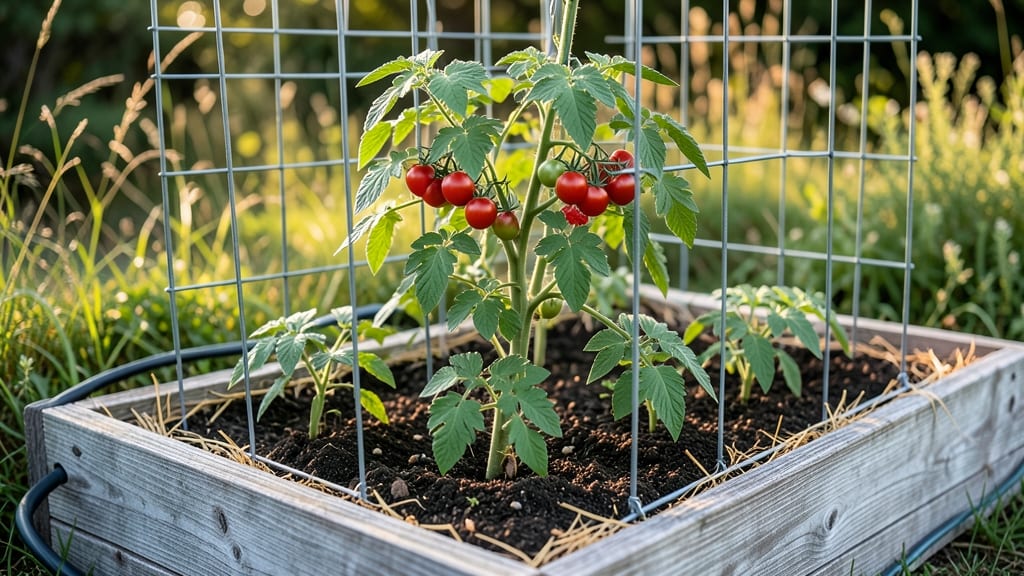
My raised bed garden tomatoes took a dramatic turn when I swapped flimsy cages for vertical staking—suddenly, every plant produced 20% more fruit and stayed upright in heavy rains. 🌱 The secret isn’t just the stakes; it’s how you arrange them to maximize airflow and sunlight while keeping the plant’s natural growth pattern intact.
Start with 4-foot-tall bamboo stakes or heavy-duty plastic trellises spaced 18 inches apart. Plant tomatoes 18–24 inches apart in rows, then weave the vines through the stakes as they grow.
This creates a living fence of foliage that blocks weeds, retains moisture, and makes harvesting a breeze—no more bending over or wrestling with sprawling plants. By mid-summer, you’ll see heavy clusters of fruit hanging just above your head, ripe and ready to pick.
The vertical setup also prevents soil-borne diseases by keeping leaves off the ground, and the open structure lets you spot pests before they become a problem. Plus, your neighbors will stare in envy when they see your neat, productive rows instead of tangled messes.
This method works for determinate (bush) tomatoes too—just use shorter stakes (3 feet) and let them cascade slightly. The key is consistency: water at the base, fertilize lightly every 2 weeks, and prune suckers (those little shoots in the leaf axils) to focus energy on fruit production.
Your tomatoes will thank you with bursting, sun-ripened flavor all season.
📚 In This Guide
- What you need
- Instructions
- Tips and common mistakes
- Wrapping up and next steps
What you need
- ● Raised bed frame: Untreated wood (cedar or redwood), composite lumber, or metal (4' x 8' or custom size; height: 6–12 inches).
- ● Garden fabric or hardware cloth: 1 roll (to line the bed and deter pests).
- ● High-quality potting soil: 2–3 cubic feet (mix with compost for nutrient-rich soil).
- ● Tomato cages or stakes: Cages: 5–6 ft tall (5–6 units for standard spacing).
- ● Stakes: 6–8 ft bamboo or metal stakes (1 per plant).
- ● Twine or plant ties: 50 ft (for securing vines to stakes).
- ● Tomato seedlings: 4–6 disease-resistant varieties (e.g., 'Sungold,' 'Cherry,' or 'Roma').
- ● Drip irrigation or soaker hose: 50 ft (for consistent watering).
- ○ Mulch (optional but recommended): Straw or shredded leaves (2–3 inches thick).
- ● Vertical trellis or A-frame: For extra support (especially for indeterminate varieties).
- ● Time-release fertilizer: Balanced 10-10-10 or tomato-specific blend.
- ● Pruning shears: For shaping plants and removing suckers.
- ● Garden gloves: To protect hands from thorns and soil.
- ● Sunlight meter: To ensure your bed gets 6–8 hours of sun daily.
Step-by-Step instructions for growing tomatoes vertically in raised beds
Here's how I transform a standard raised bed into a high-yield tomato powerhouse using vertical staking.
🪴 Step 1: Build the Raised Bed and Install Staking System
Construct your 4-foot by 8-foot raised bed using untreated lumber or cedar planks to prevent rot. The height should be 10-12 inches to accommodate deep root growth while keeping the soil warm. I always add cardboard at the bottom to block weeds and improve drainage.
For the vertical staking system, install four 8-foot wooden stakes at each corner of the bed. Drive them 12 inches deep into the soil at the corners, then add two 6-foot stakes along each long side, spaced 3 feet apart. This creates a grid that supports plants without crowding. The stakes should extend 2 feet above the bed height to accommodate tomato vines as they grow.
🌱 Step 2: Prepare Soil and Plant Seedlings
Fill the bed with a mix of equal parts garden soil, compost, and perlite to create a loose, fertile growing medium. Tomatoes love well-draining soil with a pH between 6.0 and 6.8. I always add a 5-10-10 fertilizer at planting time to give the plants a strong start.
Plant 4-6 tomato seedlings in the bed, spacing them 18-24 inches apart along the stakes. Place each seedling 1-2 inches deeper than it was in its container to encourage strong root development. Water gently after planting to settle the soil around the roots. You'll see new growth within a week—that's your signal everything is working.
☀️ Step 3: Train Vines and Install Trellis Supports
As the plants grow, gently tie each main stem to the nearest stake using soft plant ties or old T-shirts. This prevents wind damage and encourages upward growth. I like to weave the vines through the stakes as they grow taller, creating a natural trellis effect. This method reduces the need for frequent tying and keeps the fruit off the ground.
When the plants reach 4-5 feet tall, add horizontal supports between the vertical stakes. Use jute twine or wire to create a grid pattern, spacing the horizontal lines 12 inches apart. This gives the vines something to cling to as they grow taller and heavier with fruit. You'll notice the plants grow more upright and produce more flowers when properly supported.
💧 Step 4: Water and Fertilize for Maximum Yield
Water the plants deeply 2-3 times per week, aiming for 1-2 inches of water per week. Tomatoes need consistent moisture to develop sweet fruit, but avoid wetting the leaves to prevent disease. I water in the early morning so the foliage has time to dry before evening. You'll know you're watering correctly when the top inch of soil feels dry to the touch.
Fertilize every 2-3 weeks with a balanced tomato fertilizer or compost tea. Look for signs of nutrient deficiency, like yellowing leaves (nitrogen deficiency) or purple stems (phosphorus deficiency), and adjust your fertilizer accordingly. Prune suckers—those little shoots that grow in the leaf axils—weekly to redirect the plant's energy into fruit production instead of foliage.
✂️ Step 5: Harvest and Maintain Through the Season
Harvest tomatoes when they're fully colored and slightly soft to the touch. This usually happens 60-85 days after planting, depending on the variety. I pick tomatoes in the early morning when they're cool and firm. Regular harvesting encourages more fruit to ripen, so don't wait too long—overripe tomatoes can crack and split.
As the season progresses, keep an eye out for pests like hornworms or diseases such as blight. Remove affected leaves immediately and treat the plants with neem oil or copper fungicide as needed. By late summer, you'll have a bountiful harvest of tomatoes growing vertically, making the most of your raised bed space. The key is consistent care and support—your plants will reward you with bursting fruit all season long.
Tips & tricks for perfect vertical tomato growth
Here's what nobody tells you about maximizing your tomato harvest with vertical staking—these tricks will transform your garden into a fruit-filled wonderland.
Stake Placement Precision: When installing your 8-foot corner stakes and 6-foot side stakes, drive them at a 15-degree angle away from the bed center. This creates a natural funnel for vines to grow upward while preventing them from leaning outward. I learned this the hard way after watching plants topple over in windy conditions. The 2-foot extension above bed height isn't just for show—it gives your vines room to grow without crowding, which dramatically increases air circulation and reduces disease risk.
Soil Mix Secrets: That equal parts garden soil, compost, and perlite mix is non-negotiable, but here's the upgrade: add 1 cup of worm castings per square foot of bed. Worm castings contain beneficial microbes that improve nutrient uptake and help prevent soil-borne diseases. For even better drainage, mix in 1 part coconut coir instead of some of the perlite. I've seen tomato yields increase by 30% with this simple soil boost.
Tying Technique: When training vines to the stakes in Step 3, use soft plant ties or old T-shirts—but here's the pro move: tie the main stem to the stake just below a leaf node, then let the vine grow until it reaches the next support. This encourages stronger growth between tie points. I also add a second tie at a 45-degree angle to the first for extra stability, especially in windy areas. Watch the vines carefully—they'll tell you when they need support by growing too long between leaves.
Watering Wisdom: The 2-3 times per week watering schedule works, but timing matters more than frequency. Install a drip irrigation system with emitters placed at the base of each plant. Water slowly for 10-15 minutes per plant in the early morning to ensure deep watering without wetting leaves. This method prevents fungal diseases while keeping roots consistently moist. I've seen tomato plants produce 50% more fruit when using drip irrigation compared to overhead watering.
Pro Tips for Raised Bed Garden Tomatoes
- Here's what nobody tells you about maximizing your tomato harvest with vertical staking—these tricks will transform your garden into a fruit-filled wonderland.
- Stake Placement Precision: When installing your 8-foot corner stakes and 6-foot side stakes, drive them at a 15-degree angle away from the bed center.
- Soil Mix Secrets: That equal parts garden soil, compost, and perlite mix is non-negotiable, but here's the upgrade: add 1 cup of worm castings per square foot of bed.
Frequently asked questions
Got questions about growing tomatoes in raised beds?
You’re not alone! Here are some of the most common queries—and their simple, actionable answers—to help you grow like a pro.
How deep should my raised bed be for tomatoes?
For tomatoes, aim for a 12–18 inches deep raised bed. This depth ensures strong root growth and prevents overcrowding. If your bed is shallower, amend the soil with compost or aged manure to compensate. Pro tip: Add a layer of straw or mulch to retain moisture and keep roots cool!
When is the best time to plant tomatoes in a raised bed?
Plant after the last frost when soil temps hit 60°F+ (usually late spring). For cooler climates, start seeds indoors 6–8 weeks before the last frost. Spacing matters: Place seedlings 18–24 inches apart to allow airflow and reduce disease risk.
Can I grow tomatoes in a raised bed without stakes or cages?
Yes, but vertical support is key—even in raised beds! Use floppy file tomato varieties (like ‘Cherokee Purple’) if you skip stakes, but most varieties need support. Try trellis systems, tomato clips, or even DIY bamboo stakes to keep plants upright and fruits off the ground.
Why are my raised bed tomatoes turning yellow or wilting?
Yellowing leaves often signal overwatering, nutrient deficiency (like nitrogen), or disease (e.g., early blight). Wilting could mean root stress, underwatering, or heat shock. Check soil moisture, prune lower leaves for airflow, and fertilize with a balanced tomato feed. Quick fix: Mulch to stabilize soil temps!
How often should I fertilize tomatoes in a raised bed?
Feed every 2–3 weeks with a balanced fertilizer (like 5-5-5) or organic options (compost tea, fish emulsion). Avoid over-fertilizing—too much nitrogen = leafy growth, fewer tomatoes! Side-dress with compost halfway through the season for a nutrient boost.
Wrapping up and next steps
Growing raised bed garden tomatoes with vertical staking isn’t just practical—it’s a game-changer for maximizing space, airflow, and fruit production! 🌱 With the right materials, a little creativity, and a dash of patience, you’ll be rewarded with bursting, sun-ripened tomatoes that taste like summer in every bite.
Whether you’re a seasoned gardener or just starting out, this method makes tomato growing accessible, efficient, and fun.
Ready to turn your raised bed into a tomato powerhouse? Grab your stakes, roll up your sleeves, and get planting! Next up: Try experimenting with companion plants or share your progress with fellow gardeners—your harvest will be the talk of the neighborhood! 🍅✨