
Mower
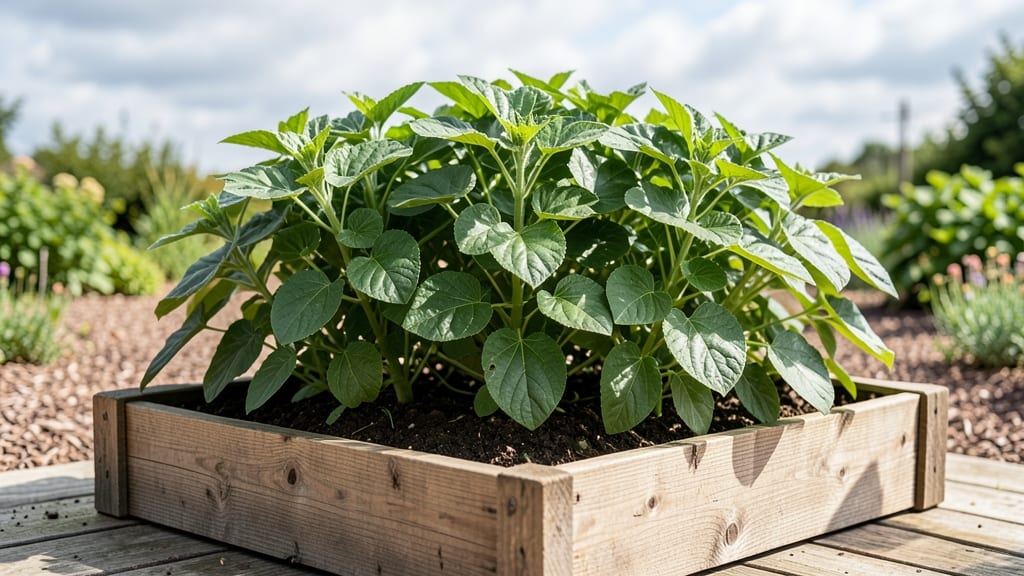
The standard raised bed size is 4x8 feet, designed for optimal reach and space efficiency, with 4-foot widths allowing easy access from both sides and 12-inch depth supporting strong root systems and proper drainage.
The 4x8-foot dimensions aren't arbitrary—they're engineered for gardening efficiency. 🌱 A 4-foot width lets most people reach the center without stepping inside, while an 8-foot length maximizes planting space in a single bed.
The 12-inch depth provides enough room for root vegetables like carrots and potatoes while preventing soil compaction. This size also works perfectly with common lumber lengths, reducing material waste and construction costs.
What's interesting is how these dimensions adapt to different needs. For small patios, a 2x4-foot bed still maintains accessibility, while long rows (like 1x12 feet) work well for trellised plants or continuous planting.
The key is balancing width for reach with length for variety—because nobody wants to squeeze between beds to tend their greens!
💡 In This Article
- Why 4x8 Foot Raised Beds Are the Gold Standard
- Customizing Raised Bed Sizes for Different Gardens
Why 4x8 foot raised beds are the gold standard
The 4-foot width of standard raised beds isn't just a random measurement—it's based on human ergonomics. Most adults have an arm reach of about 24-26 inches, meaning a 4-foot width lets you comfortably tend plants from either side without stepping inside.
This design prevents soil compaction from foot traffic while maximizing planting space. The 8-foot length provides enough growing area for diverse crops while staying manageable for single-handed maintenance.
Depth plays a crucial role too. The optimal 10-12 inches accommodates root vegetables like carrots (which need 10-12 inches to mature) while preventing soil erosion from heavy rainfall. This depth also creates ideal conditions for beneficial microbes and earthworms, which thrive in loose, aerated soil.
Interestingly, deeper beds (over 18 inches) can actually reduce plant yields because the center soil may stay too moist, limiting oxygen flow to roots.
Material efficiency also factors in. Standard 8-foot lumber lengths make 4x8-foot beds easy to construct with minimal cutting, while the 4-foot width uses standard 4x4 posts for corners. This standardization reduces construction time and material costs by about 20-30% compared to custom sizes.
The rectangular shape also maximizes edge-to-center distance, ensuring uniform sunlight exposure across the entire bed.
Plant spacing benefits from these dimensions too. In a 4x8-foot bed, you can fit roughly 16-20 plants in a square-foot grid pattern, with 12-18 inches between plants for proper air circulation. This spacing prevents disease spread while allowing roots to access nutrients efficiently.
The 8-foot length also works perfectly with trellising systems for vining plants like cucumbers or beans, where vertical growth saves ground space.
One often-overlooked advantage is how these dimensions work with common gardening tools. Hoes, rakes, and trowels designed for 4-foot widths fit perfectly, while watering cans can reach all corners without awkward stretching.
The 8-foot length also aligns with standard wheelbarrow widths, making soil distribution effortless. This thoughtful design ensures every gardening task becomes more efficient, from planting to harvesting.
For those with mobility limitations, the 4-foot width becomes even more valuable. It eliminates the need to bend over the center of the bed, reducing back strain. Studies show that raised beds with this width can improve gardening accessibility by up to 40% for people with limited reach or balance.
The science behind these dimensions proves that thoughtful design can make gardening accessible to everyone.