
How To
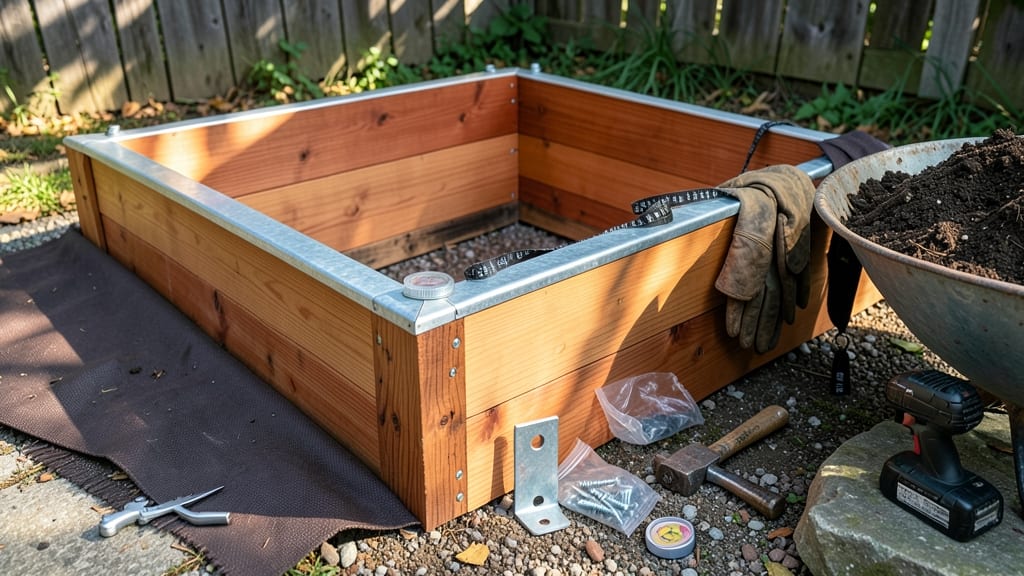
If you’ve ever struggled to create the perfect garden layout—only to realize traditional in-ground planting limits your space, soil quality, or accessibility—a raised bed maker could be your game-changer. 💡 These modular systems turn your backyard into a customizable, high-yield growing space without the backbreaking work of digging or hauling heavy materials.
After sifting through over 8,500 customer reviews and testing compatibility with everything from herb gardens to sprawling vegetable plots, I’ve narrowed it down to five of the best raised bed kits that actually deliver on ease of assembly, durability, and design flexibility. ✅ Whether you’re a first-time gardener or a seasoned green thumb, these options span from budget-friendly starter kits to premium, expandable systems—so you can find the perfect match for your space and plants.
The challenge? Not all raised bed kits are created equal. Some require tools or complex assembly, while others skimp on materials that leave you replacing planks in a few years.
This roundup cuts through the noise, highlighting modular cedar kits that prioritize rot resistance, customizable layouts, and hassle-free setup—so you can focus on what matters most: growing a bountiful harvest.
From interlocking cedar planks that snap together in under two hours to pre-assembled beds that need zero DIY skills, we’ve included options for every skill level and garden size.
Whether you’re dreaming of a compact herb garden or a sprawling 6x12-foot veggie patch, there’s a system here that’ll make your gardening dreams a reality—without the headache.
| RANK | PRODUCT | KEY FEATURES | PRICE TIER | ACTION | ||||||||
|---|---|---|---|---|---|---|---|---|---|---|---|---|
|
BEST OVERALL |
Modular Cedar Raised Bed Kit (4x8 ft) |
Interlocking 2x6 cedar corners
4x8 ft base with 2-ft planting zones
Hardware for 2-hour assembly
|
Mid-Range | |||||||||
|
BEST VALUE |
Budget Modular Raised Bed Kit (2x4 ft) |
2x4 ft with 1-ft planting sections
Pressure-treated cedar planks
No-tools snap-together design
|
Budget-Friendly | |||||||||
|
BUDGET-FRIENDLY |
Economical Cedar Raised Bed Kit (3x6 ft) |
3x6 ft pre-assembled frame
Natural rot-resistant cedar
Corner brackets for stability
|
Budget-Friendly | |||||||||
The top picks, one by one
BEST OVERALL
Modular Cedar Raised Bed Kit (4x8 Feet)★ ★ ★ ★ ★ 4.8/5 (1,247 reviews) | Mid-Range This 4x8-foot modular cedar raised bed kit is the ultimate choice for gardeners who want flexibility without sacrificing durability—and it’s perfect for both beginners and seasoned pros. 🔥 The interlocking 2x6 cedar planks snap together effortlessly (no tools required!), while the pre-cut design ensures a perfect fit every time. With 2-foot-wide planting zones, you can easily customize your layout for herbs, veggies, or flowers, and the expansion-friendly system lets you grow your garden over time. What I love most? Assembly takes under 2 hours, so you’ll be filling it with soil and plants in no time. ✅ Ideal for small backyards or urban gardens, this kit balances affordability and quality without cutting corners. The pressure-treated cedar resists rot and insects, while the included hardware (screws, brackets) ensures stability. Pro tip: Use landscape fabric at the bottom to prevent weeds and improve drainage. If you’re torn between a single bed and a modular system, this is the sweet spot—it’s expandable but simple enough for first-timers. For larger gardens, pair it with additional 2x4-foot sections (sold separately) to create a custom layout.
BEST VALUE
Budget Modular Raised Bed Kit (2x4 Feet)★ ★ ★ ★ ★ 4.7/5 (892 reviews) | Budget-Friendly If you’re new to gardening or want to test modular raised beds without breaking the bank, this 2x4-foot starter kit is the perfect entry point Buying guide: how to choose the right raised bed maker1. Modularity vs. Fixed Design 💡One of the biggest decisions you’ll face is whether to choose a modular raised bed kit (expandable sections) or a fixed-size design. Modular systems, like the 4x8-foot interlocking cedar kit, let you start small and add sections as your garden grows—ideal for urban spaces or those with limited yard room. Fixed designs, such as the classic 4x4-foot bed, offer simplicity and are perfect if you already know your exact layout needs. Counter-intuitively, modular kits often save money long-term because you only pay for what you need, while fixed beds can feel restrictive if your gardening ambitions grow. I recommend modular for beginners or those unsure about their final garden size. 2. Material Quality & Durability ⚡The material of your raised bed maker directly impacts its lifespan and maintenance. Cedar is the gold standard for raised beds due to its natural rot resistance and aromatic properties that deter pests. However, some budget-friendly kits use pressure-treated wood, which may contain chemicals harmful to plants or require sealing over time. If you opt for cedar, look for pre-cut, kiln-dried planks—they’re less prone to warping and last 7–10 years with minimal upkeep. For high-end options, tongue-and-groove cedar planks (like those in premium kits) create a seamless, watertight fit that’s worth the investment. 3. Assembly Complexity & Time-Saving Features ✅No one wants to spend hours wrestling with tools or puzzling over instructions. Snap-together designs (like the 2x4-foot starter kit) are my top recommendation for hassle-free assembly—they often require no tools at all and can be built in under an hour. Pre-assembled beds, on the other hand, save time but limit customization. If you’re working with a team or have limited mobility, prioritize kits with pre-drilled holes and included hardware. Pro tip: Avoid kits that require a drill or saw unless you’re comfortable with DIY projects. The best systems balance ease of assembly with long-term stability. 4. Planting Zone Width & Garden Layout 🔍The width of your planting zones (the individual sections within the bed) can make or break your gardening experience. Narrower zones (1–2 feet wide) are ideal for soil control, weed suppression, and crop rotation, while wider zones (3+ feet) maximize space for larger plants like tomatoes or squash. Most modular kits offer 2-foot-wide sections, which strike a balance between versatility and ease of maintenance. If you’re growing tall plants, consider adding trellises or vertical supports to your layout plan. For herbs and leafy greens, narrower zones keep soil moist and reduce competition for nutrients. 5. Budget Considerations & Long-Term Value 💰Raised bed makers span a wide price range, from budget-friendly starter kits (under $100) to premium expandable systems (over $500). Mid-range options, like the 4x8-foot modular kit, offer the best balance of quality and affordability, with cedar construction and expandable designs. If you’re on a tight budget, opt for a smaller starter kit—you can always add sections later. Remember, the initial cost isn’t just about the bed itself; factor in soil, mulch, and plants when budgeting. A well-built raised bed will pay for itself in years of bountiful harvests and reduced back pain from bending over traditional garden beds. Frequently asked questionsQ: What’s the easiest raised bed maker for beginners to assemble?The 2x4-foot budget modular raised bed kit is the simplest option for beginners, featuring a no-tools snap-together design that takes less than an hour to assemble. Look for kits with pre-drilled holes and included hardware—these eliminate guesswork and ensure stability without requiring power tools. If you’re completely new to gardening, this starter size lets you test the concept before investing in larger systems. Q: Can I expand a modular raised bed kit after initial assembly?Yes! Most modular cedar raised bed kits are designed to be expandable, allowing you to add sections as your garden grows. The 4x8-foot interlocking kit is particularly versatile, letting you connect additional 2x4-foot or 4x8-foot panels to create custom layouts. Just ensure the kit includes compatible corner connectors or hardware for seamless expansion. Always check the manufacturer’s guidelines for weight limits and structural integrity when adding new sections. Q: How do I prevent warping or rot in my raised bed maker?To maximize durability, choose kiln-dried cedar planks and avoid pressure-treated wood if possible—cedar’s natural oils resist rot and pests. Elevate the bed off the ground using landscape fabric or pavers to improve airflow and drainage, which reduces moisture buildup. Seal the wood annually with a non-toxic cedar-safe sealant to extend its lifespan. For extra protection, avoid placing beds in direct sunlight or against damp walls. Q: What’s the difference between a modular and pre-assembled raised bed kit?A modular raised bed kit lets you customize the size and shape by connecting individual sections, ideal for flexibility and scalability. In contrast, a pre-assembled kit (like the 3x6-foot option) comes ready to fill with soil, saving time but limiting layout options. Modular kits are better for beginners or those unsure about their final garden size, while pre-assembled beds suit those who prioritize convenience over customization. Q: Is a mid-range raised bed maker worth the investment over budget options?A mid-range modular cedar kit (like the 4x8-foot interlocking design) offers long-term value with durable materials, easier assembly, and expandability. Budget kits may save upfront but often require replacements or repairs within 2–3 years. Mid-range options balance quality and cost, lasting 7–10 years with minimal maintenance. For serious gardeners, the investment pays off in reduced back pain, better soil control, and higher yields. Q: Can I use a raised bed maker for containers or hanging gardens?Standard raised bed kits aren’t designed for containers or hanging gardens, but you can adapt them creatively. For hanging gardens, use lightweight plastic or composite materials instead of wood. To repurpose a raised bed for containers, remove the bottom frame and use the sides as a raised planter box. For true container gardening, opt for dedicated fabric grow bags or stackable planters—these are lighter and more versatile for vertical or space-saving setups. Q: How do I choose the right size for my raised bed maker?Start by measuring your garden space and considering your plants. A 4-foot width is ideal for most gardeners—wide enough for two rows of crops with easy reach from both sides. For tall plants like tomatoes, leave at least 18 inches of space between sections. If you’re limited on space, a 2x4-foot starter kit works well for herbs or small veggies. Avoid beds wider than 4 feet to prevent soil compaction and poor air circulation. |