
How To
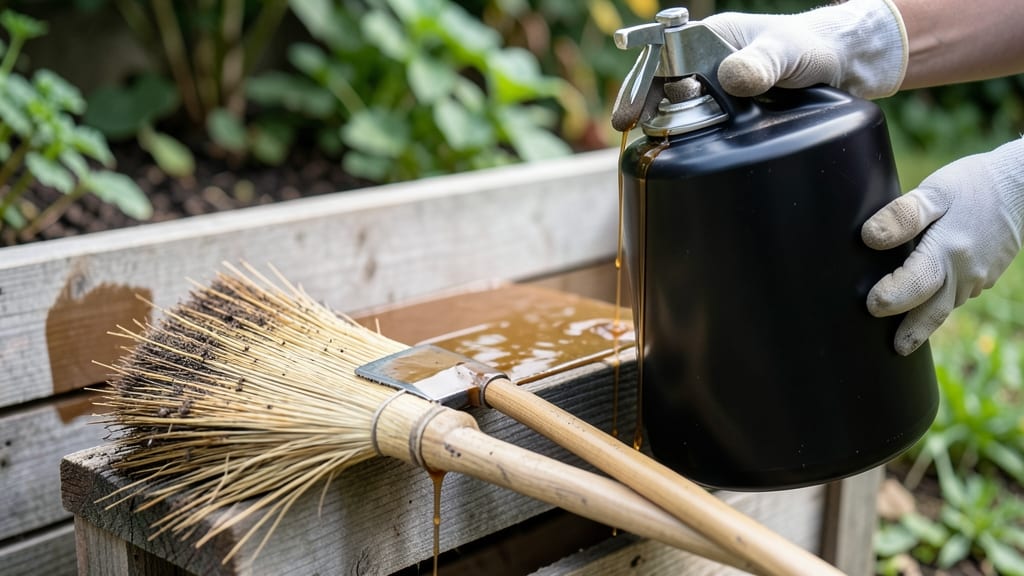
A raised bed sealer helps protect your garden beds by creating a barrier between wood and soil, with options including biodegradable materials like landscape fabric or long-lasting synthetics such as EPDM rubber. Your choice depends on how long you want it to last and whether you prioritize breathability or weed control.
When selecting a raised bed sealer, think about your garden's specific needs. Landscape fabric is a popular natural option because it allows water and air to pass through while blocking weeds—ideal for short-term projects or organic gardeners. Synthetic membranes, on the other hand, like EPDM rubber, last decades and resist rot, making them perfect for permanent beds. 🌱 The key is balancing durability with soil health; some sealers can trap moisture, leading to wood rot if not installed properly.
Always secure edges tightly and leave room for drainage to keep your raised bed thriving for years.
Proper application matters just as much as the material. Start by leveling your bed frame to ensure even pressure distribution, then cut the sealer to size with a 1-inch overlap on all sides.
Use landscape staples or heavy rocks to hold it in place, avoiding nails that could puncture the barrier. For synthetic options, consider adding a gravel layer underneath to improve drainage and prevent moisture buildup against the wood.
💡 In This Article
- Natural vs Synthetic Raised Bed Sealers: Pros and Cons
- Step-by-Step Guide to Applying Raised Bed Sealers Correctly
Natural vs synthetic raised bed sealers: pros and cons
Natural sealers like landscape fabric or cardboard offer a breathable, eco-friendly solution that breaks down over time, typically within 1-3 years. These materials allow water and air to penetrate the soil while blocking weeds, making them ideal for short-term projects or organic gardens.
The texture is soft and flexible, which makes installation easier—just lay it flat and secure the edges. However, their limited lifespan means you'll need to replace them more frequently, especially in wet climates where moisture can degrade them faster.
Synthetic options like EPDM rubber or heavy-duty plastic sheeting last 10-20 years or longer, resisting rot, UV damage, and pests. These sealers create a tighter barrier, which can be a double-edged sword: while they excel at weed suppression, they may trap moisture against the wood if not properly ventilated.
The trade-off is clear—synthetics offer durability but require careful installation to avoid creating a damp environment that accelerates wood decay. For example, EPDM rubber is waterproof yet flexible, making it perfect for sloped or irregularly shaped beds where other materials might tear.
Your choice depends on your gardening goals. If you're growing vegetables for 1-2 seasons and want a low-cost, biodegradable option, landscape fabric is a great pick.
For permanent beds or high-value plants like berries, investing in a synthetic liner pays off in longevity and reduced maintenance. 🌱 Consider your local climate too: in rainy areas, synthetic sealers with drainage holes or a gravel base underneath prevent waterlogging, while natural options may need frequent checks for mold or decomposition.
Another factor is environmental impact. Natural materials break down into the soil, enriching it with organic matter over time, but they may introduce weeds or pests if not properly sealed. Synthetics, while long-lasting, can leach chemicals into the soil if low-quality—opt for food-safe, phthalate-free options.
For example, EPDM rubber is inert and safe, whereas cheap plastic may degrade and release toxins. Always check product certifications to ensure soil safety.
For advanced gardeners, a hybrid approach works best: use a thin layer of cardboard (3-4 sheets) as a temporary weed barrier under landscape fabric, then top with a synthetic liner for long-term protection. This combo extends the life of both materials while maintaining soil health.
The cardboard decomposes first, feeding the soil, while the fabric or synthetic handles the heavy lifting of weed control and moisture regulation.
Think about your bed's location too. If it's in full sun, synthetic sealers prevent UV degradation of the wood underneath, while natural options may need extra protection like a layer of mulch.
In shaded areas, moisture retention is less of an issue, so breathable fabric can work well without risking rot. Always leave a 1-inch gap between the sealer and bed edges to allow for seasonal wood expansion and contraction.