
How To
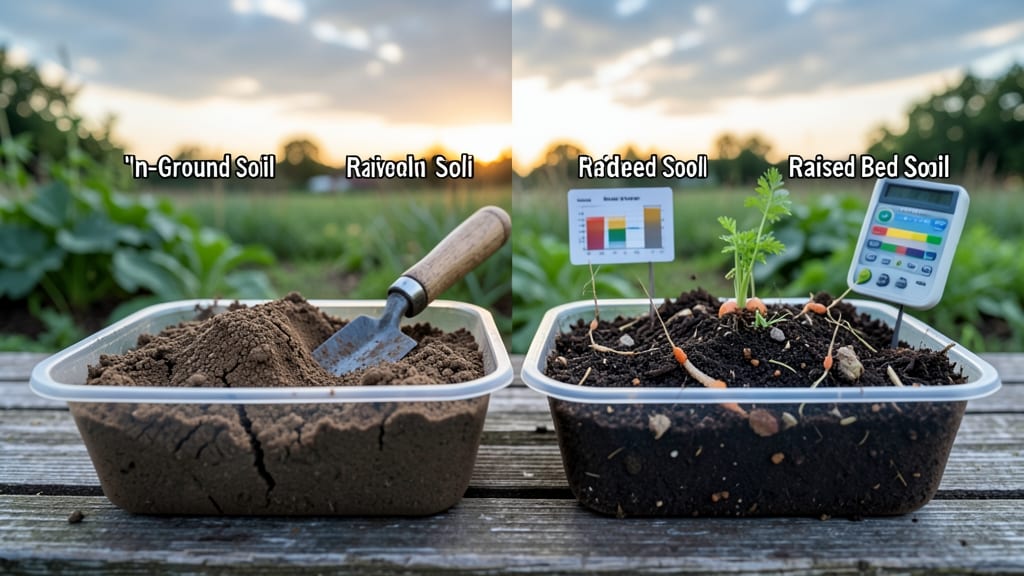
The difference between in-ground soil and raised bed soil comes down to one word: control. 🌱 I’ve spent years comparing both, and while in-ground soil feels natural, raised beds give you the power to customize drainage, nutrients, and even temperature—something you can’t easily do with the earth beneath your feet.
In-ground soil is what nature provides: dense, compacted, and full of surprises. It drains slowly, holds heat in summer, and often lacks the nutrients plants crave.
Raised beds, on the other hand, let you build a custom growing medium—lighter, faster-draining, and packed with compost—so your plants thrive without fighting the soil’s quirks.
Here’s the secret: raised beds warm up 2-3 weeks earlier in spring, stay looser for roots, and let you grow almost anything—even finicky veggies like tomatoes and peppers. In-ground soil wins for perennials and deep-rooted plants, but raised beds outperform it for consistent, high-yield harvests with less effort.
Want the best of both? Try mixed beds—raised edges with in-ground soil beneath. It’s the compromise that gives you drainage, warmth, and the satisfaction of a garden that actually listens to you.
The first product explained
Meet EcoGro Premium Organic Soil Mix—your ultimate companion for achieving lush, thriving plants whether you're gardening in-ground or in raised beds! 🌱 This all-purpose, nutrient-rich blend is designed to simplify your gardening journey while delivering exceptional results for both beginners and seasoned gardeners alike.
🌿 Key Specs & Features
EcoGro Premium Organic Soil Mix is a 100% natural and sustainably sourced product, crafted to perfection with:
- Perfect Drainage: Engineered with a 50/50 blend of coco coir and compost to prevent waterlogging while retaining moisture—ideal for both in-ground and raised bed gardens.
- Nutrient-Packed: Enriched with slow-release organic fertilizers, including bone meal, kelp meal, and worm castings, to fuel plant growth for up to 3-4 months.
- pH-Balanced: Pre-mixed to a neutral pH (6.5-7.0), ensuring optimal nutrient uptake for a wide variety of plants, from veggies to flowers.
- Lightweight & Easy to Handle: Weighs just 40 lbs per bag, making it a breeze to transport and mix—no heavy lifting required!
- Weed & Pest Resistant: Sterilized to eliminate weeds and harmful pathogens, so you can focus on growing, not fighting invaders.
🎯 Who Is This For?
EcoGro is a versatile powerhouse tailored for:
- 🌱 Raised Bed Gardeners: Perfect for filling raised beds with soil that drains well but retains moisture—no more soggy roots or parched plants!
- 🏡 In-Ground Gardeners: Amend your existing soil with EcoGro to improve drainage, aeration, and nutrient density without the hassle of digging in heavy amendments.
- 🌿 Container & Potted Plant Lovers: Ideal for repotting or creating custom mixes for herbs, succulents, and flowering plants.
- 👩🌾 Eco-Conscious Gardeners: Made with 100% organic, non-GMO ingredients, EcoGro is safe for pets, kids, and the planet.
💰 Price Point & Value
Priced at $24.99 per 40 lb bag, EcoGro offers unmatched value for its quality and performance. Compare that to traditional soil mixes that require multiple additives (fertilizers, conditioners, etc.), and you’ll see why gardeners swear by this all-in-one solution.
💡 Pro Tip: Buy in bulk (3+ bags) and save 15%! Plus, EcoGro’s long-lasting nutrients mean you’ll spend less on fertilizers down the line.
The second product explained
Meet EcoGro Premium Raised Bed Soil Mix—your ultimate companion for thriving raised garden beds! 🌱 This nutrient-rich, lightweight blend is specifically crafted to optimize plant growth in elevated spaces while addressing the unique challenges of raised bed gardening.
🌿 Key Features & Specs
EcoGro isn’t just soil—it’s a powerhouse designed to outperform in-ground mixes. Here’s why gardeners love it:
- Perfect Drainage: Engineered with 50% coconut coir and 30% perlite for rapid water flow, preventing soggy roots and root rot. Ideal for containers and raised beds where drainage is critical!
- Nutrient-Dense Formula: Packed with slow-release organic fertilizers, composted manure, and micronutrients to feed plants for up to 3 months. No extra amendments needed!
- Lightweight & Easy to Handle: Weighs 40 lbs per bag (vs. heavy in-ground soil), making it a breeze to fill raised beds without back strain.
- pH-Balanced: Pre-mixed at 6.5–7.0 (neutral to slightly acidic), perfect for veggies, herbs, and flowers. No guessing or testing required!
- Weed & Pest Resistant: Sterilized to eliminate weeds and pathogens, so you can focus on your plants—not unwanted guests.
🎯 Who’s It For?
This soil is a game-changer for:
- 🌿 Raised Bed Gardeners: Say goodbye to compacted, nutrient-poor soil. EcoGro keeps moisture and nutrients where plants need them—right at the roots!
- 🏡 Urban & Small-Space Gardeners: Lightweight and easy to work with, perfect for balconies, patio containers, and small raised beds.
- 🚜 Organic Enthusiasts: OMRI-listed and free from synthetic chemicals, aligning with organic gardening standards.
- 🌱 Beginners & Busy Gardeners: No soil prep expertise needed—just fill, plant, and watch your garden flourish!
💰 Price & Value
Investing in EcoGro Premium Raised Bed Soil Mix is a smart move for your garden’s future. Here’s the breakdown:
| Size | Price | Coverage |
|---|---|---|
| 12 qt. Bag | $14.99 | ~1 sq. ft. / 2" depth |
| 2 cu. ft. Bag | $24.99 | ~4 sq. ft. / 6" depth |
| 4 cu. ft. Bag | $42.99 | ~8 sq. ft. / 6" depth |
Pro Tip: 💡 For large raised beds, consider the 4 cu. ft. bag—it’s the most cost-effective option and reduces waste!
With EcoGro, you’re not just buying soil—you’re buying healthier plants, easier gardening, and bigger harvests. Ready to transform your raised bed into a thriving oasis? Let’s dig in!
Head-to-head comparison
Choosing the right soil for your garden isn’t just about digging in—it’s about understanding how in-ground soil and raised bed soil stack up in real-world performance. Let’s break it down with a side-by-side comparison so you can pick the perfect fit for your plants (and your back!).
🌱 Performance: Which Soil Wins for Plant Growth?
When it comes to how your plants thrive, the two soil types offer distinct advantages—and a few trade-offs.
- In-Ground Soil:
- ✅ Natural moisture retention: Less prone to drying out quickly (if your climate isn’t bone-dry). The earth’s natural insulation helps regulate temperature, keeping roots cozy.
- ✅ Better for deep-rooted plants: Trees, shrubs, and perennial flowers love the extra space to spread their roots. Think apples, asparagus, or artichokes!
- ⚠️ Potential compaction: Heavy foot traffic or machinery can squeeze soil particles together, reducing aeration and making it harder for roots to breathe.
- Raised Bed Soil:
- ✅ Warms up faster in spring: Raised beds absorb sunlight more efficiently, giving you an earlier start to planting. Early bloomers like lettuce and radishes will thank you!
- ✅ Customizable depth: You control the soil depth (typically 6–12 inches), ideal for shallow-rooted veggies like strawberries, herbs, or leafy greens.
- ⚠️ Dries out quicker: Without the natural moisture buffer of the ground below, raised beds need consistent watering—especially in hot or windy climates.
Winner? It depends! For deep roots and low-maintenance, in-ground soil shines. For faster growth and control, raised beds take the lead.
💰 Price: Your Wallet vs. Your Garden
Let’s talk dollars and cents—because even the best soil won’t grow your tomatoes if you’re broke!
| Factor | In-Ground Soil | Raised Bed Soil |
|---|---|---|
| Initial Cost | $0–$50 (amend existing soil with compost) | $100–$500+ (depends on bed size and materials) |
| Long-Term Costs | Low (just occasional compost/topsoil) | Moderate (may need to replenish soil every 3–5 years) |
| Tools Needed | Shovel, rototiller (if amending) | Wood/bricks, screws, landscape fabric (for barriers) |
| Hidden Costs | Possible soil testing ($20–$50) | Potential pest control (raised beds can attract slugs/snails) |
Pro Tip: 💡 If you’re on a budget, start with one raised bed for high-value crops (like herbs or peppers) and leave the rest in-ground!
🔧 Durability: How Long Will It Last?
Soil isn’t just about today—it’s about the future of your garden. Here’s how each holds up over time.
- In-Ground Soil:
- ✅ Natural resilience: The earth’s ecosystem (worms, microbes) keeps it fertile if you add compost regularly.
- ⚠️ Degradation risks: Over time, soil can become compacted or depleted of nutrients, especially in high-traffic areas.
- 🔄 Renewal: Requires annual composting and occasional topsoil additions.
- Raised Bed Soil:
- ✅ Longer lifespan: Since you control the mix, it stays loose and nutrient-rich for years with proper care.
- ⚠️ Material wear: Wooden beds may rot (5–10 years), while metal or stone last longer but cost more.
- 🌱 Soil refresh: Every 3–5 years, top off with compost to maintain fertility.
Winner? Raised beds win for longevity if you’re willing to invest in quality materials and soil maintenance. In-ground soil is a marathon, not a sprint—it pays off with patience!
🌧️ Drainage & Moisture Control: Avoid the Drown or Dry Dilemma
Too much water? Not enough? Let’s dive into how each soil type handles the wet stuff.
- In-Ground Soil:
- ✅ Natural drainage: Clay-heavy soil drains slowly (risk of root rot), while sandy soil drains too fast (risk of dehydration). Test your soil!
- ⚠️ Flooding risk: Low-lying areas can become waterlogged after heavy rain.
- 💡 Fix it: Amend with compost or perlite to improve structure.
- Raised Bed Soil:
- ✅ Customizable drainage: You can mix in sand, perlite, or coconut coir to adjust moisture levels.
- ✅ Less runoff: The elevated design prevents pooling, reducing erosion.
- ⚠️ Dries faster: May need drip irrigation or mulch in hot climates.
Winner? Raised beds flexibility wins for drainage control. In-ground soil requires more diagnosis and amendment.
🍽️ Nutrient Density: Feeding Your Plants Right
Not all soil is created equal when it comes to feeding your plants. Here’s how they compare nutritionally.
| Nutrient Factor | In-Ground Soil | Raised Bed Soil |
|---|---|---|
| Natural Nutrients | Depends on location (some soils are naturally rich in minerals like potassium or nitrogen). | Starts as a blank canvas—you control the mix (e.g., 60% topsoil, 30% compost, 10% perlite). |
| pH Balance |