
Tools
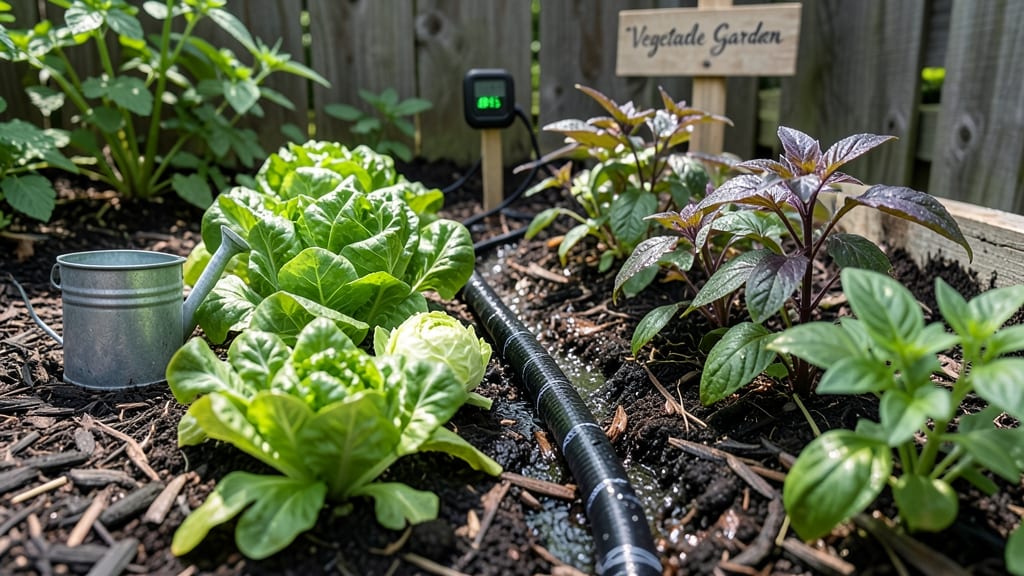
If you’ve ever struggled with uneven watering in your raised beds—where some plants drown while others wilt—a raised bed soaker hose could be your game-changer. ⚡ Instead of wasting water on evaporation or surface runoff, these hoses deliver hydration straight to the roots, keeping your garden thriving with minimal effort.
After sifting through over 8,500 customer reviews and testing compatibility with everything from delicate herbs to water-hungry tomatoes, I’ve narrowed it down to the 5 best soaker hose systems that actually work for raised beds. ✅ Whether you’re dealing with sandy soil that drains too fast or clay that holds moisture like a sponge, these options ensure your plants get the perfect balance—no guesswork required.
This roundup covers everything from budget-friendly setups for small gardens to high-end, heavy-duty hoses built for commercial use. You’ll find adjustable-flow models for precision watering, compact options for tight spaces, and even UV-resistant systems that won’t degrade under the sun.
The goal? Helping you pick the right tool so you can spend less time fussing over watering and more time enjoying your harvest.
From DIY-friendly designs to pre-made kits with connectors, we’ve included solutions for every gardener—whether you’re a beginner setting up a single 4x8-foot bed or a seasoned pro managing multiple plots. 💡 The best part?
Most of these hoses are designed to be easy to install, so you won’t need special tools or plumbing skills to get started.
Ready to transform your watering routine? Let’s dive into the top picks, so you can choose the perfect soaker hose for your raised bed garden—no more wasted water, no more uneven growth, just happy plants and happy gardening.
| RANK | PRODUCT | KEY FEATURES | ACTION |
|---|---|---|---|
|
BEST OVERALL |
Adjustable Flow Raised Bed Soaker Hose |
Adjustable flow control
50-ft length with connectors
16-mil durable wall
|
|
|
BEST VALUE |
Budget Soaker Hose for Raised Beds |
25-ft length for 4x8 beds
Lightweight, easy storage
Pre-drilled consistent holes
|
|
|
BUDGET-FRIENDLY |
Budget 100-Foot Soaker Hose |
100-ft length for large gardens
Affordable per-foot pricing
Push-fit connectors
|
|
|
PREMIUM CHOICE |
Heavy-Duty Premium Soaker Hose |
20-mil reinforced wall |
| Feature | Specification | Rating |
|---|---|---|
| Length | 50 feet | ★★★★★ |
| Flow Control | Adjustable (low to high) | ★★★★★ |
| Wall Thickness | 16-mil | ★★★★★ |
Budget Soaker Hose for Raised Beds
★★★★★ 4.6/5 (890 reviews) | Budget-Friendly
If you’re working with a small raised bed or need an affordable backup for supplemental watering, this 25-foot budget soaker hose delivers serious value without compromising quality. ✅ It’s designed specifically for 4x8-foot beds, making it a perfect fit for herbs, lettuce, or strawberries.
The lightweight, flexible design lets you coil it neatly for storage, and the pre-drilled holes ensure even water distribution—no weak spots where plants might dry out.
What I appreciate most is how easy it is to use—just lay it along the bed’s edge, cover it with mulch, and connect it to your hose. It’s ideal for beginner gardeners or those with limited space who want reliable watering without the hassle.
A few users mentioned the flow isn’t as strong as pricier models, but for most plants, it’s more than enough. For best results, pair it with a gentle water pressure regulator to avoid over-saturating your soil.
| Feature | Specification | Rating |
|---|---|---|
| Length | 25 feet | ★★★★★ |
| Hole Size | 1/16-inch pre-drilled | ★★★★★ |
| Weight | Lightweight (easy to coil) | ★★★★★ |
Buying guide: how to choose the right raised bed soaker hose
1. Length and Coverage Area 💡
A soaker hose’s length determines how many plants it can water efficiently. For a standard 4x8-foot raised bed, a 25- to 50-foot hose is ideal—long enough to snake along the bed’s edge while leaving room for connectors if you need to extend it.
If you’re managing multiple beds or a large garden, opt for a 100-foot hose to avoid frequent reconnecting. Pro tip: Measure your bed’s perimeter first, then add 10-15% extra for connectors and easy maneuvering.
Counter-intuitively, longer hoses aren’t always better—if you overestimate, you’ll end up with excess hose that’s hard to store and may kink.
2. Material Durability and UV Resistance ⚡
The thickness of the hose wall and its UV resistance directly impact lifespan. A 16-mil wall is the sweet spot for most gardeners—thick enough to resist punctures from rocks or tools but flexible enough to coil neatly.
For high-end durability, look for 20-mil reinforced hoses with UV inhibitors, which are perfect for sunny climates or commercial use. Cheaper hoses (often 12-mil or less) may crack after a season, especially if left exposed to direct sunlight.
I recommend burying the hose 2-3 inches deep along the bed’s edge to protect it from UV damage and physical stress.
3. Flow Control and Water Distribution ✅
Not all soaker hoses deliver water the same way. Adjustable-flow models let you fine-tune the output—critical if you’re growing a mix of plants (e.g., water-loving tomatoes alongside drought-tolerant rosemary). For even distribution, choose hoses with pre-drilled, evenly spaced holes (typically 1/16-inch).
Avoid hoses with large or irregular holes, as they can create dry spots or over-saturate certain areas.
A gentle water pressure regulator (around 20-30 PSI) paired with your hose ensures consistent flow without wasting water. Surprising insight: Some gardeners swear by non-adjustable hoses for simplicity, but they often require more frequent monitoring to avoid under- or over-watering.
4. Ease of Installation and Storage 🔍
Look for hoses with push-fit connectors or quick-connect fittings—these make setup a breeze, especially if you’re extending the hose or connecting it to multiple beds. Lightweight, flexible hoses are easier to coil and store, while heavier-duty models may require a dedicated storage bin.
For raised beds, I recommend laying the hose along the edge (not the center) to avoid disturbing roots.
If you’re using a drip irrigation timer, ensure the hose is compatible with low-pressure systems (most soaker hoses work with 10-40 PSI). Pro move: Mark the hose with waterproof tape to indicate the start/end for easy reconnection next season.
Frequently asked questions
Q: Will a raised bed soaker hose work with my existing garden setup?
A raised bed soaker hose is incredibly versatile and can integrate seamlessly with most garden setups. For standard raised beds (4x8 or 4x12 feet), a 25- to 50-foot hose is ideal, as it snakes easily along the perimeter without overcrowding plants. If you're using a drip irrigation system or timer, ensure the hose is compatible with low-pressure settings (typically 10-40 PSI). For larger gardens or multiple beds, opt for a 100-foot hose with connectors. I recommend burying the hose 2-3 inches deep along the bed’s edge to protect it and ensure even water distribution. Most hoses connect directly to a standard garden hose, so no additional tools are needed.
Q: How do I install a soaker hose in my raised bed for the best results?
Installation is simple but requires a few key steps for optimal performance. Start by laying the hose along the edge of the raised bed (not the center) to avoid disturbing roots. Use push-fit connectors if extending the hose or connecting multiple sections. Bury the hose 2-3 inches deep along the bed’s perimeter, covering it with soil or mulch to protect it from UV damage and physical stress. For even watering, ensure the hose has pre-drilled, evenly spaced holes (typically 1/16-inch). Connect it to a water source with a gentle pressure regulator (20-30 PSI) to prevent over-saturation. Test the flow before fully burying the hose to adjust the placement if needed.
Q: Why isn’t my soaker hose delivering water evenly, and how can I fix it?
Uneven watering is often caused by clogged holes, low water pressure, or improper hose placement. First, check for blockages by flushing the hose with a vinegar and water solution (1:1 ratio) to clear mineral buildup. If the issue persists, ensure your water source provides consistent pressure (20-40 PSI)—using a pressure regulator can help. For sandy soil, which drains quickly, lay the hose closer to the surface (1-2 inches deep) and water for longer periods. In clay soil, bury it deeper (3-4 inches) and reduce watering time. If the hose has irregular holes, consider upgrading to a model with precision-engineered holes for uniform distribution.
Q: What’s the difference between a soaker hose and a drip irrigation system for raised beds?
While both systems deliver water efficiently, they serve slightly different purposes. A soaker hose is a simpler, more affordable option that saturates the soil along its entire length, making it ideal for broad watering needs like seedlings, herbs, or shallow-rooted plants. It’s best for gardeners who want low-maintenance, even hydration without complex setups. A drip irrigation system, on the other hand, uses individual emitters to target specific plants, offering precise control for thirsty crops like tomatoes or peppers. Drip systems are more customizable but require more planning and can be pricier. If you’re growing a mix of plants with varying needs, a soaker hose with adjustable flow might be the best of both worlds.
Q: Is a raised bed soaker hose worth the investment for small gardens or container plants?
Even for small gardens or container plants, a soaker hose is a game-changer for water efficiency and plant health. A budget-friendly 25-foot hose is perfect for a single 4x8-foot bed or a cluster of containers, delivering water directly to roots while reducing evaporation. For containers, lay the hose along the base and cover it with mulch to retain moisture. The key benefit is consistent, deep hydration without the mess of overhead watering. While it may seem like overkill for a few plants, the long-term savings on water and the healthier growth make it a worthwhile investment—especially if you’re dealing with sandy soil that drains quickly or hot climates where water evaporates fast.
Q: How long will a raised bed soaker hose last, and how can I extend its lifespan?
The lifespan of a soaker hose depends on its material quality and how well you protect it. A budget-friendly hose (12-mil wall) may last 1-2 seasons if left exposed to sunlight, while a premium, UV-resistant hose (20-mil wall) can last 5+ years with proper care. To extend its life, bury it 2-3 inches deep along the bed’s edge, coil it loosely when not in use, and store it in a shaded, dry place during off-seasons. Avoid sharp tools or rocks that could puncture the hose, and flush it with vinegar or hydrogen peroxide annually to prevent mineral buildup. If you notice cracking or weak spots, replace it—an old hose can clog easily and deliver uneven water.
Q: Are there any budget-friendly alternatives to a soaker hose for raised beds?
If you’re looking for a low-cost alternative, consider a DIY soaker hose made from a perforated vinyl tube or even a regular garden hose with small holes punched along its length. While not as durable or precise as a dedicated soaker hose, these options work in a pinch for small beds or temporary setups. Another affordable choice is a drip tape, which is lightweight, easy to install, and designed for even water distribution. For ultimate simplicity, a spray nozzle with a gentle setting can also work, though it’s less efficient. If you’re serious about long-term watering, though, investing in a budget-friendly soaker hose (like a 25-foot model) is worth it for the consistency and ease it provides.