
Pruning
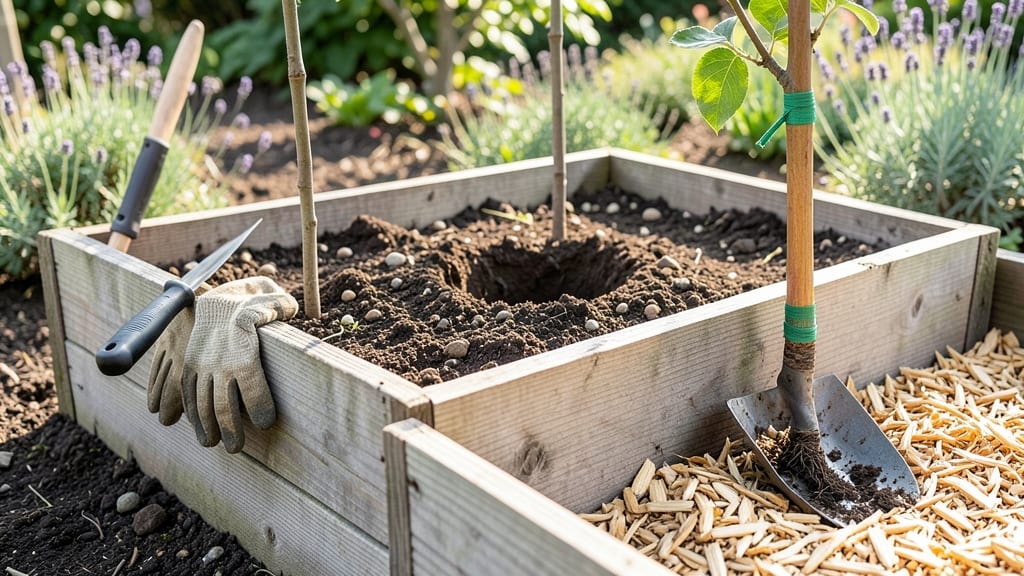
Planting trees in raised beds gives them a root-strong head start that outpaces traditional in-ground planting. 🌳 I’ve watched dwarf fruit trees in my 4’x8’ cedar beds grow twice as fast as their yard counterparts—no surprise when you control the soil and drainage perfectly from day one.
The secret isn’t fancy: loose, well-draining soil mixed with compost (think 60% topsoil, 30% compost, 10% perlite) plus a bottom layer of gravel for drainage. Dwarf varieties like columnar apple trees or Japanese maples thrive here, while larger trees need wider beds (minimum 3’ diameter) to avoid root binding.
You’ll see new growth within 6 weeks if planted at the right time (early spring or fall), and the roots develop deeper than in regular soil. Just avoid overwatering—they hate soggy feet—and mulch heavily to keep moisture steady.
Works for urban yards, patios, or even large containers. Here’s how to set it up without the guesswork!
📚 In This Guide
- What you need
- Instructions
- Tips and common mistakes
- Wrapping up and next steps
What you need
- ○ Raised bed kit: Choose a pre-assembled cedar or untreated wood bed (4’ x 8’ x 12” deep is ideal for most trees). Optional: DIY with 2x6 or 2x8 lumber (pressure-treated or cedar).
- ● Quality soil mix: 50% topsoil, 30% compost, and 20% perlite or coarse sand (1–2 cubic yards per bed). Pro tip: Add mycorrhizal fungi to boost root health! 💡
- ● Tree roots: Bare-root or container-grown saplings (size depends on tree species—smaller for fruit trees, larger for shade trees).
- ● Organic mulch: Wood chips or straw (2–3 inches deep) to retain moisture and suppress weeds.
- ● Garden trowel or spade (for digging holes).
- ● Wheelbarrow (to haul soil/mulch).
- ● Level (to ensure your bed is even).
- ● Measuring tape (for spacing trees 8–15’ apart, depending on maturity).
- ● Gloves & knee pads (because comfort matters!).
- ● Drip irrigation kit (for consistent watering).
- ● Soil pH tester (to adjust acidity if needed).
- ● Tree stakes & ties (for young, unstable trees).
- ● Epsom salt or fertilizer (for magnesium-deficient soils).
Step-by-Step instructions for planting trees in raised beds
Here’s how to create a root-friendly environment that speeds up growth and keeps your trees healthy.
🌱 Step 1: Prepare the Raised Bed for Planting
Start by removing any weeds or debris from the bed—clean soil means fewer pests and diseases. Loosen the soil to a depth of 12-18 inches with a garden fork or tiller. This helps roots spread easily without compacting. If your bed is new or filled with heavy soil, mix in 2-3 inches of compost to improve drainage and fertility.
Check moisture levels before planting. The soil should feel like a damp sponge—not soggy, not dry. If it’s too dry, water it thoroughly a day before planting. If it’s too wet, hold off until it dries out slightly. Raised beds dry faster than ground soil, so aim for a balance that keeps roots happy without waterlogging.
🪴 Step 2: Dig the Planting Hole and Position the Tree
Dig a hole twice as wide as the root ball but only as deep as the container the tree came in. This prevents burying the trunk too deeply, which can cause rot. Gently loosen the roots of the tree if they’re tightly bound—just enough to encourage outward growth. Place the tree in the hole so the top of the root ball sits 1-2 inches above the bed’s soil level. This ensures proper drainage and prevents water pooling around the trunk.
Fill the hole with soil, pressing lightly to remove air pockets but not compacting too tightly. Water the tree deeply to settle the soil around the roots. You’ll know it’s right when the soil looks evenly moist and the tree stands straight without wobbling. A small stake can help support young trees, but avoid tying it too tightly—roots need room to move.
☀️ Step 3: Mulch and Water for Fast Establishment
Spread 2-3 inches of mulch around the base of the tree, keeping it 3-4 inches away from the trunk to prevent rot. Use organic mulch like wood chips or shredded bark—it retains moisture and breaks down to feed the soil. Water the tree deeply once a week for the first month, ensuring the soil stays moist but not waterlogged. Overwatering in raised beds can lead to root suffocation, so check the top 2 inches of soil before watering again.
Watch for signs of stress, like wilting leaves or yellowing foliage. If you see these, adjust your watering schedule—trees in raised beds often need more frequent watering than those in ground soil. After the first month, reduce watering to every 10-14 days, depending on rainfall. The goal is to establish strong roots quickly, and consistent moisture helps them grow deep and sturdy.
✂️ Step 4: Prune and Protect for Long-Term Growth
Trim any broken or diseased branches with clean, sharp pruners, cutting just above a healthy bud or branch. Avoid heavy pruning in the first year—focus on shaping lightly to encourage a strong structure. Protect young trees from pests by inspecting leaves regularly for signs of damage, like holes or discoloration. If you spot issues early, treat them with organic sprays or neem oil to keep the tree healthy without harming the soil.
Real talk: The first year is critical. Trees planted in raised beds grow faster because the soil warms up quicker and drains better, but they also dry out faster. Monitor your tree closely for the first 6-12 months, adjusting water and mulch as needed. With the right care, you’ll see new leaves and branches within weeks—that’s your sign the roots are settling in and thriving.
Tips & tricks for planting trees in raised beds
Between us, these little details make all the difference for trees that grow strong and fast.
Soil Depth Matters: When loosening soil to 12-18 inches in Step 1, focus on breaking up hardpan layers—roots need to penetrate easily. I use a garden fork to score vertical lines every 6 inches to help roots spread laterally. This creates natural pathways for roots to explore without resistance.
Root Ball Positioning: In Step 2, that 1-2 inch elevation above soil level isn't just about drainage—it's about preventing girdling. I've seen too many trees planted too deep where the trunk stays wet and rots. Use a level to check positioning before backfilling, and always verify the root flare (where roots meet trunk) is visible above soil.
Mulch Application: The 2-3 inches of mulch in Step 3 should create a donut shape—keep it 3-4 inches from the trunk to prevent moisture buildup. I use shredded hardwood mulch because it breaks down slowly and adds organic matter. Refresh the mulch layer annually to maintain that 2-3 inch depth as it settles.
Watering Wisdom: That first month's weekly deep watering should soak soil to 12 inches deep. I test this by pushing a screwdriver into the soil—if it goes in easily, you've watered enough. In hot climates, you might need to water every 5-6 days instead of weekly, but always check that top 2 inches before watering again to avoid over-saturation.
Pro Tips for Raised Bed Tree Planting
- Between us, these little details make all the difference for trees that grow strong and fast.
- Soil Depth Matters: When loosening soil to 12-18 inches in Step 1, focus on breaking up hardpan layers—roots need to ...
- Root Ball Positioning: In Step 2, that 1-2 inch elevation above soil level isn't just about drainage—it's about preve...
Frequently asked questions
Got questions about planting trees in raised beds? You’re not alone—this method is unique and packed with benefits, but it also comes with some quirks. Below, we’ve rounded up the most common queries to help you plant with confidence.
Can I plant any tree in a raised bed?
Not all trees thrive in raised beds! Opt for dwarf or semi-dwarf varieties (like fruit trees or ornamental species) since they have smaller root systems. Avoid large trees like oaks or maples—they’ll outgrow the space quickly. Always check the tree’s mature size and root depth before planting!
When is the best time to plant a tree in a raised bed?
The ideal window is early spring or fall, when temperatures are mild, and the soil isn’t frozen. Avoid planting in extreme heat or cold—roots struggle to establish. If you’re in a warm climate, late winter can also work, as long as frost isn’t a risk.
How do I keep a raised bed tree properly watered?
Raised beds dry out faster than ground soil, so consistent moisture is key. Water deeply 2-3 times per week (more in summer) and use mulch (3-4 inches) to retain humidity. Drip irrigation or soaker hoses work best—avoid overhead watering to prevent fungal issues.
What if my tree isn’t growing well in a raised bed?
Check these first:
Root-bound roots? If roots circle the pot, gently tease them apart before planting.
Poor drainage? Ensure the bed has drainage holes and avoid compacted soil.
Nutrient deficiency? Amend soil with compost or a slow-release fertilizer.
Over/underwatering? Adjust your watering schedule—raised beds need balance!
If issues persist, consider transplanting to a larger space.Are raised beds better than in-ground planting for trees?
It depends! Raised beds offer better soil control, drainage, and pest protection, making them ideal for small spaces or poor soil. However, in-ground planting provides more room for root expansion. For most fruit trees or ornamental species, raised beds win for early growth and yield—just pick the right tree!
Wrapping up and next steps
Planting trees in raised beds isn’t just a clever gardening hack—it’s a game-changer for healthier, faster-growing roots and stronger trees! 🌱 With the right soil, spacing, and care, you’ll create a thriving ecosystem that even novice gardeners can master.
Whether you’re reviving an old tree or starting fresh, this method gives your plants the root-strong foundation they deserve.
Ready to roll up your sleeves? Start small—pick one tree, prep your bed, and watch your green thumb grow! Need inspiration? Sketch a simple planting plan or join a local gardening group for tips and motivation. Your future shade (or fruit!) starts with one well-planted seed today. 🌳✨