
Tools
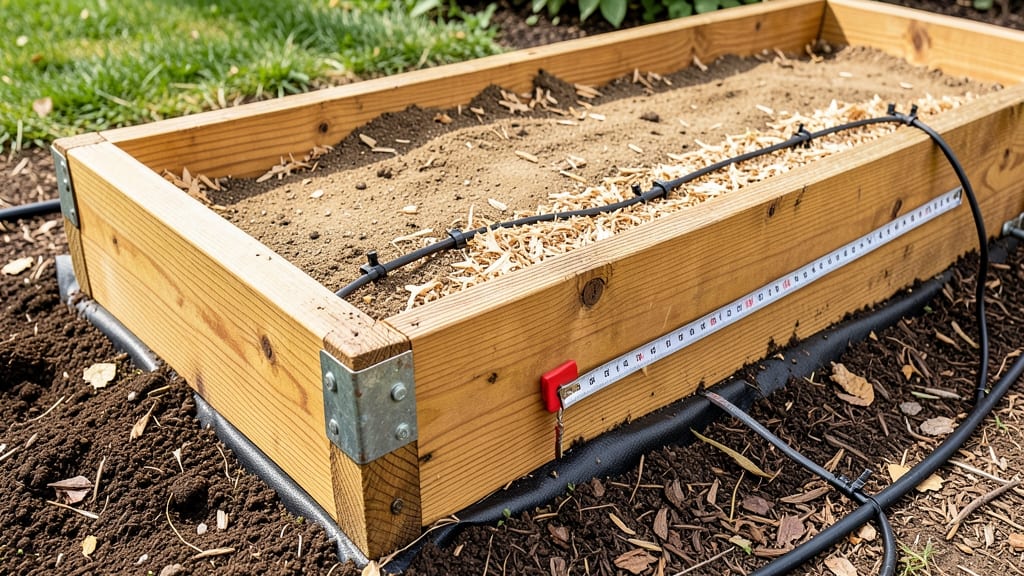
My first raised garden bed was 4 feet wide—the magic number that makes every inch of soil work for you. 🌱 The dimensions you choose aren’t just about fitting plants; they’re about creating a space where roots spread freely, your back stays happy, and every seedling gets its fair share of sunlight.
Most gardeners overlook height, but 10-12 inches deep is ideal for vegetables—enough to keep roots from circling and soil from drying out too fast. I learned this the hard way with my first shallow bed where carrots grew crooked and potatoes stayed small.
Width matters too: 3-4 feet lets you reach the center without stepping in, while lengths can stretch to 8 feet or more for long rows.
You’ll end up with a bed that produces 30-50% more than in-ground plots, thanks to better soil control and fewer weeds. The right dimensions also mean less bending, more comfort, and a layout that actually fits your yard—not the other way around.
For small spaces, go narrow (2 feet) and deep (12 inches); for big harvests, expand width (6 feet) but add a path. Every bed should match your goals, not just look pretty.
📚 In This Guide
- What you need
- Instructions
- Tips and common mistakes
- Wrapping up and next steps
What you need
- ● Lumber: Untreated cedar, redwood, or pressure-treated pine (to avoid chemicals). 2x6 boards (for sides): 6–12 ft long (depending on bed dimensions).
- ● 4x4 posts (for corners): 2–3 ft long (for stability).
- ● Hardware: 3” exterior wood screws (galvanized, corrosion-resistant): 20–40 screws.
- ○ Corner brackets (optional but recommended): 4–8 brackets.
- ● Landscape Fabric: 1–2 sq ft per sq ft of bed (to block weeds).
- ● Soil: High-quality garden soil or a mix of topsoil, compost, and perlite (~1 cubic yard per 4’x8’ bed).
- ● Circular saw or handsaw (for cutting lumber).
- ● Drill/driver (for screws).
- ● Tape measure (accurate measurements = happy plants!).
- ● Level (to ensure your bed is straight and even).
- ● Staple gun (for securing landscape fabric).
- ● Work gloves and safety glasses (protection first!).
- ● Wood stain or paint (for longevity—choose non-toxic options!).
- ● Drainage pipes (if building a multi-tiered bed).
- ● Plant markers or labels (to track your green thumbs’ creations!).
Optimal raised garden bed dimensions for maximum plant health
Here’s how to plan your bed’s size for perfect spacing, drainage, and harvests every time.
📏 Step 1: Determine Bed Width for Easy Access
Keep your raised bed no wider than 4 feet—this ensures you can reach the center without stepping inside and compacting the soil. I’ve found that 3-4 feet is ideal for most gardeners, as it balances space efficiency with comfort. If you’re working solo, stick to 3 feet to avoid overreaching.
Measure from the inside edge of the frame to the center. This ensures plants at the edges get equal sunlight and airflow. For taller plants like tomatoes or peppers, leave 12-18 inches of space along the edges so you can walk past without disturbing roots.
📏 Step 2: Set Depth for Root Growth and Drainage
Aim for a minimum depth of 6 inches for root crops like carrots and radishes, but 12 inches is ideal for most vegetables. Deeper beds (up to 18 inches) support heavy feeders like tomatoes, squash, and corn. I always dig a 4-inch layer of compost at the bottom to improve drainage and fertility.
Check your bed’s depth by measuring from the top of the frame to the bottom. If it’s less than 6 inches, add a second layer of soil or extend the frame. Poor drainage leads to waterlogged roots, which can rot plants overnight.
📏 Step 3: Plan Length for Continuous Planting
Extend your bed’s length based on what you’re growing. For row crops like lettuce or beans, a 6-foot length works well, allowing 12-inch rows with 6-inch walkways between them. For larger plants like pumpkins or melons, go for 8-10 feet to give vines room to sprawl.
If space is limited, opt for shorter beds (4-5 feet) and focus on vertical growing. Trellises or cages save space while keeping plants off the ground. I’ve seen 4-foot-long beds produce enough herbs for a family of four—proof that length isn’t everything.
📏 Step 4: Calculate Spacing for Airflow and Sunlight
Use plant tags or a spacing guide to arrange crops. Most vegetables need 12-24 inches between plants, depending on their mature size. For example, bush beans thrive with 4 inches of space, while broccoli needs 18 inches. Sketch a rough layout before planting to avoid overcrowding.
Leave 6-12 inches between rows for airflow and easy weeding. If your bed is narrow, stagger plants in a checkerboard pattern to maximize space. I’ve seen leggy growth when plants are too close—this is your signal to thin or transplant.
⏰ Step 5: Add Walkways for Maintenance
Include 18-inch-wide walkways between beds if you’re planting multiple rows. This prevents soil compaction and makes harvesting easier. For a single bed, a 3-foot width is plenty, but wider paths help with wheelbarrows or tools.
Mulch walkways with straw or wood chips to suppress weeds and retain moisture. Avoid stepping on the soil bed itself—compacted soil restricts root growth and drainage. If you must walk on the bed, use a board or stepping stone to distribute weight evenly.
Tips & tricks for perfect raised garden bed layout
Between us, these small adjustments can mean the difference between a thriving garden and one that struggles with space and sunlight.
Width Wisdom: If you're working with a 4-foot bed, consider dividing it into two 2-foot sections with a narrow walkway between them. This creates a "two-bed" effect that makes planting and harvesting easier, especially for taller plants like tomatoes or corn. I’ve found that even with the extra walkway, you still maximize growing space while keeping everything accessible.
Depth Strategy: The 12-inch depth mentioned for most vegetables is perfect, but here’s the thing—if your soil is particularly dense or clay-heavy, add an extra 2-3 inches of compost to the bottom. This boosts drainage and gives roots more room to grow downward, which is especially helpful for heavy feeders like squash or pumpkins. Think of it as giving your plants a head start.
Length Flexibility: For a 6-foot bed, you can actually fit three 12-inch rows with 6-inch walkways between them if you stagger the rows slightly. This is a game-changer for small spaces! If you’re growing vining plants like cucumbers or beans, dedicate one end of the bed to them and use trellises to keep them contained. This keeps your rows neat and prevents overcrowding.
Spacing Secret: When arranging plants, pay attention to their mature height as well as their spread. For example, carrots need only 2 inches between them, but if you’re growing them alongside taller plants like onions, give the carrots an extra inch or two. This ensures they get enough sunlight without competing too aggressively for space. Sketching a rough layout on paper first saves you from having to replant later.
Pro Tips for Raised Garden Bed Dimensions
- Between us, these small adjustments can mean the difference between a thriving garden and one that struggles with spa...
- Width Wisdom: If you're working with a 4-foot bed, consider dividing it into two 2-foot sections with a narrow walkwa...
- Depth Strategy: The 12-inch depth mentioned for most vegetables is perfect, but here’s the thing—if your soil is part...
Frequently asked questions
Got questions about raised garden bed dimensions?
Here are answers to the most common ones to help you plan like a pro!
What are the best raised garden bed dimensions for beginners?
Start with a 4’ x 8’ bed—it’s manageable, fits most tools, and maximizes space efficiency. For smaller spaces, try a 3’ x 6’ bed. Avoid beds wider than 4’ to prevent overreaching when tending plants. Pro tip: Add a path (18–24” wide) between beds for easy access!
How deep should a raised garden bed be for vegetables?
Aim for 10–12 inches deep for most vegetables (like lettuce, herbs, and carrots). Root crops (e.g., potatoes, sweet potatoes) need 18–24 inches to thrive. Deeper beds = happier roots!
When is the best time to build a raised garden bed?
Build in early spring or fall—soil has time to settle before planting. Avoid winter (freezing/thawing can shift materials) and peak summer (heat makes construction uncomfortable). Prep soil in advance for a head start!
Can I use raised garden beds in small spaces like balconies?
Opt for narrow, tall beds (e.g., 2’ x 4’ or 3’ x 6’) to fit balconies or patios. Use vertical gardening (e.g., trellises for beans, strawberries) to save space. Container gardening is another great alternative!
Why are my plants struggling in a raised bed that’s the "right" size?
Check these fixes:
- Drainage: Ensure beds have holes or gravel at the bottom to prevent waterlogging.
- Soil quality: Mix in compost or aged manure for nutrients.
- Sunlight: Most veggies need 6–8 hours of sun daily.
- Spacing: Overcrowding? Thin seedlings or replant.
Wrapping up and next steps
Choosing the right raised garden bed dimensions is your first step toward a thriving, space-efficient garden! Whether you’re maximizing yield in a small yard or planning a sprawling vegetable patch, the key lies in balancing plant spacing, accessibility, and soil health.
Start small, experiment with layouts, and don’t forget to prioritize your comfort—happy gardeners grow the best crops! 🌱
Ready to dig in? Sketch your design, gather your materials, and get growing—your future harvest (and neighbors!) will thank you! 🛠️✨