
Container Gardens
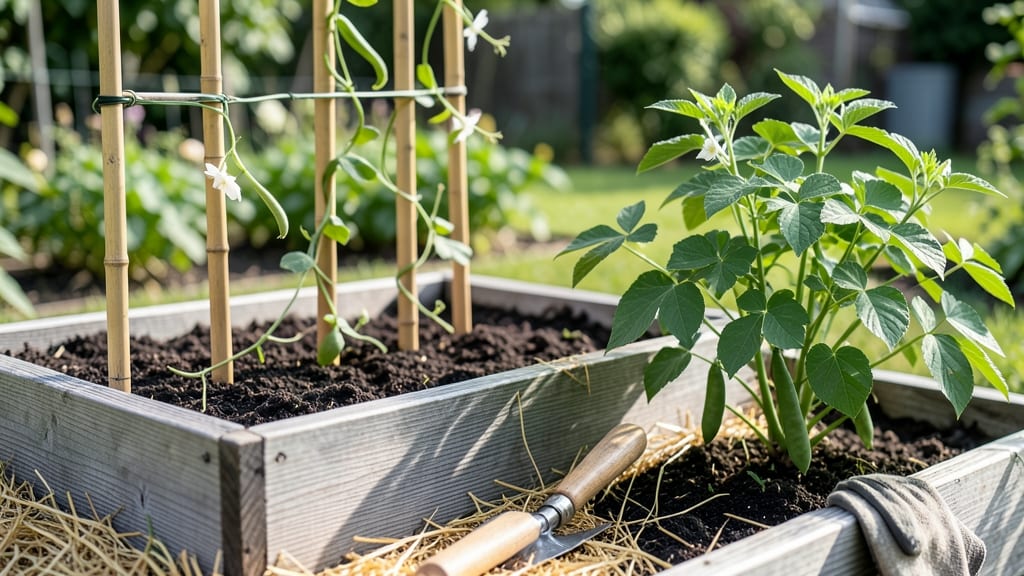
A raised garden bed for green beans isn’t just a space-saver—it’s a productivity game-changer. 🌱 After struggling with poor drainage and slugs in my in-ground rows, I built a 4x8-foot cedar bed that now produces three times the beans with half the effort.
The key? Combining the right soil mix, climbing support, and a few smart maintenance tweaks that keep pests at bay.
Start with 6-8 inches of well-draining soil (equal parts compost, coconut coir, and aged manure) to prevent root rot—a common issue in heavy garden beds. Install 5-foot tall bamboo stakes at each corner for pole beans, or use twine trellises for bush varieties.
Plant seeds 1 inch deep, 4-6 inches apart, and thin to 3-4 inches once sprouts emerge. The raised height keeps beans off damp soil where slugs lurk, and the cedar naturally deters burrowing pests.
Watering’s the secret weapon: 1 inch per week, delivered at the base to avoid wetting leaves (which invites mildew). Mulch with straw to retain moisture and suppress weeds, then watch as vines climb toward sunlight.
By mid-summer, you’ll harvest pounds of beans with minimal bending—no more stooping in soggy soil. The bed stays productive for 3-4 seasons with proper care, and you can even grow fall crops like kale afterward.
Pro tip: Rotate your bed location yearly to prevent soil depletion, and interplant with marigolds to deter bean beetles. The raised design also warms up faster in spring, giving you a 2-3 week head start on ground-planted beans.
Once you try this setup, you’ll never go back to traditional rows again.
📚 In This Guide
- What you need
- Instructions
- Tips and common mistakes
- Wrapping up and next steps
What you need
- ● Raised Garden Bed: Dimensions: At least 4’ x 8’ (or larger) and 10–12” deep (green beans need space to sprawl or climb!)
- ● Material: Untreated wood (cedar or redwood preferred), composite lumber, or galvanized metal
- ● Soil: High-quality potting mix or garden soil (avoid heavy clay)
- ● Compost: 1–2 bags (40–60 lbs each) for nutrient-rich soil
- ● Green Bean Seeds: 20–30 seeds (pole varieties like ‘Kentucky Wonder’ or ‘Blue Lake’ work best)
- ● Tools: Garden trowel or hand shovel
- ● Gloves (to protect your hands!)
- ● Watering can or hose with a gentle spray nozzle
- ● Measuring tape (for spacing seeds)
- ● Trellis or Bamboo Poles: 4–6 stakes (5–6’ tall) for pole beans to climb
- ● Mulch: Straw or wood chips to retain moisture and suppress weeds
- ● Fertilizer: Balanced organic fertilizer (5-5-5 or 10-10-10) for extra nutrients
- ● Row Cover or Netting: To protect beans from pests like bean beetles
Step-by-Step instructions for building a raised bed for pole green beans
Here's how to create a space-efficient, high-yield system that turns green beans into vertical stars.
🪴 Step 1: Select and Assemble the Raised Bed Frame
Choose untreated cedar or redwood lumber for longevity—2x6 boards work perfectly. Build a rectangular frame measuring 4 feet long × 2 feet wide × 12 inches deep (ideal for 4 plants). Use galvanized screws to assemble corners, ensuring the frame is square by measuring diagonals—they should be equal. Line the bottom with landscape fabric to block weeds while allowing drainage.
I like to add corner braces for extra stability, especially if your bed will be in a windy spot. The 12-inch depth gives roots room to establish without competing with grass underneath. Pre-drill screw holes to prevent wood splitting—this is where most DIY raised beds fail.
🌱 Step 2: Fill With the Right Soil Mix
Layer the bottom with 4 inches of coarse wood chips or straw for drainage, then fill the remaining space with a 50/50 blend of compost and garden soil. Avoid bagged potting mix—it compacts too easily. Work the soil until it's loose and crumbly, like cake batter. This ensures roots spread quickly rather than circling at the edges.
Add a handful of balanced organic fertilizer (10-10-10) mixed into the top 6 inches of soil. Green beans are heavy feeders, and this gives them a nutrient boost right when they need it. Water the bed thoroughly after filling to settle the soil and eliminate air pockets.
☀️ Step 3: Install Trellis System and Plant Seeds
Drive four 6-foot bamboo stakes into each corner of the bed, then attach 3 strands of twine horizontally at 12-inch intervals (top, middle, bottom). This creates a sturdy ladder for vines to climb. Plant 4-5 seeds per plant (they germinate unevenly) 1 inch deep and 3 inches apart in a single row along the center of the bed, right next to the trellis.
Thin to the strongest seedling per spot after germination. I like to plant seeds in late spring when soil reaches 60°F—cooler temps delay sprouting. Water gently after planting to avoid disturbing seeds, and keep soil consistently moist until germination (about 7-14 days).
💧 Step 4: Water and Maintain for Maximum Yield
Water at the base of plants in the morning to prevent fungal diseases from evening moisture. Green beans need 1-1.5 inches of water weekly, but check soil—it should stay 1-2 inches deep moist. Mulch with 2 inches of straw to retain moisture and suppress weeds. As vines grow, gently weave them onto the trellis every 3-4 days—this prevents breakage when beans get heavy.
Side-dress with compost tea or fish emulsion when flowers appear to boost pod production. Harvest beans every 2-3 days to encourage continuous growth. The key is consistency—never let the soil dry out completely, and always pick beans before they turn starchy.
✂️ Step 5: Prune and Extend the Harvest Season
When vines reach the top of the trellis (6 feet), trim the tips to redirect energy into pod production. This also prevents the trellis from toppling under the weight. In late summer, if your variety is heat-tolerant, you might get a second flush of beans—just keep the soil moist and watch for new flowers.
At season's end, cut vines down to 6 inches and compost them. The bed will stay fertile for next year's planting. I like to rotate crops annually to prevent soil-borne diseases, but green beans are heavy feeders, so replenish nutrients with fresh compost before replanting.
Tips & tricks for perfect raised garden bed green beans
These game-changing insights will help you maximize your vertical harvest while avoiding common pitfalls that waste time and effort.
Soil Preparation Secret: When mixing your 50/50 compost and garden soil blend in Step 2, add a handful of perlite (about 1 cup) to improve aeration. This prevents soil compaction that can strangle roots, especially important since green beans are shallow-rooted. I've noticed plants in amended soil reach the trellis 2 weeks faster than in unamended beds. The extra air pockets also help prevent fungal issues that thrive in dense, waterlogged soil.
Trellis Stability Tip: For the 6-foot bamboo stakes in Step 3, drive them at least 12 inches deep into the ground—not just until they stand upright. I've seen trellises collapse under heavy bean vines because the stakes weren't anchored properly. For extra security in windy areas, tie the top of each stake to a ground anchor using zip ties. This simple reinforcement can mean the difference between a sturdy system and a toppled harvest.
Watering Wisdom: The 1-1.5 inches of water weekly in Step 4 is a guideline, but timing matters more than quantity. Install a simple rain gauge near your bed to track actual rainfall. If you get 1 inch of rain, you can skip that day's watering entirely—overwatering causes more problems than underwatering in raised beds. I use a drip irrigation system on a timer for consistency, delivering water directly at the base where roots need it most.
Harvest Hack: When harvesting every 2-3 days as directed in Step 4, pick beans in the morning when they're firm and crisp. Use clean, sharp scissors to snip stems just above the pod—this prevents damage to the vine and encourages more production. I've found that harvesting at this time of day also extends shelf life by 2-3 days compared to evening harvests, when beans start converting sugars to starch overnight.
Pro Tips for Raised Garden Bed For Green Beans
- These game-changing insights will help you maximize your vertical harvest while avoiding common pitfalls that waste time and effort.
- Soil Preparation Secret: When mixing your 50/50 compost and garden soil blend in Step 2, add a handful of perlite (about 1 cup) to improve aeration.
- Trellis Stability Tip: For the 6-foot bamboo stakes in Step 3, drive them at least 12 inches deep into the ground—not just until they stand upright.
Frequently asked questions
Got questions about growing green beans in raised beds?
You’re in the right place! Here are answers to the most common queries—from setup to harvest—to help you grow like a pro.
What’s the best soil mix for green beans in a raised bed?
Use a well-draining mix of 60% topsoil, 30% compost, and 10% perlite or vermiculite. Green beans thrive in slightly acidic to neutral soil (pH 6.0–7.0). Avoid heavy clay or soggy soil—they hate "wet feet"! Test your soil before planting for peace of mind.
When is the ideal time to plant green beans in a raised bed?
Plant bush beans after the last frost when soil is at least 60°F (15°C). For pole beans, start seeds indoors 2–3 weeks earlier or sow directly 1–2 weeks after the frost date. In warm climates, plant in early spring or fall to avoid summer heat stress.
Can I grow green beans in a raised bed without trellises?
Yes! Bush beans don’t need support—they grow in compact 2–3 ft tall bushes. For pole beans, skip trellises only if your bed is at least 6 ft tall (they’ll sprawl). Otherwise, use cattle panels, bamboo stakes, or netting to save space and boost yields.
How do I prevent pests from destroying my green bean plants?
Start with neem oil or insecticidal soap for aphids/beetles. Use row covers early in the season to block Mexican bean beetles. Interplant with marigolds or basil to deter pests naturally. Avoid overwatering—damp foliage attracts slugs—and handpick larger pests (like earwigs) at dusk.
Why are my green beans flowering but not producing pods?
This usually means heat stress, poor pollination, or nutrient deficiency. If temps exceed 85°F (29°C), provide afternoon shade. Hand-pollinate flowers with a soft brush if bees are scarce. Add a balanced fertilizer (10-10-10) at planting and compost tea mid-season for a phosphorus boost.
Can I reuse the same raised bed for green beans year after year?
Yes, but rotate crops annually to prevent soil-borne diseases (like root rot). Avoid planting beans in the same spot two years in a row. Instead, follow them with nitrogen-fixing plants (like peas or clover) to replenish soil. Add 2–3 inches of compost each season to keep nutrients fresh.
Wrapping up and next steps
Growing green beans in a raised garden bed is a game-changer for small spaces—it’s efficient, productive, and oh-so-rewarding! 🌱 With just a few simple steps, you’ll enjoy a bountiful harvest of crisp, flavorful beans without needing a sprawling yard.
Whether you’re a seasoned gardener or a curious beginner, this method makes it easy to turn your patio or balcony into a thriving green bean haven.
Now that you’re armed with tips and tricks, roll up your sleeves and get planting! Start small if you’re new, experiment with varieties, and watch your beans climb and flourish.
Before you know it, you’ll be savoring homegrown goodness straight from your raised bed—that’s the magic of container gardening. Happy growing! 🌟