
Landscaping
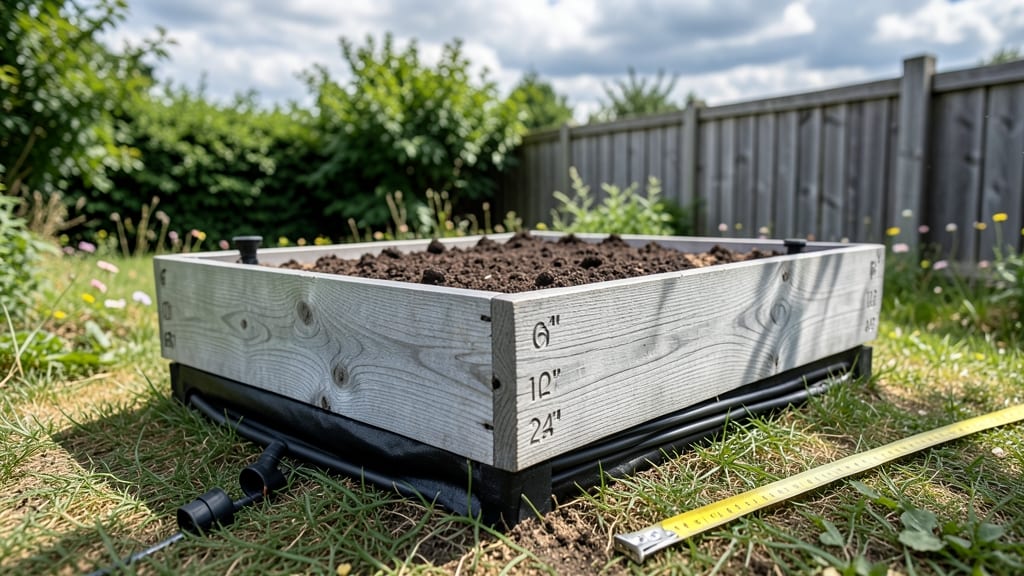
The right raised garden bed height can transform your gardening game—whether you're growing deep-rooted tomatoes or delicate herbs, the depth matters more than you might think.
Picture this: you’ve spent hours building the perfect bed, only to realize your carrots are crowding the sides or your soil drains like a sieve. The height of your raised bed isn’t just about looks—it’s about root depth, drainage, and even how easy it is to reach in.
Too shallow, and your plants struggle; too tall, and you’re fighting gravity (and your back) every time you tend to them.
Most gardeners default to 10-12 inches, but that’s not always enough for crops like potatoes or asparagus. On the flip side, a 24-inch bed might be overkill for lettuce or strawberries.
The secret? Matching the height to your plants and your needs—whether that’s wheelchair accessibility, better drainage, or simply saving your knees.
In this guide, I’ll break down the ideal heights for different crops, how to customize your bed for your soil type, and why a 6-inch difference can mean the difference between a bountiful harvest and a battle with soggy roots. Let’s get growing!

How tall should a raised garden bed be for maximum root growth?
Choosing the right raised garden bed height isn't just about aesthetics—it directly impacts root growth, drainage efficiency, and even your plant selection. Most gardeners assume taller is always better, but the truth is more nuanced.
A bed that's too shallow limits deep-rooted crops, while one that's too tall can create moisture retention issues and make maintenance harder. Let's break down the science behind ideal heights and how they affect your garden's success.
The minimum recommended height for most raised beds is 6-12 inches, which provides enough soil volume for shallow-rooted plants like lettuce, herbs, and strawberries.
However, if you're growing deep-rooted vegetables such as tomatoes, carrots, or asparagus, you'll want to aim for 18-24 inches to accommodate their full growth potential. This extra depth gives roots room to spread without becoming root-bound or competing for nutrients in a confined space.
Here's why height matters so much: Root depth determines how well plants access water and nutrients. Shallow beds may work for fast-growing greens but will stunt the growth of larger plants. Meanwhile, taller beds improve drainage and reduce soil compaction, creating a healthier environment for all your plants.
The key is matching your bed height to the specific needs of your crops.
🌱
| Bed Height | Best For | Root Depth | Drainage | Maintenance |
|---|---|---|---|---|
| 6-12 inches | Herbs, lettuce, strawberries, flowers | 6-12 inches | Good (prevents waterlogging) | Low (easy access) |
| 12-18 inches | Peppers, bush beans, radishes, small shrubs | 12-18 inches | Excellent (optimal drainage) | Moderate (some bending) |
| 18-24 inches | Tomatoes, carrots, asparagus, deep-rooted perennials | 18+ inches | Superior (prevents compaction) | High (requires tools) |
| Accessibility Tip | Wheelchair users | 12-18 inches | Good | Low (adjustable height) |
For shallow-rooted plants, a 6-12 inch bed is perfect. These include leafy greens, herbs, and strawberries, which thrive in well-aerated soil without needing excessive depth. The extra height helps with drainage and prevents soil from becoming compacted, which is especially important in clay-heavy soils.
Plus, it makes weeding and harvesting easier since you won't have to bend as much.
If you're growing deep-rooted vegetables, like carrots, potatoes, or asparagus, opt for a 18-24 inch bed. These plants need room to develop their full root systems, and shallow beds will restrict their growth.
For example, carrots can grow up to 12-16 inches long, so a deeper bed ensures they don't become stunted or forked. The same goes for tomatoes and peppers, which benefit from extra soil volume for stability and nutrient access.
Another factor to consider is soil volume. A taller bed holds more soil, which means more nutrients and moisture retention over time. However, taller beds also require more amendments like compost and organic matter to maintain fertility.
If you're using a 18-24 inch bed, plan to add 2-3 inches of compost annually to keep the soil rich and prevent depletion.
🌿
Don't forget about accessibility. If you have mobility challenges, a 12-18 inch bed is ideal because it reduces bending while still providing enough depth for most crops. You can even add adjustable legs or build the bed on a raised platform to make gardening more comfortable.
For children or beginners, a slightly elevated bed (around 8-10 inches) is easier to manage without being too shallow for most plants.
When building or modifying your raised bed, consider the materials you're using. Wood, stone, or composite lumber all have different heights and weight considerations.
For example, cedar or redwood are popular choices for their natural resistance to rot, but they may limit how tall you can build without additional support. If you're aiming for 24 inches or taller, consider using
Drainage vs. soil retention: balancing height for healthy plants
Getting the raised garden bed height right isn't just about aesthetics—it's a balancing act between drainage efficiency and soil moisture retention. Too low, and your plants may drown in heavy clay; too high, and you risk drying out sandy soils.
The ideal height depends entirely on your local soil type and the plants you're growing.
For most gardeners, a 10-12 inch height strikes the perfect balance. This depth prevents waterlogging while allowing enough soil volume for root growth. But if you're dealing with clay-heavy soil or frequent heavy rains, taller beds (18-24 inches) can be a game-changer for preventing root rot.
Raised Bed Height: Pros & Cons
- Pros: Cost-effective, good for shallow-rooted plants, easy to maintain
- Cons: Limited for deep-rooted crops, may struggle with waterlogging in clay
- Pros: Better drainage, room for deep roots, versatile for most plants
- Cons: Higher material cost, may dry out faster in sandy soils
- Pros: Excellent drainage, ideal for clay soils, accommodates large plants
- Cons: Expensive to build, requires more irrigation in dry climates
If you're working with sandy soils, consider adding a 1-2 inch layer of compost at the bottom of your bed. This creates a moisture-rich zone while still allowing excess water to drain.
For container-style beds, opt for taller heights (18+ inches) to give roots room to spread without drying out.
Your mulching strategy also changes with bed height. Taller beds need deeper mulch (3-4 inches) to retain moisture, while shorter beds benefit from lighter mulch (1-2 inches) to prevent overheating. Always mulch around the base of plants, not directly against stems, to avoid rot.
For irrigating taller beds, use soaker hoses or drip irrigation to deliver water directly to the root zone. Shorter beds can handle overhead watering, but be mindful of water runoff—especially if your bed sits on a slope.
Always water in the early morning to reduce evaporation and fungal risks.
Pro tip: Test your bed's drainage by filling it with water and timing how long it takes to drain. If water sits for more than 24 hours, your bed may need to be taller or amended with permeable materials like perlite or coarse sand.
Healthy plants start with the right balance—don't guess, measure!