
Landscaping
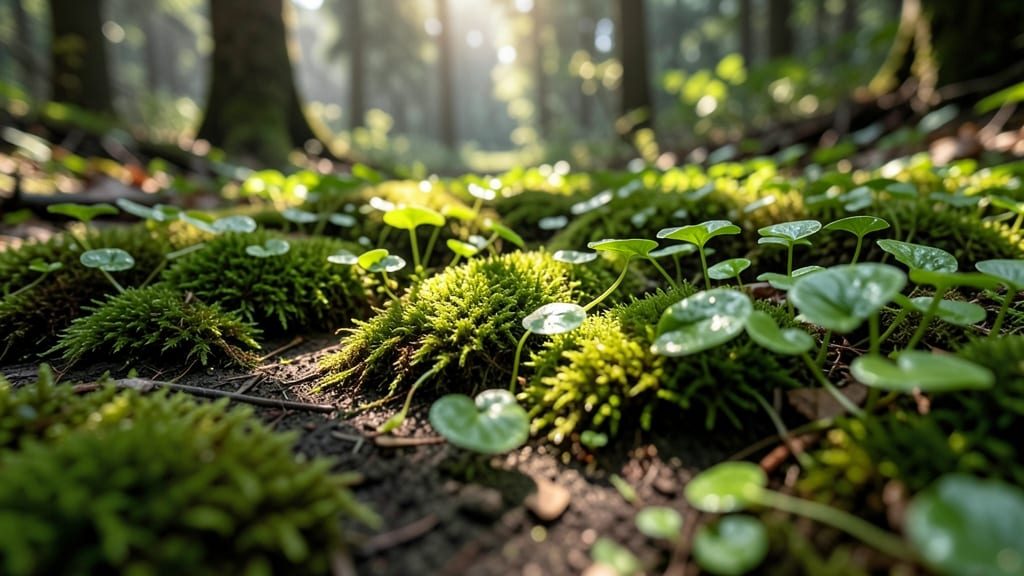
Struggling to create a vibrant flower bed in shady spots? These 10 low-maintenance plant combinations transform dappled light areas into lush, colorful gardens with minimal effort—perfect for beginners and busy gardeners alike.
Hostas and Ferns for Elegant Texture
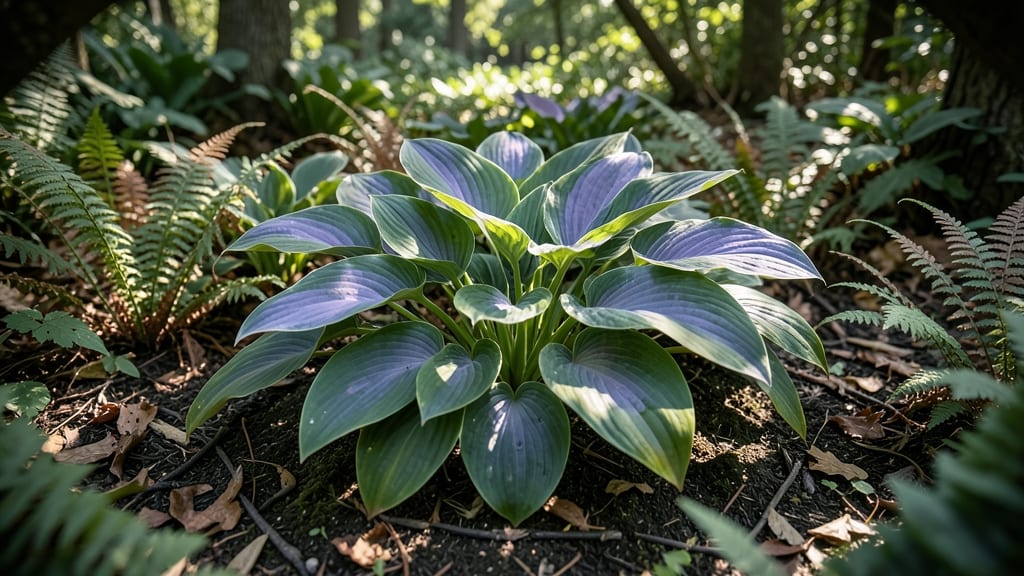
If you love the look of a lush, woodland garden but hate dealing with high-maintenance flowers, hostas and ferns are your perfect pair. These plants deliver bold texture and delicate movement without ever needing deadheading or fussing over blooms.
Start with hostas for their striking, waxy leaves in shades of green, blue, or gold—some varieties even have variegated edges. Pair them with ferns like maidenhair or ostrich fern for soft, feathery fronds that sway in the breeze. Both thrive in dappled shade to full shade, making them ideal for under trees or north-facing beds. Mulch with shredded bark to retain moisture and suppress weeds, and water consistently until established.
This combo is perfect for gardeners who want year-round interest with minimal effort—hostas stay attractive even when not blooming, while ferns add movement and contrast. The result? A serene, textured garden that feels like a secret forest retreat. 🌿
Bleeding Hearts with Astilbes
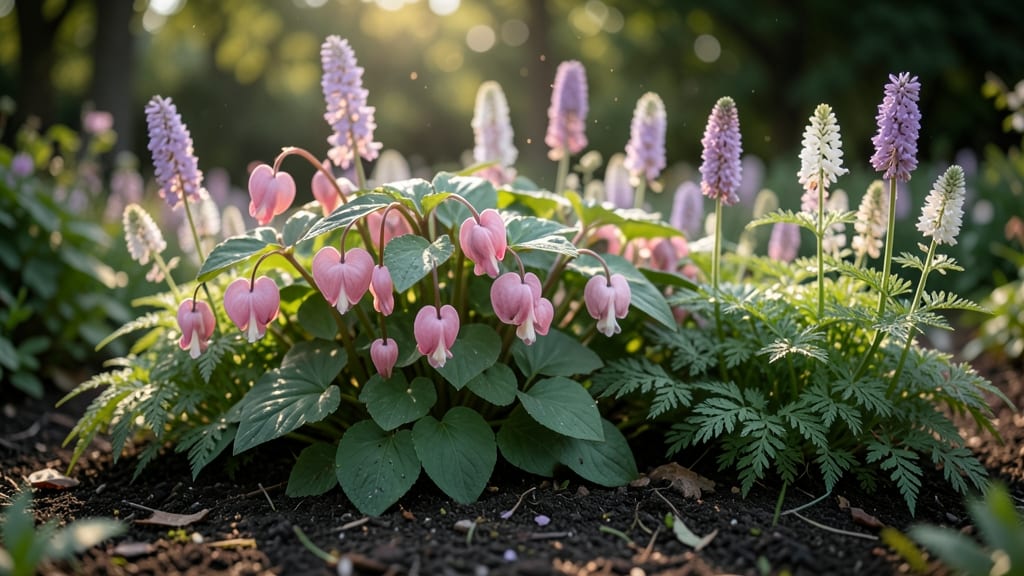
Craving a garden that feels like a love letter to nature? Pair bleeding hearts (Dicentra spectabilis) with astilbes (Astilbe spp.) for a dreamy, romantic display that thrives in partial shade. These two stars create a soft, cascading effect—bleeding hearts with their delicate, heart-shaped pink blooms and astilbes with their feathery purple plumes—perfect for adding whimsy to any shaded corner.
Both plants flourish in dappled light and well-draining soil, making them ideal for understory plantings or woodland garden edges. Once established, they require minimal watering, as their deep roots help them tolerate brief dry spells. For best results, plant bleeding hearts in the back (they reach 2-3 feet tall) and astilbes in front (1-2 feet tall) to create a layered, enchanting look. Mulch around the base to retain moisture and suppress weeds.
This combo is especially magical for gardeners who love seasonal interest—bleeding hearts bloom in spring, while astilbes put on a show in late spring to early summer. It’s the perfect choice for those who want a low-maintenance, heartfelt touch to their garden. 💚
Impatiens and Begonias for Colorful Spills
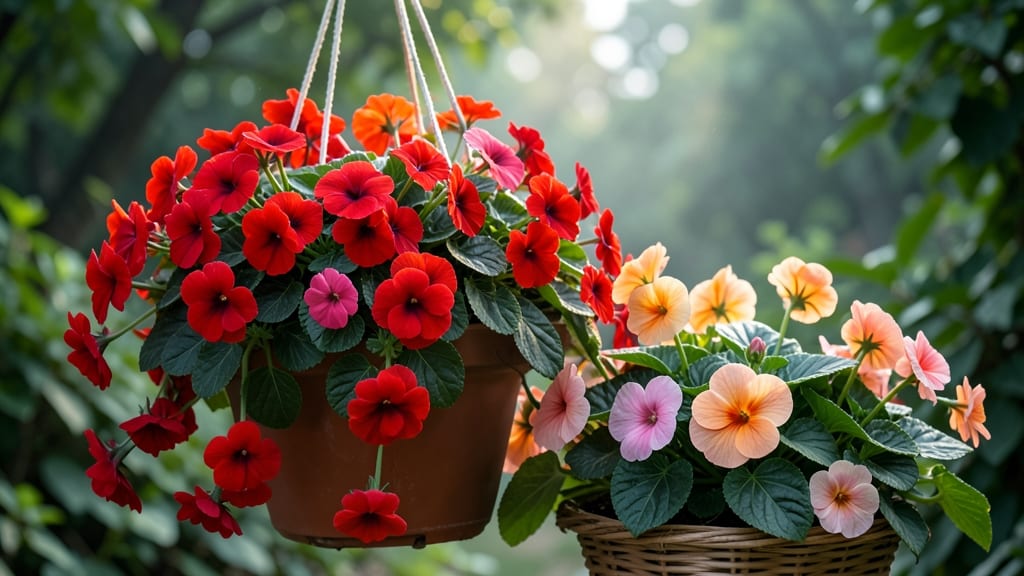
Want instant color in your shaded garden without the fuss of deadheading? Impatiens and begonias deliver nonstop blooms in vibrant reds, pinks, and oranges, thriving in partial to full shade where other plants struggle. These two powerhouses are the secret weapon for container gardens, hanging baskets, or borders that need a pop of cheer.
Both plants produce flowers continuously from spring until frost, making them ideal for low-maintenance displays. Impatiens prefer moist soil and dappled light, while begonias tolerate slightly drier conditions and can handle deeper shade. For best results, pair them with ferns or hostas to create a lush, layered look—no pruning required! Their trailing habits also make them perfect for spilling over edges or filling empty spaces.
Urban gardeners and busy homeowners will love this combo—it’s the easiest way to add color to shady spots without the upkeep of high-maintenance bloomers. Just keep the soil consistently moist, and you’ll enjoy a parade of flowers all season long. 🌻
Hellebores and Lungwort for Winter Interest
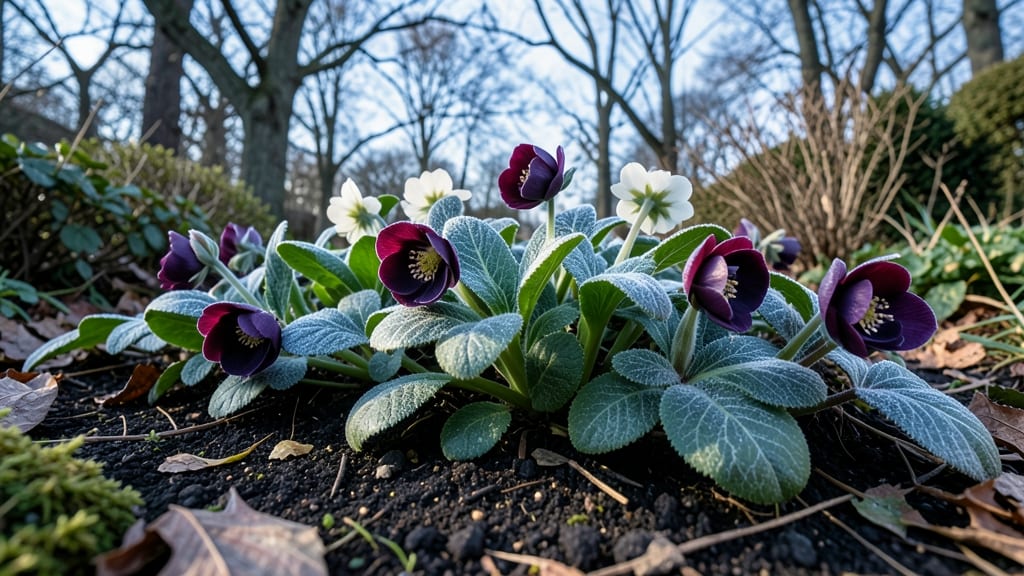
When most gardeners think of winter, they imagine bare branches and dormant soil—but not with helleborus (Lenten roses) and lungwort in your shaded bed. These two perennials defy winter’s rules by offering year-round interest, with hellebores blooming as early as December and lungwort providing silvery-spotted foliage that stays vibrant through frost.
Plant helleborus in clusters for dramatic winter color, choosing varieties like 'Annie's Winter Gift' for nodding white flowers that attract early pollinators. Pair it with lungwort (Pulmonaria), which blooms in early spring with pink-to-blue flowers before its foliage emerges. Both thrive in partial to full shade and tolerate dry soil once established, making them perfect for low-maintenance gardeners.
This duo is especially rewarding for gardeners who want to extend their growing season without extra effort. The combination works beautifully under trees, along north-facing walls, or in any spot where other plants struggle. 🌿
Caladiums for Tropical Foliage Drama
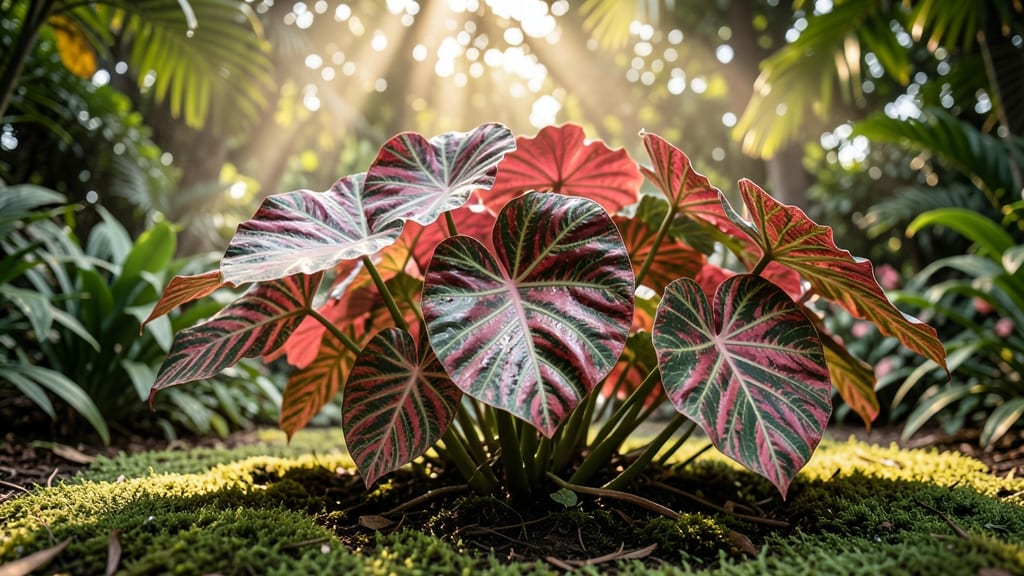
Tired of shade beds that look dull and lifeless? Caladiums turn summer shade into a tropical spectacle with their dramatic, patterned leaves that outshine many flowers. These plants thrive where others struggle, bringing bold colors and textures to areas that get only filtered light.
Plant caladiums in well-draining, moist soil under trees or along north-facing walls where they’ll receive 4-6 hours of dappled light daily. Their care is simple: keep the soil consistently moist (but not soggy) and mulch to retain humidity—no fertilizers or pruning required. Varieties like ‘White Queen’ or ‘Pink Beauty’ offer striking foliage that lasts from early summer through fall.
Perfect for container gardens, mixed beds, or as a striking focal point, caladiums give you instant drama with almost no effort. Urban gardeners and busy plant lovers will appreciate how they brighten shady corners without demanding attention. 💚
Sweet Woodruff and Pulmonaria for Fragrant Ground Cover
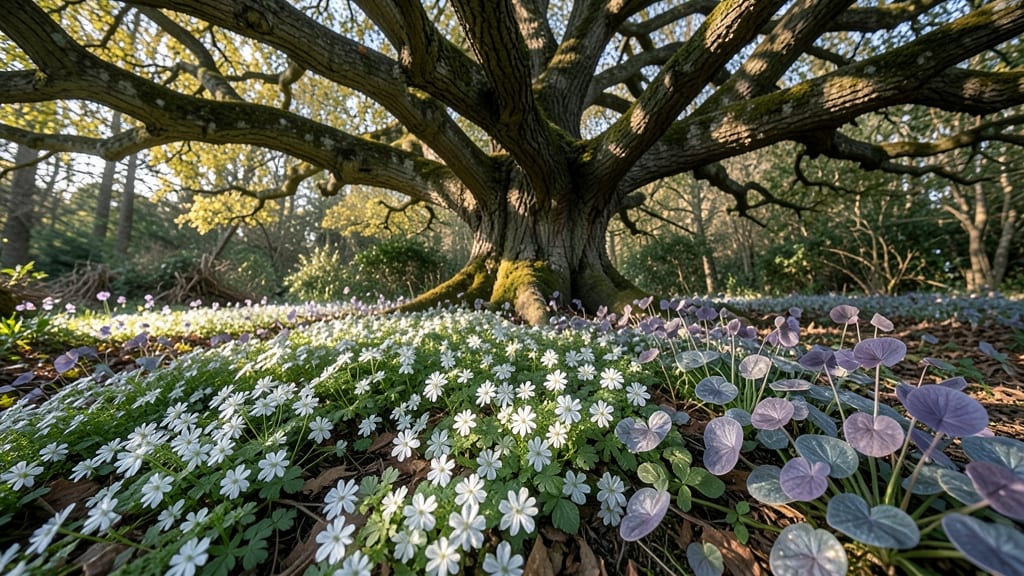
Tired of bare spots under trees that look dull and uninviting? Sweet woodruff and pulmonaria turn those forgotten areas into a fragrant, living carpet that smells like vanilla when you brush against it. This dynamic duo thrives in deep shade while filling gaps with lush, low-growing foliage that stays green all season.
Sweet woodruff spreads quickly with tiny white flowers that release their signature scent when crushed, while pulmonaria (lungwort) blooms in early spring with spotted purple flowers that fade to silvery foliage. Both are drought-tolerant once established and suppress weeds naturally, making them perfect for understory planting. Plant them in clusters for maximum fragrance impact.
This combo is ideal for gardeners who want low-maintenance beauty without sacrificing sensory appeal. It’s especially great for woodland gardens, patios, or any spot where you want to soften hard edges with living color. 💚
Japanese Painted Ferns with Heuchera
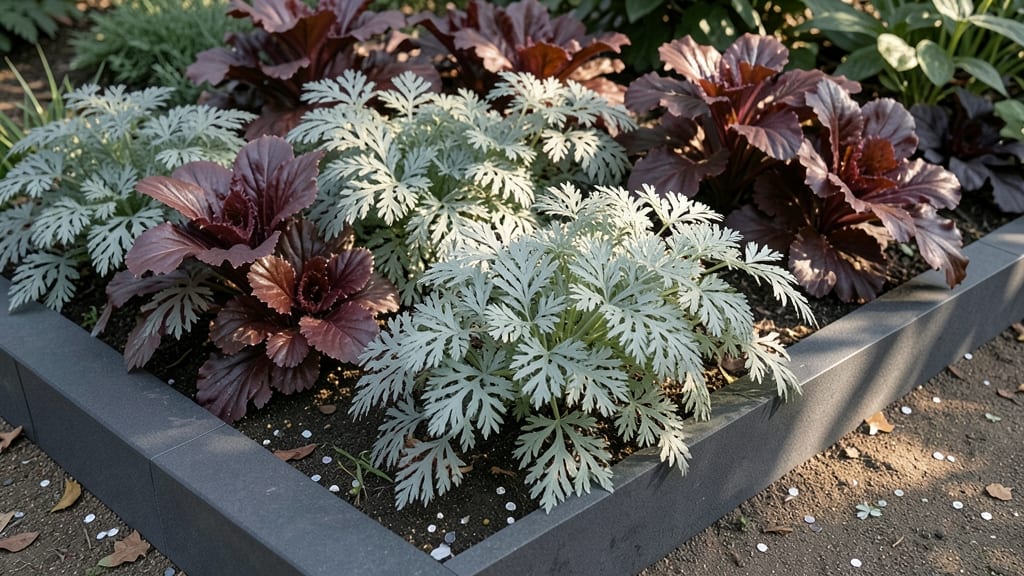
Modern gardens don’t need flashy flowers to stand out—Japanese painted ferns and heuchera deliver a sleek, contemporary look with minimal effort. Their contrasting silver and burgundy hues create striking visual interest while thriving in dry shade, where many plants struggle. This combo works year-round, with ferns adding delicate texture and heuchera’s bold stems providing structure.
Plant Japanese painted ferns (like Athyrium niponicum) alongside heuchera varieties with deep purple or silver foliage for maximum contrast. Both tolerate drought once established and prefer well-draining soil, making them perfect for urban gardens or low-maintenance beds. Group them with other shade-lovers like cortex bark for extra texture, or let them shine solo in a minimalist design.
This pairing is ideal for gardeners who want low-maintenance elegance without sacrificing color. The ferns’ feathery fronds and heuchera’s vibrant stems create movement and depth, perfect for modern landscapes that prioritize form over fuss. 💚
Foxgloves and Columbines for Vertical Height
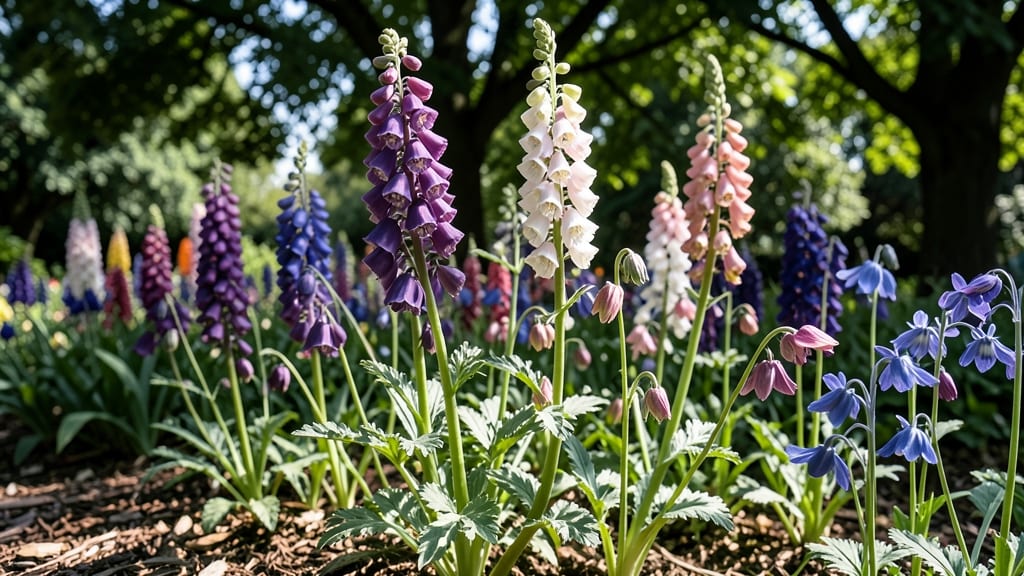
If your shaded flower bed feels flat and lacks dimension, foxgloves and columbines are your secret weapons. These striking perennials shoot upward like nature's own vertical accents, instantly adding drama to borders or the back of beds where space is limited.
Foxgloves reach heights of 3-5 feet with their iconic bell-shaped blooms in shades of purple, pink, and white, while columbines offer delicate, spiky flowers in blues, purples, and yellows that dance on 2-3 foot stems. Both thrive in partial shade (3-6 hours of sun) and prefer well-draining soil—plant them together for a cascading effect that draws the eye upward. Deadhead spent blooms to encourage more flowers, and they'll self-seed for years of effortless vertical interest.
This combo is ideal for gardeners who want height without the fuss of trellises or staking. Urban gardeners with small spaces will love how these plants create visual depth in tight areas, while cottage garden enthusiasts can use them to frame pathways or soften fences. 🌿
Daffodils and Alliums for Early Spring Color
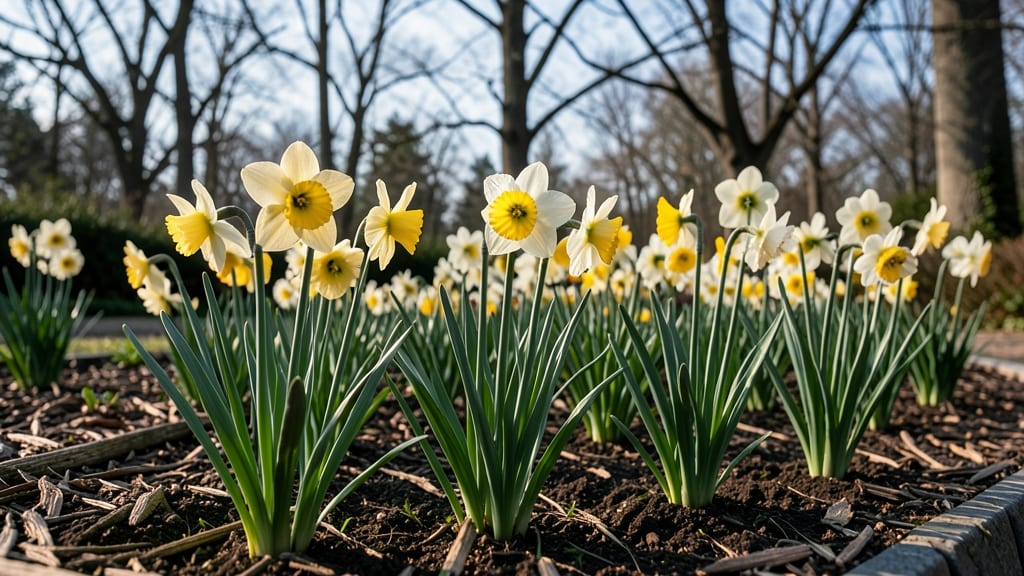
Tired of waiting for summer blooms to brighten your shaded garden? Daffodils and alliums are your secret weapon—they burst into color in early spring, often before trees even leaf out. These hardy bulbs thrive in partial shade and deliver months of effortless beauty with almost zero upkeep once planted.
Plant daffodils (like 'Tête-à-Tête' for compact blooms) and alliums (such as 'Purple Sensation') in fall for a spring surprise. They tolerate wet soil better than most spring flowers and deter deer and squirrels naturally. Group them in odd-numbered clusters for a natural, cheerful look that pops against emerging foliage.
This combo is perfect for gardeners who want instant color without summer maintenance. Even beginners will love how these bulbs multiply over time, creating more blooms each year with no extra work. 🌻
Moss and Creeping Jenny for Zero-Maintenance Ground Cover

If you’ve ever stared at a shady patch of dirt and sighed, moss and creeping jenny are your new best friends. This dynamic duo thrives in low-light conditions where other plants struggle, offering a lush, green carpet that stays vibrant year-round—no matter how busy (or lazy) you are.
Start by preparing your soil with a layer of organic matter to help moss establish quickly. Creeping jenny (Lysimachia nummularia) spreads rapidly with its bright yellow foliage, while moss fills in gaps, creating a seamless, velvety texture. Water occasionally to keep the moss plump, but both plants are drought-tolerant once established. A quick trim with hedge shears once or twice a year keeps creeping jenny tidy without sacrificing its cheerful color.
This combo is ideal for urban gardeners with limited time or woodland gardeners who want to mimic a natural forest floor. It’s also perfect for filling awkward spaces under trees or along shady walkways. 🌿