
Mower
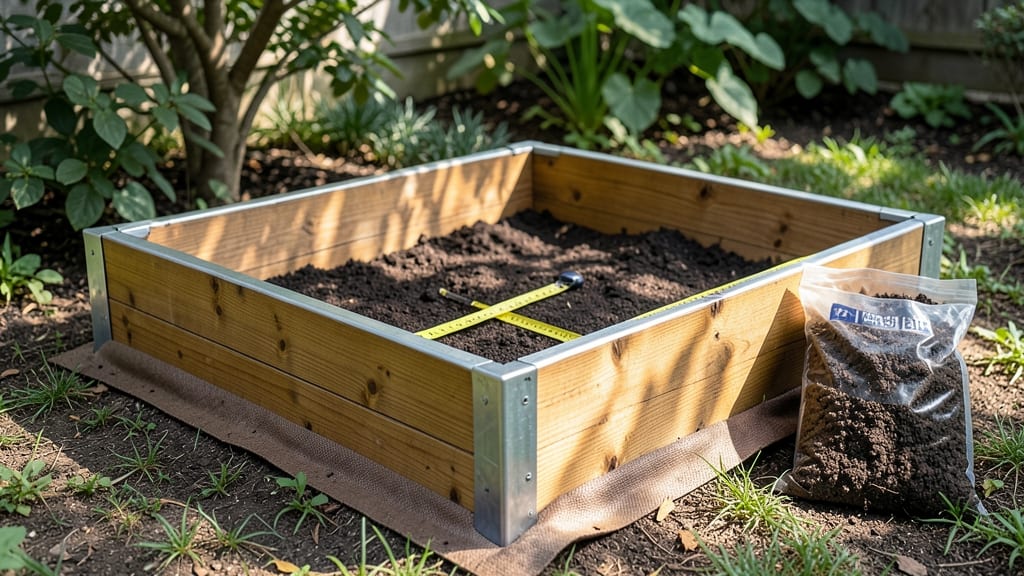
When building raised beds, the typical size like 4’ x 8’ (the most common) or 3’ x 6’ works best, with depths between 6–12 inches to support healthy root development and proper drainage. Keeping widths under 4’ ensures easy access from both sides for weeding and harvesting.
The typical raised bed size most gardeners choose balances planting capacity with practicality. A 4-foot width lets you reach the center without stepping inside, while 8-foot lengths maximize growing space in small areas.
The 6–12-inch depth prevents soil compaction while accommodating deep-rooted plants like tomatoes or carrots. 🌱 For tighter spaces, smaller beds like 3’ x 6’ still work well—they just require more strategic placement to avoid crowding.
What many beginners overlook is how bed shape affects airflow and sunlight exposure. Rectangular beds (like 4’ x 8’) make efficient use of corners, while square beds (4’ x 4’) are easier to fill with soil and materials.
I always recommend testing your reach first—if you can’t comfortably stretch across the width, your back (and plants) will thank you later.
💡 In This Article
- How Raised Bed Dimensions Impact Plant Growth and Accessibility
- Choosing the Best Raised Bed Size for Your Garden Layout
How raised bed dimensions impact plant growth and accessibility
The 4-foot width of standard raised beds isn't arbitrary—it's an ergonomic sweet spot that prevents soil compaction while allowing gardeners to reach the center without stepping inside.
Studies show that most adults can comfortably stretch 24 inches (half of 4 feet) from either side, which means you avoid trampling soil or disturbing plant roots during maintenance. This width also creates a natural microclimate where soil moisture retention improves due to reduced exposure to wind and sun.
Depth plays a critical role in root development. Beds with 6–12 inches of soil accommodate most vegetables (like lettuce or radishes) while giving deeper-rooted plants (such as carrots or tomatoes) room to thrive.
The top 6 inches are ideal for shallow-rooted crops, while the additional 6 inches support those needing more space. Too little depth (4 inches) restricts root growth, while excessive depth (> 12 inches) can lead to waterlogging and poor drainage, especially in clay-heavy soils.
Shape matters too—rectangular beds (like 4’ x 8’) maximize corner space for planting, while square beds (4’ x 4’) are easier to fill with soil and materials. Rectangular designs also allow for better airflow between rows, reducing disease risk in dense plantings.
For example, a 4’ x 8’ bed can fit 4 rows of plants with 18-inch spacing, whereas a square bed might only accommodate 3 rows efficiently. The trade-off? Rectangular beds require more lumber or materials for construction.
Soil moisture retention is another key factor tied to width. Narrower beds (3 feet) dry out faster in hot climates because they have more surface area relative to volume, while wider beds (> 4 feet) can become harder to maintain without stepping inside.
The 4-foot rule balances these needs perfectly. For instance, in arid regions, a 3’ x 6’ bed might need daily watering, whereas a 4’ x 8’ bed retains moisture longer due to its reduced surface-to-volume ratio.
Accessibility also affects plant health. Beds wider than 4 feet force gardeners to step inside, compacting soil and damaging roots. This compaction reduces oxygen availability, slowing plant growth. Meanwhile, beds narrower than 3 feet limit planting options—you can’t fit broad-row crops like corn or squash without overcrowding.
The 4-foot width strikes the ideal balance, allowing you to grow everything from leafy greens to bush beans without sacrificing ease of care.
Consider this real-world example: In my own garden, a 4’ x 8’ bed grows 12 tomato plants, 20 radishes, and 15 lettuce plants with no crowding. The 12-inch depth ensures tomatoes develop strong roots, while the width lets me harvest without disturbing neighboring plants.
The result? Healthier plants, fewer weeds, and less back strain during maintenance. 🌱