
Tools
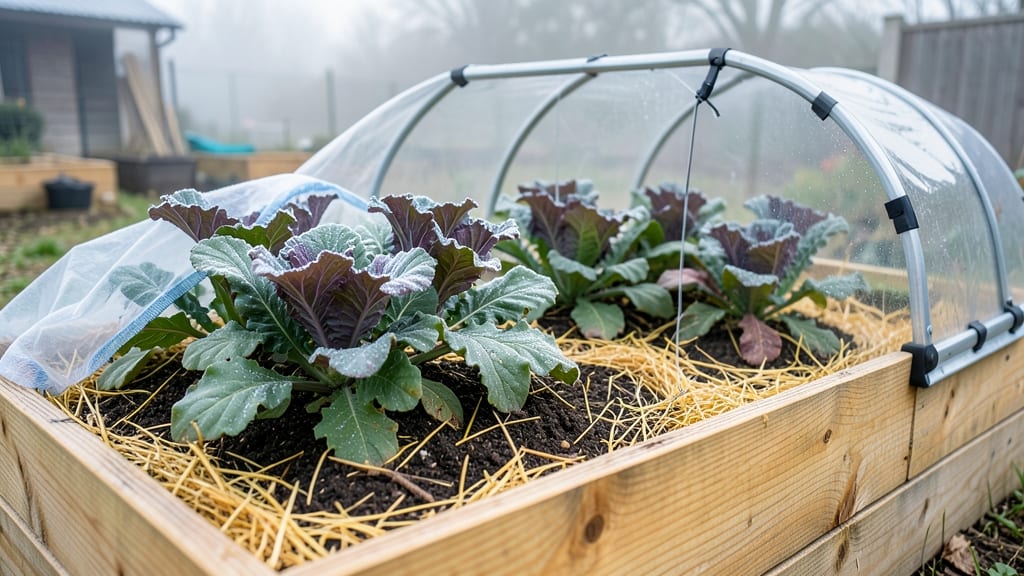
A winter raised bed garden turns your coldest months into a harvest bonanza. 🌱 I’ve grown kale, carrots, and spinach through snowfall using the same simple tricks—no greenhouse needed. The key is choosing plants that love the chill and insulating them right.
Start with hardy greens like spinach or Swiss chard—they taste sweeter after frost. Add root crops (carrots, beets) and cold-tolerant herbs (parsley, cilantro) for variety. A thick layer of straw or leaves keeps soil temps stable, while row covers shield delicate plants.
By late fall, you’ll be harvesting fresh greens while others are shoveling snow. The beds stay productive, and spring planting starts with pre-warmed soil. Even in Zone 5, this method works—just adjust mulch thickness for your climate. No fancy setups here, just smart layering and the right crops.
Ready to grow through winter? Let’s get your beds set up for success.
📚 In This Guide
- What you need
- Instructions
- Tips and common mistakes
- Wrapping up and next steps
What you need
- ● Raised Bed Frame: Untreated wood (cedar or redwood recommended) – 4x 8-foot boards (2x12 or 2x10) or pre-made kits
- ● OR Galvanized metal or composite materials (for durability)
- ● Garden Fabric or Cardboard: Heavy-duty landscape fabric (10 oz or thicker) or 5-7 layers of cardboard (for weed suppression)
- ● Soil & Amendments: 6-12 cubic feet of high-quality potting mix or raised bed soil blend (avoid garden soil)
- ● Compost (2-3 cubic feet) or well-rotted manure
- ○ Optional: Perlite, vermiculite, or coconut coir (1-2 bags) for drainage
- ● Cold Protection: Row covers (frost cloth or lightweight blankets)
- ○ Cold frames or mini greenhouses (optional, for extra warmth)
- ● Tools: Garden trowel or hand fork
- ● Pruners (for harvesting)
- ● Watering can or hose with a gentle spray nozzle
- ● Measuring tape & level (for even bed construction)
- ● Gloves & knee pads (because winter gardening is worth the comfort!)
- ● Sunny spot (6+ hours of sunlight daily) – even in winter!
- ● Easy access to water (or a drip irrigation setup for consistency)
- ● Knowledge of cold-hardy crops (kale, spinach, carrots, etc.)
- ● Patience! Winter gardens grow slower, but they’re worth the wait.
Step-by-step guide to building a productive winter raised bed
Here's how to transform a raised bed into a cold-hardy winter harvest powerhouse—no greenhouse needed.
🪴 Step 1: Choose and Prepare the Right Location
Select a spot that gets at least 6 hours of sunlight daily, even in winter. South-facing beds capture the most winter sun, but west-facing works too. I always avoid low spots where cold air settles—you want airflow to prevent frost pockets. Measure your bed's dimensions and mark the area with stakes and string for precision.
Clear any grass or weeds completely. Smother remaining vegetation with 6-8 sheets of cardboard (no glossy paper) for 2 weeks before building. This kills weeds and prevents regrowth. I like to add a 2-inch layer of straw over the cardboard to deter rodents from nesting in the debris.
☀️ Step 2: Build or Modify for Winter Insulation
Use untreated cedar or redwood lumber for your raised bed frame—these woods resist rot in wet winter conditions. For winter growing, construct beds at least 10-12 inches deep to accommodate extra insulating layers. I reinforce corners with galvanized screws to prevent warping from seasonal moisture shifts.
Line the bottom with landscape fabric to block weeds while allowing drainage. Fill the bed with a mix of 50% compost, 30% topsoil, and 20% coarse sand or perlite for winter drainage. This blend stays loose enough for roots to breathe even when cold and wet. Fluff the mix with a garden fork to create air pockets.
🌱 Step 3: Plant Cold-Hardy Winter Crops Strategically
Start with spinach, kale, and carrots—these thrive in 30-50°F temperatures. Plant spinach and kale 1 inch deep, spacing seeds 3-4 inches apart in rows 12 inches apart. For carrots, sow seeds ¼ inch deep in rows 6 inches apart—they need consistent moisture to prevent forking.
Add a 2-inch layer of straw mulch after planting to insulate soil and retain moisture. I always mark rows with small sticks to avoid disturbing roots when harvesting. For extra protection, drape frost cloth over the bed during hard freezes (below 20°F). Leave the edges open so plants don't suffocate.
💧 Step 4: Adjust Watering and Maintenance for Winter
Water deeply 2-3 times per week when soil feels dry 2 inches below the surface. Winter watering is critical—frozen ground prevents absorption, so soak the bed thoroughly before temperatures drop. I use a soaker hose to deliver water at the base without disturbing mulch or plants.
Check for pests like slugs and aphids weekly, especially under frost cloth. A 1-inch layer of diatomaceous earth around plant bases keeps crawlers away. Harvest leafy greens from the outside inward to encourage continuous growth. If snow falls, let it melt naturally—it provides free insulation and gradual watering.
✂️ Step 5: Extend the Season with Succession Planting
As winter progresses, clear out spent plants and sow radishes (in early winter) or peas (late winter) for spring harvests. Radishes germinate quickly in cool soil (50-60°F) and are ready in 3-4 weeks40-50°F soil and benefit from trellises to save space.
Add a compost top-dressing in early spring to replenish nutrients. I mix in 1 inch of worm castings and 1 tablespoon of balanced fertilizer (10-10-10) per square foot. This jumpstarts growth without shocking cold-hardy plants. Rotate crops annually to prevent soil depletion and disease buildup.
Tips & tricks for perfect winter raised bed gardens
Winter gardening doesn't have to be a guessing game—these practical tips will help you maximize your cold-season harvest.
Sunlight Strategy: While the instructions recommend at least 6 hours of sunlight daily, I've found that adding reflective surfaces like white gravel or light-colored stones around the bed can increase effective sunlight exposure by up to 20%. Place these reflectors on the north side of your bed to bounce additional light onto your plants during winter's shorter days. For containers or smaller beds, consider using a portable grow light on cloudy days to supplement natural light.
Soil Temperature Secret: The 30-50°F temperature range mentioned for optimal growth can be tricky to maintain. I use a simple soil thermometer to check temperatures before planting—aim for the upper end (45-50°F) for faster germination. If your soil runs colder than 30°F, consider using black plastic mulch before planting to absorb and retain heat from the sun. This works especially well for radishes and peas mentioned in Step 5.
Mulching Mastery: That 2-inch layer of straw mulch is your best friend in winter, but here's what nobody tells you—it's better to apply mulch after watering. Wet mulch insulates better and stays in place longer. I also recommend using straw rather than leaves, which can mat down and create anaerobic conditions. For extra insulation during hard freezes (below 20°F), add an additional inch of straw or even old blankets over frost cloth to create a mini greenhouse effect.
Watering Wisdom: The 2-3 times per week watering schedule works well, but timing matters more than frequency in winter. Always water in the late afternoon when temperatures are slightly warmer—this gives plants time to absorb moisture before evening frost. I've found that using a moisture meter (inserted 2 inches deep) is more reliable than checking by feel, especially in cold, wet conditions. If your soil stays consistently moist, you can reduce to twice weekly watering.
Pro Tips for Winter Raised Bed Garden
- Winter gardening doesn't have to be a guessing game—these practical tips will help you maximize your cold-season harvest.
- Place these reflectors on the north side of your bed to bounce additional light onto your plants during winter's shorter days.
- Soil Temperature Secret: The 30-50°F temperature range mentioned for optimal growth can be tricky to maintain.
Frequently asked questions
What are the best cold-hardy crops for a winter raised bed garden?
Focus on leafy greens like kale, spinach, and Swiss chard, root vegetables such as carrots, beets, and radishes, and hardy herbs like parsley and cilantro. Brassicas (broccoli, cabbage, Brussels sprouts) also thrive in cooler temps. Check your USDA hardiness zone for tailored recommendations!
When is the ideal time to plant a winter raised bed garden?
Start 6–8 weeks before the first frost for a fall harvest, or plant directly in late fall (after soil temps drop below 70°F). Succession planting every 2–3 weeks ensures a steady supply. For overwintering, plant hardy crops in late summer to establish roots before cold sets in.
How do I protect my winter garden from freezing temperatures?
Use row covers, cold frames, or low tunnels to trap heat. Straw mulch (4–6 inches) insulates soil and roots. Avoid plastic directly on plants—it can cause rot. Water thoroughly before hard freezes to help plants retain moisture.
Can I reuse soil from last year’s summer garden in a winter raised bed?
Yes, but amend it first! Add compost, aged manure, or organic matter to replenish nutrients lost over summer. Winter crops deplete soil differently—test pH and adjust with lime or sulfur if needed. Crop rotation also prevents disease buildup.
What if my winter crops bolt or turn bitter in cold weather?
Bolting (premature flowering) happens when temps fluctuate. Harvest leaves before bolting or opt for bolting-resistant varieties (e.g., ‘Winter Density’ kale). Bitter flavors? Cold-hardy greens like arugula or ‘Winterbor’ kale stay sweet. Shade cloth can prevent heat stress if temps spike unexpectedly.
Wrapping up and next steps
Growing a winter raised bed garden isn’t just possible—it’s a rewarding way to extend your harvest and enjoy fresh produce year-round! 🌱 By choosing cold-hardy crops, insulating your beds, and staying adaptable, you’ll turn chilly months into a thriving, productive season.
Start small, experiment with what works best in your climate, and soon you’ll be harvesting crisp greens and hearty roots even when snowflakes are falling.
Ready to take the next step? Sketch a simple plan for your winter garden today—pick your favorite cold-resistant crops, gather supplies, and get those beds ready. Your future self (and taste buds!) will thank you. Happy gardening! 🌟