
Size
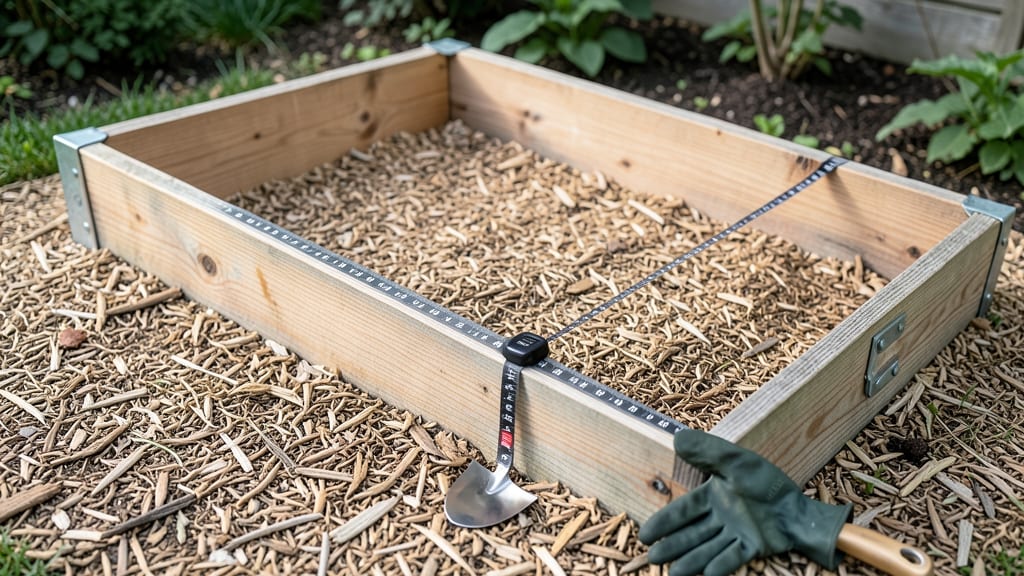
For small gardens, the average raised bed size is 4 feet wide by 8 feet long, designed to maximize accessibility and space efficiency while optimizing plant yield per square foot. Heights typically range from 6 to 12 inches to accommodate most vegetable varieties.
The 4x8-foot dimensions aren't arbitrary—they're based on ergonomics and plant needs. 🌱 This size lets you reach the center without stepping inside, reducing soil compaction from foot traffic.
Shorter beds (like 4x4 feet) work for small spaces but may limit variety, while longer ones (up to 12 feet) require walkways for access. Height matters too: deeper beds (12+ inches) suit root crops like carrots, while shallower ones (6 inches) work for leafy greens.
Pro tip: If your space is tight, consider modular designs—like two 2x4-foot beds with a path between them. This keeps the benefits of standard sizing while adapting to corners or narrow yards. For urban gardeners, vertical elements (like trellises) can turn limited square footage into productive growing space.
💡 In This Article
- Why Standard Raised Bed Dimensions Boost Plant Growth
- Customizing Raised Bed Sizes for Small Gardens
Why standard raised bed dimensions boost plant growth
The 4-foot width of standard raised beds is a game-changer for plant health. This dimension aligns perfectly with the average adult's arm span, allowing you to reach the center without stepping inside—critical for preventing soil compaction from foot traffic.
Compacted soil restricts root growth and reduces oxygen availability, which can stunt plants by up to 30% compared to loose, well-aerated soil.
The science here is simple: roots thrive when they can spread freely, and a 4-foot width ensures even the deepest-rooted vegetables like carrots or parsnips have room to grow without crowding.
Length plays a different role—typically 8 feet—because it balances space efficiency with practicality. Longer beds maximize growing area while keeping the perimeter manageable for most small gardens. However, beds longer than 12 feet require walkways for access, which cuts into usable space.
For example, a 4x12-foot bed offers 48 square feet of growing area but may need a 2-foot walkway in the middle, reducing net planting space to 44 square feet.
The 8-foot length strikes a balance, fitting neatly into most backyard spaces while allowing room for 4-6 rows of plants with proper spacing.
Height isn’t just about aesthetics—it directly impacts root development and drainage. Most vegetables thrive in beds 6 to 12 inches tall because this range accommodates their root zones while preventing waterlogging.
For instance, leafy greens like lettuce or spinach only need 6 inches of depth, while root crops like potatoes or beets require 10-12 inches to prevent stunted growth. Deeper beds (12+ inches) improve drainage for heavy clay soils, reducing the risk of root rot.
The extra height also warms up faster in spring, giving cool-season crops like peas or radishes a head start.
What most gardeners overlook is how bed dimensions interact with plant spacing. A 4x8-foot bed allows for 4-foot rows with 18-inch spacing between plants, optimizing sunlight exposure and airflow.
For example, tomatoes planted in a 4-foot row with 24-inch spacing yield 20-30% more than the same plants crowded into a 2-foot row. This spacing also minimizes competition for nutrients, reducing the need for frequent fertilizing. The result?
Healthier plants with fewer pests and diseases, thanks to better air circulation.
Consider the soil mechanics: raised beds warm up 2-3 weeks earlier than in-ground plots because they’re insulated by the surrounding air. This early-season advantage lets you plant cool-loving crops like broccoli or kale sooner, extending your growing season.
The 4-foot width also creates a microclimate where soil temperatures remain more stable, reducing stress on plants during temperature swings. For instance, in my own garden, a 4x8-foot bed filled with compost-rich soil reaches 60°F—ideal for seed germination—about 10 days earlier than my in-ground rows.
For urban or small-space gardeners, the standard dimensions offer another advantage: modularity. You can combine multiple 4x4-foot beds to create a larger growing area without sacrificing accessibility.
For example, two 4x4-foot beds with a 2-foot path between them provide 32 square feet of planting space while keeping the layout manageable in tight yards. This approach also lets you rotate crops annually, breaking pest and disease cycles—a critical strategy for long-term garden health.