
Tools
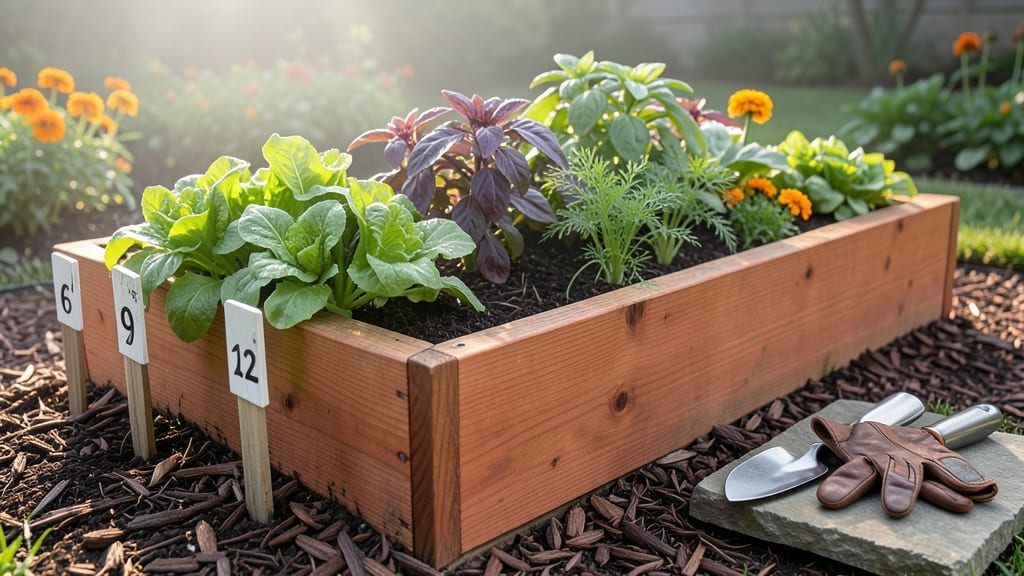
The ideal garden bed height for plant health and accessibility ranges between 6 to 12 inches deep, with raised beds typically 6 to 12 inches above ground for easier maintenance and root growth. Deeper beds support taller plants, while shallower beds suit smaller crops or container gardening.
The depth and elevation of your garden beds directly impact plant vitality and your gardening experience. 🌱 Shallower beds (4–6 inches) work well for shallow-rooted plants like lettuce or herbs, while deeper beds (10–12 inches) give root vegetables like carrots or potatoes the space they need to thrive.
Raised beds also improve drainage and reduce soil compaction, making them ideal for heavy or clay-heavy soils. I’ve found that adding 2–4 inches of compost to any bed height boosts nutrient levels without overcrowding roots.
For accessibility, raised beds between 10–12 inches tall are perfect for kneeling or standing while gardening, reducing strain on your back. Wooden frames are popular for their durability, but metal or stone options can last longer in wet climates.
If space is limited, consider vertical gardening or tiered beds to maximize growing area without sacrificing depth.
💡 In This Article
- How Garden Bed Height Affects Root Growth and Soil Health
- Choosing the Right Garden Bed Height for Your Plants and Space
How garden bed height affects root growth and soil health
Root systems thrive when garden bed depth aligns with their natural growth patterns. Shallow-rooted plants like lettuce or basil only need 4–6 inches of soil, while deep-rooted crops such as tomatoes or asparagus require 12–18 inches to access nutrients and water.
The extra depth in deeper beds prevents roots from competing with grass or weeds for resources, which is why raised beds often outperform in-ground plots. 🌱 In-ground beds may compact over time, reducing oxygen flow to roots, whereas raised beds maintain loose, aerated soil year-round.
Soil health improves with proper bed height because deeper beds allow for better moisture retention and drainage. A 6-inch bed dries out faster in hot climates, while a 12-inch bed retains moisture longer, reducing the need for frequent watering.
The height also affects temperature regulation—shallower beds warm up faster in spring, which can be ideal for cold-sensitive plants like peppers, while deeper beds stay cooler, protecting roots in summer heat.
For example, carrots grown in 12-inch beds develop straighter, longer roots compared to those in 6-inch beds, where they may fork or split due to restricted space.
Nutrient distribution is another critical factor. Deeper beds let you layer compost and organic matter at different soil depths, creating a nutrient-rich profile from top to bottom. In contrast, shallow beds rely on surface-level amendments, which can wash away during heavy rains.
Raised beds also benefit from the "lasagna method," where you layer cardboard, straw, and compost to build soil fertility over time without disturbing the existing ground. This technique is especially useful in urban areas where soil quality is poor or contaminated.
Drainage is where bed height makes a noticeable difference. In-ground beds with poor drainage can lead to waterlogged roots, which suffocate plants and invite fungal diseases. Raised beds, even at 6 inches, improve drainage by allowing excess water to seep away naturally.
For clay-heavy soils, adding 2–3 inches of coarse sand or perlite to the bottom layer of a raised bed can further enhance drainage. This is particularly helpful for plants like blueberries, which thrive in acidic, well-drained soil but struggle in soggy conditions.
Consider the trade-offs between depth and space. While deeper beds support larger plants, they also require more soil mix, which can be costly or labor-intensive to prepare.
For example, a 10-foot by 4-foot bed filled with 12 inches of soil requires about 4 cubic yards of mix—enough to fill a small pickup truck.
If you're working with limited resources, starting with a 6-inch bed and expanding later may be more practical. 🌿 The key is balancing your plants' needs with your available space and materials.