
Tools
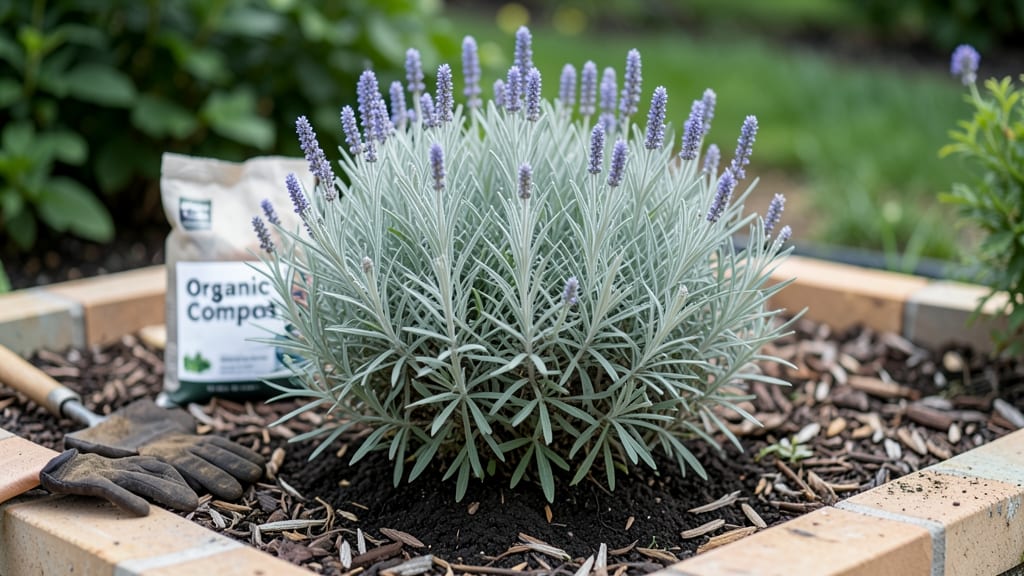
An 18-inch soil depth transforms your garden from a struggle to a thriving ecosystem. 🌱 Deep bed gardening gives roots room to stretch, keeping amaranth and kale productive while cutting back on weeds and watering.
I dug my first deep bed after years of compacted soil—now my plants grow twice as fast with half the effort. This method works for any garden, from veggie patches to flower beds.
You’ll need basic tools (a shovel, fork, and compost), a sunny spot, and a plan for bed dimensions. The key is building layers: coarse materials at the bottom for drainage, then nutrient-rich soil on top.
My first bed cost less than $50 in supplies and paid for itself in one harvest. What you’ll end up with is soil so rich it looks like dark chocolate. Plants resist drought, pests stay away, and you’ll spend less time fighting the garden. The aesthetic?
Clean lines, no more muddy rows, and a space that actually works for you. Perfect for beginners or anyone tired of traditional row gardening. Let’s get those roots running deep!
📚 In This Guide
- What you need
- Instructions
- Tips and common mistakes
- Wrapping up and next steps
What you need
- ● Cardboard or thick newspaper – 10-15 sheets (for weed suppression and moisture retention)
- ● Compost – 4-6 cubic feet per 4’x8’ bed (high-quality, well-aged)
- ● Topsoil or garden soil – 2-3 cubic feet per 4’x8’ bed (loamy, nutrient-rich)
- ● Straw or wood chips – 2-3 cubic feet per bed (for mulching and erosion control)
- ● Organic fertilizer – 1-2 lbs per 4’x8’ bed (balanced, like 5-5-5 or compost tea)
- ○ Lime or wood ash – Optional, 1-2 lbs per bed (if soil pH is acidic, aim for 6.0-7.0)
- ● Garden fork – 1 (for aerating and mixing soil)
- ● Shovel – 1 (round-point or spade)
- ● Rake – 1 (bow rake for leveling)
- ● Wheelbarrow – 1 (for hauling materials)
- ● Garden gloves – 1 pair (heavy-duty, waterproof)
- ● Measuring tape – 1 (to ensure 18-inch depth)
- ● Watering can or hose with nozzle – 1 (for gentle hydration)
- ● Biochar – 1-2 lbs per bed (boosts soil structure and microbial life)
- ● Worm castings – 1-2 lbs per bed (extra nutrients for leafy greens)
- ● Drip irrigation kit – 1 (for efficient watering)
- ● Soil test kit – 1 (to fine-tune pH and nutrients)
- ● Row covers or shade cloth – 1 roll (protects young plants from pests)
Step-by-step guide to building an 18-Inch deep garden bed
Here’s how I create rich, root-friendly beds that give amaranth and kale the space they crave.
🪴 Step 1: Mark and Shape the Bed Layout
Use a garden hose or string to outline a 4-foot-wide by 8-foot-long rectangle—this size fits four plants spaced 18 inches apart. Amaranth and kale need room to spread, so avoid narrow beds. I like to place beds along fences or paths to maximize sunlight access.
Dig a trench along the outer edge with a spade, about 6 inches deep and 12 inches wide. This creates a natural border and prevents soil from spilling out later. For a cleaner look, I add landscape fabric to the trench edges before filling.
🌱 Step 2: Layer Soil for Maximum Depth
Start with a 6-inch layer of coarse wood chips or straw at the bottom for drainage—this prevents waterlogging, which kale and amaranth hate. Next, add 6 inches of compost (I use a mix of aged cow manure and leaf mold). This feeds roots deep into the soil profile.
Top with 6 inches of high-quality garden soil, blending in a handful of bone meal for phosphorus. Press each layer lightly with your boot to eliminate air pockets. The final depth should be 18 inches total—deep enough for amaranth’s taproot and kale’s sturdy stems.
☀️ Step 3: Plant and Mulch for Long-Term Health
Dig holes twice as wide as the root ball and place each plant so the top of the root ball sits ½ inch below soil level. Space amaranth 18 inches apart and kale 12 inches apart—they’ll fill the bed quickly. Water deeply right after planting to settle the soil around roots.
Cover the bed with 3 inches of straw mulch, leaving a 2-inch gap around stems. This keeps moisture even and blocks weeds. I add a slow-release fertilizer like worm castings every 6 weeks to maintain nutrients without overloading the soil.
💧 Step 4: Water and Maintain for Peak Growth
Water deeply 2-3 times per week until the top 4 inches of soil feel moist—not soggy. Amaranth and kale need consistent moisture, especially in dry spells. I use a soaker hose to avoid wetting leaves, which reduces disease risk.
Check soil depth monthly by pushing a 6-inch trowel into the bed. If the soil feels compacted, loosen it gently with a fork. Deep beds need occasional aeration to prevent root suffocation. Harvest leaves as needed, but leave the center stem intact to encourage bushier growth.
Tips & tricks for perfect deep garden beds
Took me a while to figure these out, so here's how I make deep garden beds that actually work without the headaches.
Drainage Layer: Don't skimp on that 6-inch layer of coarse wood chips or straw at the bottom. I learned this the hard way after my first bed turned into a swampy mess during heavy rains. The key is using materials that break down slowly—avoid fine mulch that compacts and clogs drainage. If you're in a particularly wet climate, consider adding a 1-inch layer of perlite or coarse sand mixed into the bottom layer for extra insurance.
Soil Layering: When pressing down each 6-inch layer with your boot, think of it like making a lasagna—each layer needs to bond with the one below. I press until the layer below is barely visible through the top layer. This creates a unified soil structure that won't settle unevenly over time. The bone meal in the top layer is non-negotiable for phosphorus—it's what gives your amaranth and kale that strong root development they need.
Planting Depth: That ½-inch below soil level for the root ball is crucial. I've seen gardeners bury plants too deep, which can cause rotting, and others plant too shallow, leaving them vulnerable to temperature swings. Use a level or the back of your trowel to check depth—when the top of the root ball is just below soil level, you're golden. This positioning also helps prevent stem rot while keeping roots cool and moist.
Mulch Maintenance: The 3 inches of straw mulch should stay intact for at least 3 months before you need to refresh it. Here's my trick: I save old straw from hay bales and store it in a dry place over winter. When spring comes, I can just spread it directly without worrying about weed seeds or decomposition. And that 2-inch gap around stems? Use a ruler to measure it—it makes all the difference in preventing stem rot while keeping moisture in.
Pro Tips for Deep Bed Gardening
- Took me a while to figure these out, so here's how I make deep garden beds that actually work without the headaches.
- Drainage Layer: Don't skimp on that 6-inch layer of coarse wood chips or straw at the bottom. I learned this the hard...
- Soil Layering: When pressing down each 6-inch layer with your boot, think of it like making a lasagna—each layer need...
Frequently asked questions
Got questions about deep bed gardening? You’re not alone! Here are some of the most common concerns—and straightforward answers—to help you dive in with confidence.
What’s the best depth for a deep bed, and why 18 inches?
An ideal deep bed is 18 inches deep because it mimics natural soil layers, giving roots (like amaranth and kale) plenty of space to grow. This depth also improves drainage, reduces weeds, and cuts watering time. Start with 12 inches if 18 feels overwhelming—just layer compost and organic matter well!
How long does it take to build a deep bed?
Building a deep bed takes 1–3 days, depending on size and materials. Break it into steps: clear the area, lay cardboard (or landscape fabric), add compost and soil layers, and top with mulch. Pro tip: Pre-mix compost and soil to speed up the process.
Will deep beds need more watering than raised beds?
Not necessarily! Deep beds retain moisture better due to organic matter, but they may dry out faster if topsoil is too sandy. Water deeply 2–3 times per week (or more in heatwaves) and mulch heavily to lock in moisture. A soil probe helps check depth—aim for dampness at 3–4 inches.
Can I use deep bed gardening in containers or small spaces?
If space is tight, try vertical deep beds (like stacked planters) or trenches (digging 12–18 inches deep in a row). For containers, use self-watering pots with deep roots (12+ inches) and fill with a mix of compost and potting soil. Just ensure proper drainage!
What if pests or weeds pop up in my deep bed?
Deep beds naturally suppress weeds (thanks to thick mulch), but occasional invaders happen. Pull weeds early, and use row covers or beneficial insects (like ladybugs) for pests. Avoid synthetic pesticides—they can harm soil microbes. A healthy bed = fewer problems!
Still curious? Drop your deep bed questions in the comments—we’re happy to help!
Wrapping up and next steps
Deep bed gardening is your ticket to bountiful, low-maintenance harvests—especially for root-run lovers like amaranth and kale! By amping up your soil depth to 18 inches, you’re giving plants the perfect foundation to thrive, with better drainage, fewer weeds, and fewer pests.
The effort pays off in healthier roots, bigger yields, and less backbreaking work for you.
Ready to transform your garden? Start small—try a single deep bed this season, track your progress, and let your success inspire bigger projects next year. Your future self (and your dinner plate) will thank you! 🌱✨