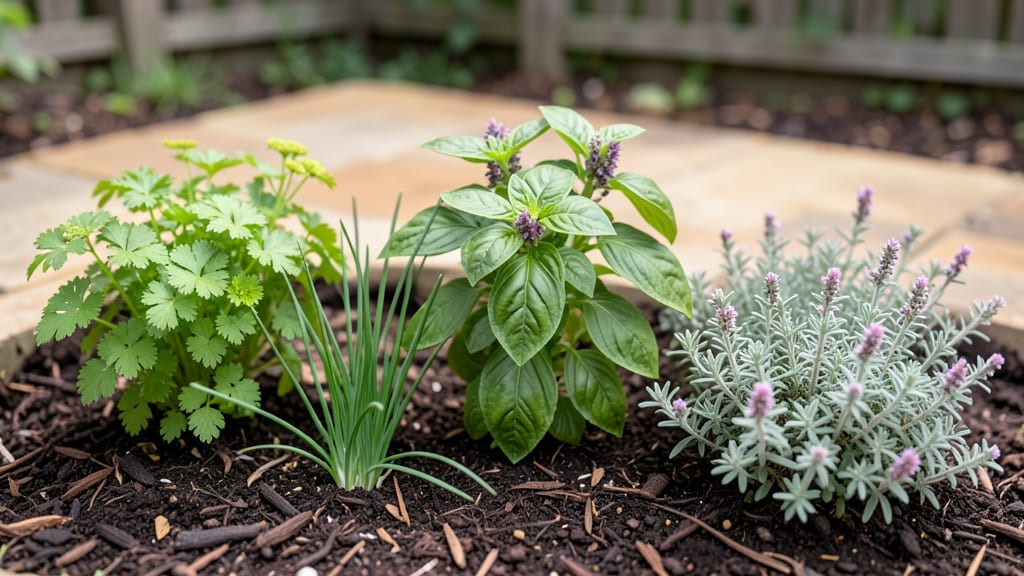
Buying guide: how to choose the right elevated garden bed on wheels
1. Mobility Features 🔄
A portable garden bed is only as good as its wheels. Look for locking caster wheels (2 swivel, 2 rigid) for easy maneuvering, especially if you’ll move it frequently. Swivel wheels make tight turns effortless, while rigid wheels provide stability on slopes.
Counter-intuitively, heavier beds (like steel frames) often roll smoother than lightweight plastic ones because they distribute weight evenly. If you’re dealing with uneven terrain, prioritize adjustable-height wheels or brake locks to prevent wobbling.
I recommend testing the wheels’ smoothness before buying—some budget models squeak or resist movement after a few uses.
2. Material Durability 🛡️
The right material depends on your climate and budget. Steel frames (galvanized or powder-coated) are the most durable but require more effort to move. Cedar wood offers natural resistance to rot and a premium look, though it needs occasional sealing. Plastic beds are lightweight and affordable but may fade or crack in extreme heat.
For humid climates, avoid untreated wood—it warps faster. If you’re in a rental, plastic or foldable steel beds are ideal because they’re easy to store and replace. Pro tip: Check if the liner is UV-resistant—cheap plastic liners degrade in sunlight within a season.
3. Growing Space vs. Portability ⚖️
Bigger isn’t always better. A 4x8 feet bed gives you maximum yield but can be cumbersome to move, while a 3x3 feet bed is lightweight and easy to relocate. For herbs and small veggies, a compact bed suffices.
For tomatoes, peppers, or cucumbers, opt for at least 4x4 feet. If space is tight, consider stackable or foldable designs—they save storage room when not in use. I’ve found that 10–12 inches height is ideal for easy planting and harvesting without straining your back.
Don’t overlook depth: deeper beds (12+ inches) are better for root crops like carrots.
4. Additional Features That Boost Functionality ✨
Look beyond the basics. Built-in trellises save space for climbing plants like beans or peas. Side tool pockets keep gloves and trowels handy, while removable liners make soil replacement a breeze. Some premium models include drainage holes and weather-resistant coatings—critical for longevity.
If you’re growing in a windy area, choose beds with low centers of gravity or weighted bases. For urban gardeners, LED grow lights (available on some premium beds) extend growing seasons. Always check if the bed includes assembly tools—some require screws or bolts not provided.
5. Budget Considerations 💰
Budget-friendly options start at entry-level pricing and are perfect for beginners or small gardens. Mid-range models offer the best balance of durability and features, while premium beds are a significant investment but include perks like cedar wood or built-in trellises.
Avoid the cheapest plastic beds—they often lack drainage and rust quickly. If you’re on a tight budget, prioritize foldable designs or second-hand steel frames (cleaned and inspected for rust). Remember: a slightly pricier bed with better wheels and liner will save you money long-term by lasting years.
Frequently asked questions
Q: Can I use an elevated garden bed on wheels in any outdoor space, like a balcony or driveway?
The beauty of an elevated garden bed on wheels is its versatility. Most models are designed for patios, balconies, driveways, or even grassy areas, as long as the surface is relatively flat. For uneven terrain, look for beds with adjustable-height wheels or brake locks to prevent wobbling. If you’re using it on pavement, ensure the wheels won’t scratch the surface—some premium models include protective wheel caps. Just avoid placing it on concrete without a drainage mat underneath to prevent water pooling.
Q: How do I choose the right size for my needs?
Size depends on your growing goals and space constraints. A 3x3 feet bed is perfect for herbs, lettuce, or small veggies and is ultra-portable, while a 4x8 feet bed offers maximum yield for tomatoes, peppers, or cucumbers. If you’re tight on space, opt for a foldable or stackable design. For root crops like carrots or potatoes, prioritize beds with 12+ inches of depth. I recommend starting small if you’re new to gardening—you can always expand later!
Q: How difficult is it to assemble and move an elevated garden bed on wheels?
Assembly varies by model, but most steel or plastic beds take 20–45 minutes with basic tools. Some budget-friendly options come pre-assembled, while heavy-duty steel frames may require two people. Moving them is a breeze—just lock the wheels if parked on a slope and use the handles or side grips for leverage. I’ve found that swivel wheels make tight turns effortless, but rigid wheels provide better stability for larger beds. Always check the weight capacity if you plan to load it with soil and plants.
Q: What’s the difference between steel, plastic, and cedar wood elevated garden beds?
Each material has pros and cons. Steel frames (galvanized or powder-coated) are the most durable and long-lasting, ideal for heavy-duty use but require more effort to move. Cedar wood offers a premium aesthetic and natural rot resistance but needs occasional sealing and isn’t as portable. Plastic beds are the most affordable and lightweight, perfect for renters, but may fade or crack in extreme heat. For humid climates, avoid untreated wood—it warps faster. If you’re in a rental, plastic or foldable steel beds are the best choices.
Q: How do I prevent my elevated garden bed from tipping over in windy conditions?
Wind can be a challenge, but a few tweaks make a big difference. First, ensure your bed has a low center of gravity—fill it with soil before planting to weigh it down. Use brake locks on the wheels if available, and consider adding sandbags or weights to the corners. For wind-prone areas, choose a bed with a wide base or reinforced frame. I also recommend positioning it against a wall, fence, or sturdy structure for extra stability. Avoid placing it on high ground where wind speeds increase.
Q: Are elevated garden beds on wheels worth the investment compared to stationary raised beds?
if you value flexibility and space optimization. A portable bed lets you rotate crops for better sunlight, store it out of the way during harsh weather, or move it to follow the sun. Stationary beds lack this mobility. For urban gardeners or renters, the ability to fold, stack, or relocate the bed is a game-changer. While premium models cost more upfront, they pay off in long-term convenience and soil health—you can easily replace depleted soil or move the bed to a new spot every season. If you’re growing in a small space, the mobility alone justifies the investment.
Q: How long do elevated garden beds on wheels typically last, and how do I extend their lifespan?
With proper care, a high-quality elevated garden bed on wheels can last 5–10 years or more. Steel frames (especially galvanized or powder-coated) resist rust, while cedar wood lasts longer than untreated lumber if sealed annually. Plastic beds may degrade faster in extreme sun—opt for UV-resistant materials. To extend lifespan, avoid sharp tools that puncture liners, clean the frame regularly, and store it in a dry place during winter. Replace the liner every 2–3 years to prevent root rot. I’ve seen beds last over a decade with minimal maintenance—just keep an eye on wheel wear and frame integrity.